


Acceda a la base de datos First Foods® en Solid Starts App.
Leer másFennel Seed
Hierba/Especia
Sugerencia de edades
6 meses
Alto contenido de hierro
No
Alérgeno común
No
When can babies have fennel seed?
Fennel seed may be introduced as soon as baby is ready to start solids, which is generally around 6 months of age.
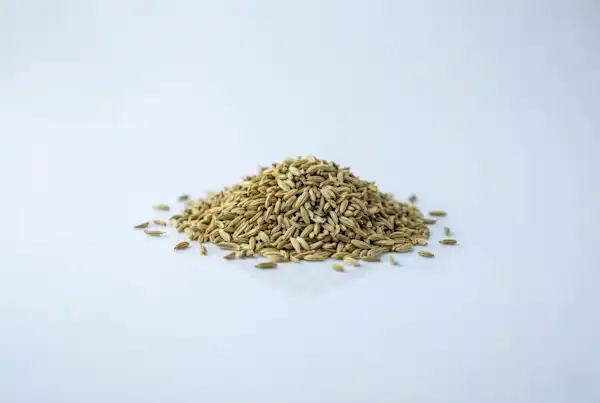
What are commonly known as fennel seeds or saunf, among other names, are actually the fruits of the fennel plant and have been used for centuries across the Mediterranean, South and Southwest Asia, and parts of East Africa. Known for their sweet, licorice-like flavor, fennel seeds appear in breads, spice blends such as Chinese five spice powder, pickles, teas, sausages, and more. Fennel seeds’ fresh, slightly sweet taste has also led to their use as a breath freshener in cultures around the world.
How do you serve fennel seed to babies?
Cada bebé se desarrolla a su propio ritmo, y las sugerencias que ofrecemos sobre cómo cortar o preparar determinados alimentos son generalizaciones para una amplia audiencia.
6 months old +:
Sprinkle small amounts of powdered fennel seed–either on its own or as part of a spice blend–on age-appropriate foods like cooked vegetables, a chicken drumstick, lentils, or yogurt. Alternatively, use fennel seed (ground or whole seeds) to season family meals to share with baby. It’s fine to serve whole fennel seeds to baby as long as they are part of a mixed dish, like a sauce or soup or stew. Avoid sharing loose, dry fennel seeds due to increased choking risk.
12 months old +:
Cook with fennel seed (powdered, as part of a spice blend, or whole seeds) as desired in the child’s meals. Use fennel seed in combination with other ingredients to create flavorful sauces, pickles, marinades, spice rubs, and much more.
24 months old +:
Continue to serve fennel seeds mixed into shared meals, sauces, and baked goods. At this age, if the child is chewing food thoroughly and not shoveling food in the mouth, you can try offering a small amount of loose fennel seeds or mukhwas after a meal as a breath freshener, if that is something the family enjoys. Make sure the child is safely seated and supervised while chewing loose fennel seeds or mukhwas, and check to see that the child’s mouth is clear before they get up and walk around.
Is fennel seed a choking hazard for babies?
Yes. Fennel seeds are small and firm, and sometimes are eaten loose and dry, which are qualities that pose an increased risk of choking. To reduce the risk, prepare and serve fennel seed in an age-appropriate way as described in How to Serve. As always, create a safe eating environment and stay within reach of baby during meals.
Learn the signs of choking and more about choking first aid in our free guides, Infant Rescue and Toddler Rescue.
Is fennel seed a common allergen?
No. Allergies to fennel seed are rare, but reactions have been reported. Ingestion, inhalation, and topical exposure to fennel seed and its essential oils have been associated with allergic reactions in certain individuals. Note that certain spice blends that feature fennel seed may contain common food allergens, so make sure to read labels thoroughly if your child has food allergies.
Individuals with Oral Allergy Syndrome (also known as pollen food allergy syndrome), particularly those who are allergic to birch or mugwort pollen, sensitive to foods within the Apiaceae family (such as carrot and celery), or sensitive to hazelnut or stone fruits such as apples or peaches, may also be sensitive to fennel. Oral Allergy Syndrome typically results in short-lived itching, tingling, or burning in the mouth and is unlikely to result in a dangerous reaction. Cooking fennel seed can help minimize the reaction.
Spices such as fennel seed can also cause symptoms that resemble allergic reactions. For example, inhaling a puff of powdered fennel seed can irritate the nasal passageways and trigger sneezing and coughing, but may not be triggered by an allergic reaction. Additionally, certain spices, like fennel seed, may cause contact rashes due to potentially skin-irritating components in the food, but not necessarily due to an allergy.
Foods seasoned with spices like fennel seed may cause a harmless rash around the mouth while baby eats or may cause or worsen diaper rash. Try applying a thin layer of barrier cream or ointment—such as pure petroleum jelly or a plant-based oil/wax balm—to baby’s face and diaper area to help prevent contact rashes.
Is fennel seed safe for babies?
Yes, fennel seed is generally recognized as safe when used in amounts typical in cooking. Fennel seed essential oil, on the other hand, should be avoided as its safety has not been sufficiently studied in children.
Is fennel seed healthy for babies?
Yes. Fennel seed offers small amounts of a variety of vitamins, minerals like iron and calcium, and fiber. It also contains a number of plant compounds like polyphenols with anti-inflammatory and antioxidant properties and aromatics like anethole and kaempferol. Plus, fennel seed may help promote oral and digestive health.
When can children have sugar-coated fennel seeds (mukhwas)?
Because mukhwas are firm in texture and difficult to chew, we recommend waiting to introduce them until a child is at least 2 years old and has mature chewing skills. Sugar-coated fennel seeds are often used in a variety of mukhwas, a common after-meal treat in South Asian cultures, to freshen the breath and aid digestion. While small in size, fennel mukhwas are a choking hazard and require skilled chewing, so introduce to toddlers with caution. Since they are typically consumed in small amounts, the small amounts of added sugar are fine on occasion for a toddler or young child.
Can babies and toddlers have fennel tea?
While an occasional sip of fennel tea is okay, generally speaking, wait until after the child’s first birthday to serve fennel tea and only offer in moderation. During the first year of life, breast milk and formula are the primary sources of nutrition for babies, and tea and other drinks can take up space in the belly, which may decrease motivation to try other foods at mealtime.
Nuestro equipo
Escrito por

Dr. Sakina Bajowala
Pediatra general y alergóloga/inmunóloga

Kim Grenawitzke
Terapeuta ocupacional pediátrica(o), especialista en alimentación y deglución, y consultora de lactancia certificada por la junta internacional

Venus Kalami
Nutricionista y dietista pediátrico(a) registrada
Consejos de expertos directo a tu bandeja de entrada
¡Suscríbete y recibe correos semanales con recetas, consejos y más!




Copyright © 2026 • Solid Starts Inc