
Caraway
Hierba/Especia
- Edad sugerida
- 6 meses
- Rico en hierro
- No
- Alérgeno común
- No
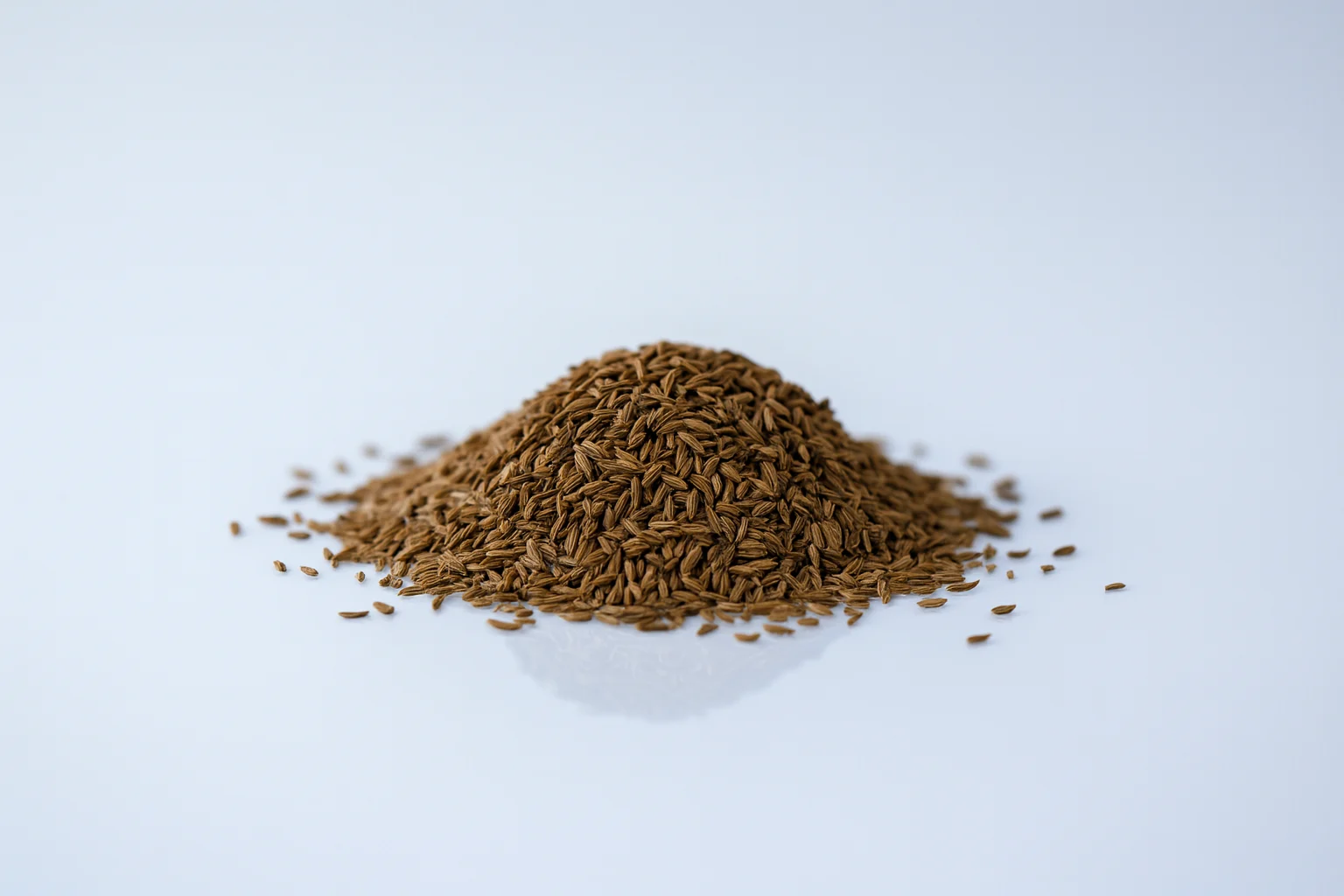
When can babies have caraway?
Caraway may be introduced as soon as baby is ready to start solids, which is generally around 6 months of age.
Caraway is the dried fruit (often called a seed) from the same plant family as fennel, coriander, and cumin. Cultivated for thousands of years in Europe, North Africa, and Western Asia, caraway has long been valued for its earthy, slightly sweet, and anise-like flavor. It is a signature seasoning in breads, cheeses, sauerkraut, sausages, and more.
How do you serve caraway to babies?
Cada bebé se desarrolla a su propio ritmo, y las sugerencias que ofrecemos sobre cómo cortar o preparar determinados alimentos son generalizaciones para una amplia audiencia.
6 months old +:
Sprinkle small amounts of ground caraway on age-appropriate foods like cooked sweet potato or yogurt. Alternatively, use caraway (ground or whole seeds) to flavor breads or season sauces, stews, and other dishes to share with baby.
12 months old +:
Cook with caraway (ground or whole seeds) as desired in the child’s meals. Use caraway in combination with other ingredients to create flavorful breads, sauces, marinades, spice rubs, and much more.
Is caraway a choking hazard for babies?
No. Caraway presents a low risk when safely prepared for a child’s age and developmental ability, though, in theory, an individual could choke on any food. To reduce the risk, prepare and serve caraway in an age-appropriate way as described in the How to Serve section. As always, create a safe eating environment and stay within reach of baby during meals.
Learn the signs of choking and more about choking first aid in our free guides, Infant Rescue and Toddler Rescue.
Is caraway a common allergen?
No. Allergies to caraway are rare, but have been reported.[1] [2] Note that certain spice blends that feature caraway may contain common food allergens, so make sure to read labels thoroughly if your child has food allergies.
Oral Allergy Syndrome (also known as pollen food allergy syndrome), particularly those who are allergic to birch or mugwort pollen and/or sensitive to foods within the Apiaceae family (such as carrot, celery, coriander, cumin, dill, and fennel), may also be sensitive to caraway.[3] [4] Oral Allergy Syndrome typically results in short-lived itching, tingling, or burning in the mouth and is unlikely to result in a dangerous reaction. Cooking caraway can help minimize the reaction.[5] [6]
That said, spices can also cause reactions similar to allergic symptoms. For example, inhaling a puff of ground caraway can irritate the nasal passageways and trigger sneezing and coughing, but may not be triggered by an allergic reaction.[7] Spicy foods may also cause a harmless rash around the mouth while baby eats or may cause or worsen diaper rash. Try applying a thin layer of barrier cream or ointment—such as pure petroleum jelly or a plant-based oil/wax balm—to baby’s face and bottom before the meal to help prevent contact rashes.
Is caraway healthy for babies?
Yes. Caraway offers small amounts of a variety of vitamins, minerals like calcium, and fiber. It also contains a number of plant compounds that may offer anti-inflammatory, antimicrobial, antioxidant, and anticancer effects.[8] [9] [10] Cooking foods with caraway may even help boost iron absorption from foods, although more research is needed.[11]
Avoid caraway oil, as limited research is available on its safety for babies.
Is caraway the same as cumin?
No. While caraway and cumin look similar and come from the same plant family, they differ in flavor. Caraway has a sweeter, slightly anise-like taste, while cumin is earthier and spicier.

Material de referencia
Start solids with confidence
- Guided Introduction to 100+ Foods
- Smart Tools to Simplify Mealtime
- Food Allergen 101
- 300+ Meal Ideas
- First Foods® Database

Start solids with confidence
- Guided Introduction to 100+ Foods
- Smart Tools to Simplify Mealtime
- Food Allergen 101
- 300+ Meal Ideas
- First Foods® Database
Consejos de expertos directo en tu correo
Suscríbete para recibir consejos semanales, recetas y más.