


Acceda a la base de datos First Foods® en Solid Starts App.
Leer másCapers
Flor
Sugerencia de edades
6 meses
Alto contenido de hierro
No
Alérgeno común
No
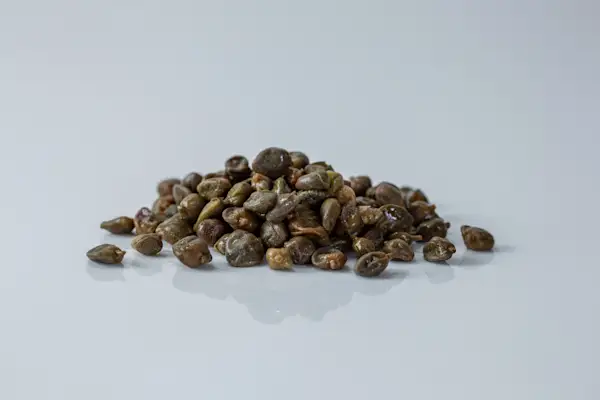
When can babies have capers?
Capers may be introduced as soon as baby is ready to start solids, which is generally around 6 months of age. While capers are typically high in sodium, they are often used in small amounts in cooking, and a taste here and there of a dish containing capers is fine as part of a varied diet.
Capers have been gathered and enjoyed in the Mediterranean for thousands of years, with references dating back to ancient Greece and Rome. Harvested by hand from the caper bush, capers are actually small flower buds that are traditionally pickled or cured in salt. Capers remain an essential ingredient throughout their native region, lending brightness to dishes like Sicilian pasta puttanesca, Greek salads, Spanish tapas, and Tunisian stews.
How do you serve capers to babies?
Cada bebé se desarrolla a su propio ritmo, y las sugerencias que ofrecemos sobre cómo cortar o preparar determinados alimentos son generalizaciones para una amplia audiencia.
6 months old +:
If the family is having a dish that contains capers, finely chop or flatten the capers in baby’s portion before serving to reduce the choking risk. Alternatively, blend capers into sauces or dressings.
9 months old +:
Continue to serve flattened or chopped capers that have been mixed into shared meals. Or, if you’d like baby to experience the briny flavor of the capers on their own, gently flatten each one and place a few on the tray or table for baby to pick up with their developing pincer grasp.
12 months old +:
At this age, most children should be ready to handle whole, unmodified capers in a dish or on their own. Serve capers in pasta, in a sauce for chicken, in yogurt dip, and much more.
Videos
Are capers a choking hazard for babies?
Yes. Capers are small, round, and can be firm, which are qualities that increase the risk of choking. To reduce the risk, prepare and serve capers in an age-appropriate way as described in the How to Serve section. As always, create a safe eating environment and stay within reach of baby during meals.
Learn the signs of choking and more about choking first aid in our free guides, Infant Rescue and Toddler Rescue.
Are capers a common allergen?
No. Capers are not a common allergen, although allergic reactions to capers have been reported.
Are capers healthy for babies?
Yes. While typically used in small amounts in cooking, capers offer a bit of fiber, vitamin K, flavonoids, and phenolic acids which help support digestive health and blood clotting, while also offering anti-inflammatory and antioxidant properties to support the body’s overall resiliency.
While capers are high in sodium, it is fine to share them in moderation as part of a varied diet. Capers are often used in small amounts and the amount of food that babies eat tends to be low as they learn the skills to feed themselves. Furthermore, sharing family meals, even if they contain salt, has its benefits: baby has opportunities to explore a wider variety of food, share their family food culture, and practice eating a variety of textures.
Are capers too salty for babies?
While capers are high in sodium, it is fine to share them in moderation as part of a varied diet. Capers are often used in small amounts and the amount of food that babies eat tends to be low as they learn the skills to feed themselves. Furthermore, sharing family meals, even if they contain salt, has its benefits: baby has opportunities to explore a wider variety of food, share their family food culture, and practice eating a variety of textures.
Nuestro equipo
Escrito por

Dr. Sakina Bajowala
Pediatra general y alergóloga/inmunóloga

Kim Grenawitzke
Terapeuta ocupacional pediátrica(o), especialista en alimentación y deglución, y consultora de lactancia certificada por la junta internacional

Venus Kalami
Nutricionista y dietista pediátrico(a) registrada
Consejos de expertos directo a tu bandeja de entrada
¡Suscríbete y recibe correos semanales con recetas, consejos y más!




Copyright © 2026 • Solid Starts Inc