Travel Food and Snacks for Baby
Puntos clave
Not all travel-friendly foods and snacks need refrigeration
Shelf-stable options like thin rice cakes, nut butter squeeze packs, and instant oatmeal are some of the most practical foods to bring along—no cooler required.
With perishable food, follow the two-hour rule or pack it on ice
Cheese, hummus, cut-up vegetables, berries, and other food that requires refrigeration should be discarded if it has been left out (or without a cold source) for more than two hours.
Baby can usually eat a version of what you eat when traveling
From restaurant side dishes to snacks you're already packing for yourself, many everyday foods are suitable for babies starting solids—it's mostly about how they're cut, prepared, and served.
Solid food meals with baby take a little more planning when you’re traveling together—but they don’t have to be hard. The pediatric pros at Solid Starts share their favorite travel-friendly foods and snacks for babies by age.
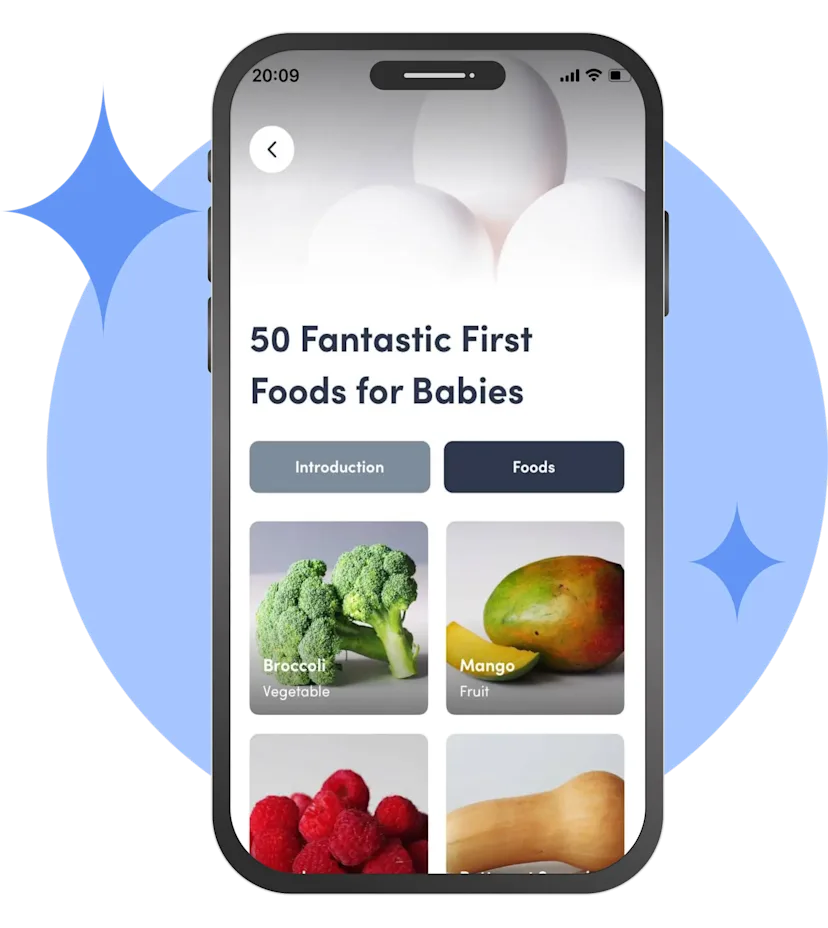
The Solid Starts App can help you and your baby get ready for starting solids. Get started >
Tips for Travel Feeding
At home, you have your rhythm: a stocked fridge, a high chair, a familiar routine. When you’re on the move, your feeding routine changes. Whether you’re on the road or in the air, mealtimes happen at irregular times, fresh food is harder to find, and keeping things cold requires some advanced planning.
A few things to keep in mind before you pack:
Routine disruption is normal—and temporary. Babies often eat less or act fussier when their schedule is off. This is not a sign that something is wrong.
Baby can eat what you're eating. A ripe banana from your bag, a strip of soft cheese from a charcuterie snack pack, or well-cooked pasta from your restaurant order are fantastic choices.
Fresh food access can be limited. Most airports, rest stops, and hotel rooms are not set up for baby feeding. Bringing your own supply from home— especially shelf-stable staples—can take some of the pressure off.
The two-hour rule applies everywhere. Perishable food (including expressed breast milk, formula, opened pouches, cut-up vegetables, any food made with dairy, meat, eggs, or cooked grains) should not sit out for more than two hours without a cold source. This is especially important in warm weather or when you're in transit.
Don’t forget your feeding gear. It’s not just the meals that you need to plan. You also need ice packs, serving utensils, wipes, and more. Our baby travel essential packing lists can help.
Travel Foods by Age
Age | What to Serve |
|---|---|
0–5 months | Breast milk or formula only. No solid food is needed or recommended. Focus on packing feeding supplies like bottles, formula storage, or your pumping set-up. Our breastfeeding and bottle-feeding packing lists can help. |
6–8 months | Breast milk or formula is your first choice. It’s okay to pause on solid food and focus on nursing or bottle feeds, especially for short trips. If you want to keep up your routine, choose foods for travel days that are easy to prepare and less messy. When you get to your destination, you can stock up on more foods to share. For finger foods on travel days, we love cucumber and hummus, cheese, thin rice cakes, and other low mess foods that are not too juicy or sticky. It also helps if they are big and firm enough to hold together as baby practices eating. Avoid foods that crumble and stick like loose grains. They’re great for teaching baby what wet, sticky, and grainy feels like, but only when you have time to deal with cleanup. For mashes and purees, pouches are a great choice but they’re not the only option. You can mash soft, ready-to-eat foods like avocado, banana, and ripe fruit. Letting baby scoop these foods tends to get messy, so this is a great time to use responsive spoon-feeding techniques. Just pre-load a spoon, hold it within their reach, and let them lean in and grab it. |
9–11 months | Breast milk and formula are still primary, but solid foods matter, too. At this age, babies need lots of practice eating a variety of solid foods. They’re also able to eat bite-sized pieces of food, which opens up more options for travel-friendly snacks on travel days. To keep the mess to a minimum, we love thinly-sliced apple, plain pasta, cubed tofu, whole beans, and of course, cereal that softens upon contact with saliva, like cheerios. |
12–24 months | Toddlers can eat what you’re eating. It’s easier to serve what you plan to eat on your travel days. Most toddlers are capable of eating lots of different textures and a wide range of foods, so choose foods that you like to eat on the go and that are low mess. |
Best Travel Snacks for Baby
On travel days, stick to foods that you already know baby tolerates. You can pause the introduction of new foods (including new common food allergens) until you arrive at your destination or return home.
Dry and Shelf-Stable Snacks
These are your best friends on travel days. No refrigeration needed, and they pack easily in a bag or personal item.
Thin rice cakes. Dissolve well, great canvas for mashes/spreads, easy to hold
Nut butter squeeze packs. Easy to spread on a thin rice cake or offer on a spoon
Instant oatmeal packets. Just add hot water from a coffee shop or a flight attendant
Cheerios and puffs. Low mess and perfect for pincer grasp practice
Pancake, waffle, muffin. Batch-bake before your trip and pack in an airtight container
Energy balls. Deeply nutritious, flavorful, and shareable
Pouches. Convenient, no refrigeration needed until opened, and ready for carry-on *
* In most countries, baby food pouches are allowed in carry-on luggage in quantities over 3.4 fluid ounces (100 mL). Just notify security officers before the security checkpoint; they may screen the items, which is routine and not a problem. Check out more tips for feeding when flying with baby.
Fresh Snacks
These foods have a shorter shelf-life at room temperature, but they are worth packing on your travel days. You can prep the food before you leave home, or grab them from a grocery store or market along the way… just remember to bring an insulated bag with an ice pack to keep them fresh on trips lasting more than two hours.
Applesauce Cups. Easy to pack, fantastic for preloading on a spoon
Bagel or English Muffin. Toast in advance and add your favorite spread
Canned beans. High in fiber and protein and perfect for pincer grasp practice
Cheese. Semi-firm cheeses like cheddar, swiss, monterey jack, and paneer are less likely to make a mess than soft cheese like brie, goat cheese, or ricotta
Cottage Cheese or Hummus Cups. Perfect for sharing and dipping finger food
Egg Cups or Strips. Low mess, nutritious, and perfect for sharing
Firm or Extra-Firm Tofu. Protein-rich food that can be eaten raw or cooked
Fruit. Choose fruits that are easy to pack, quick to prepare, and less likely to smush and stick. Our favorites: banana, blueberries, orange, sliced apple or pear
Meatballs. Easy to dip in an applesauce or yogurt cup
Pasta. Plain pasta minimizes the mess but you can dress up with oil or sauce
Vegetables. Go for sturdier vegetables that are less likely to smush and stick, like bell pepper, broccoli, celery, cucumber, or green bean
Yogurt Cups. A great source of protein and calcium and easy to share
High-Risk Food When Traveling with Baby
Some foods are best to avoid for baby due to safety and choking risk, and this does not change while traveling. A few foods to avoid that you are likely to encounter on-the-go:
Round, firm foods. Grapes, cherry tomatoes, string cheese, and whole nuts are choking hazards. If you want to serve them, cut them for baby’s age and stage of development.
Honey. The risk of infant botulism for babies under 12 months of age does not go away during travel. This includes honey in baked goods, sauces, and granola bars.
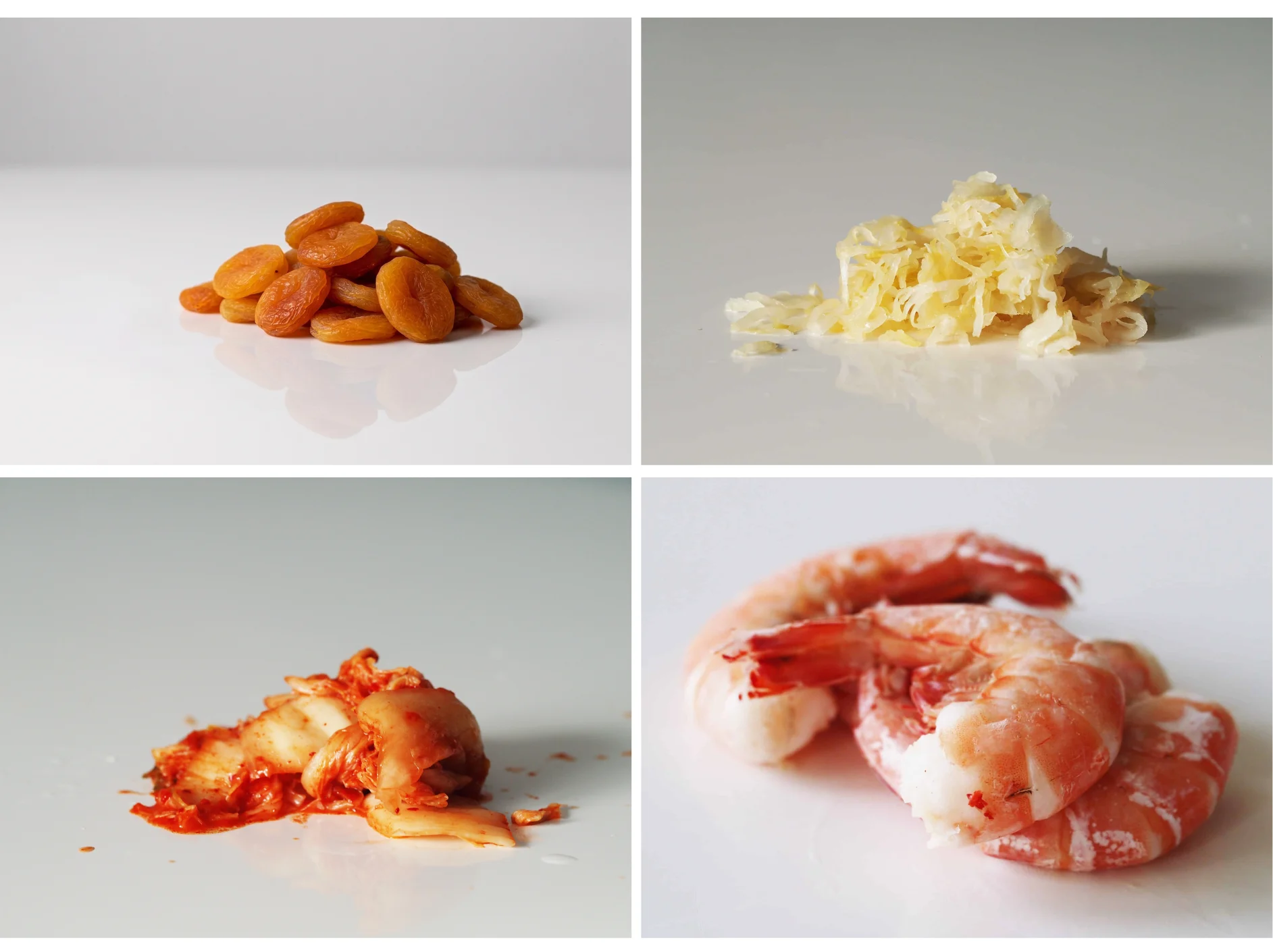
Shellfish. While you may choose to introduce shellfish to your baby at home, it’s important to be aware that if you are traveling in a region where shellfish safety standards are less predictable, it's wise to skip it—both for baby and for yourself.
Raw or rare animal proteins. There is no age at which eating raw fish or rare meat is without risk. Best to wait until you are home and make the decision on whether or when to serve in the context of your child.
Sprouts. They’re associated with an increased risk of foodborne illness. If you want to serve them, make sure they are cooked, not raw.
Unpasteurized (raw) dairy. The immune systems in babies and toddlers are still developing, and they can be especially susceptible to foodborne illness in raw milk or raw cheese.
Food Safety While Traveling
The same food safety principles that apply at home apply on the road—they just require a bit more intentionality when you're away from your kitchen.
✔ Keep perishables cold
A small insulated bag with an ice pack is one of the most useful things you can bring. Dairy, cooked foods, and open pouches should stay at or below 40 F (4 C) before mealtime.
✔ Discard food after two hours
When in doubt, throw it out. Any food that has been left out for more than two hours is potentially unsafe. In hot weather (above 90 F / 32 C), that window shrinks to one hour.
✔ Do not re-refrigerate food that has already been served
Once you've spooned food from a jar or pouch into a bowl or directly to baby, that food should not go back into the container or the cooler. Bacteria from baby's saliva can multiply rapidly even in cold conditions.
✔ Do not feed baby in a moving vehicle
This is a choking safety rule, not just a preference. If baby needs to eat, pull over and stop the car. The same principles for how to create safe eating environments apply in other moving vehicles where you are unable to respond quickly to a choking emergency.
Start solids with confidence
- Guided Introduction to 100+ Foods
- Smart Tools to Simplify Mealtime
- Food Allergen 101
- 300+ Meal Ideas
- First Foods® Database
Start solids with confidence
- Guided Introduction to 100+ Foods
- Smart Tools to Simplify Mealtime
- Food Allergen 101
- 300+ Meal Ideas
- First Foods® Database