Can Babies Eat Chicken Nuggets?
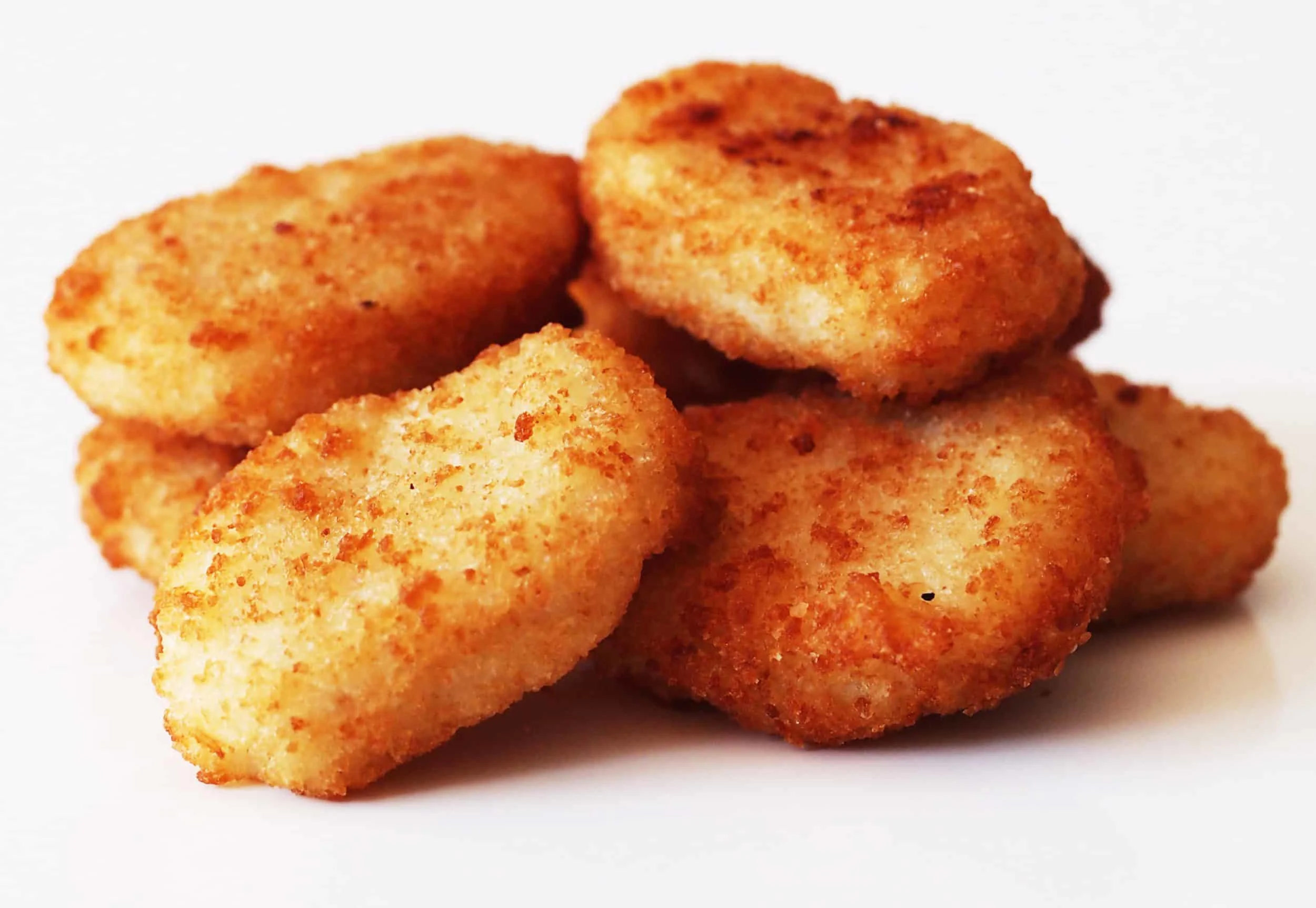
Yes, babies can have an occasional chicken nugget. Learn how to modify nuggets to lower the risk of choking and when toddlers can eat a whole one.
Key Points
An occasional chicken nugget is fine for babies
Chicken nuggets tend to be high in sodium, and babies and toddlers need only a very small amount. An occasional nugget as part of a varied diet is okay, but it's best kept as a once-in-a-while food rather than a regular one.
Remove the crunchy coating for babies starting solids
Around 6 months of age, a crispy coating is hard to bite and chew, which raises the risk of choking. Soft coatings tend to pose a lower risk.
Wait for mature eating skills before offering a whole nugget
Some toddlers are ready for a whole, coated nugget around 24 months old, while others need more time. When the child seems ready, model how to take bites, then let the toddler try.
Can babies eat chicken nuggets?
Yes. While chicken nuggets are typically high in sodium, an occasional taste is fine as long as they are modified to reduce choking risk. For babies starting solids around 6 months of age, remove the crunchy coating, which is crispy and challenging to bite and chew, qualities that increase the risk of choking. If the coating is soft, the risk is low, although you can scrape off the coating if you prefer.
Once baby shows signs of a developing pincer grasp (where the thumb and pointer finger meet), tear the chicken nugget (crunchy coating removed) into bite-sized pieces for the child to practice picking up.
You can offer a whole chicken nugget with the coating once the child has plenty of practice chewing and managing crispy foods. Some toddlers may be ready around the 2nd birthday, while others will need more time to practice. Once you feel the toddler has gained mature eating skills and they are able to sit calmly and follow directions, offer a whole chicken nugget and explain how to eat it by modeling how it's done. Consider chewing slowly with your mouth open as you show how to use your teeth to break down the food, then offer one for the toddler to try.
★ Tip: Worried about sodium? Remember: the amount of sodium that babies eat tends to be low as they learn the skills to feed themselves, and some sodium in the diet helps support baby’s electrolyte balance, hydration, and movement. Food with a little sodium is fine as part of a balanced diet. Learn more about sodium in food for babies.
Start solids with confidence
- Guided Introduction to 100+ Foods
- Smart Tools to Simplify Mealtime
- Food Allergen 101
- 300+ Meal Ideas
- First Foods® Database
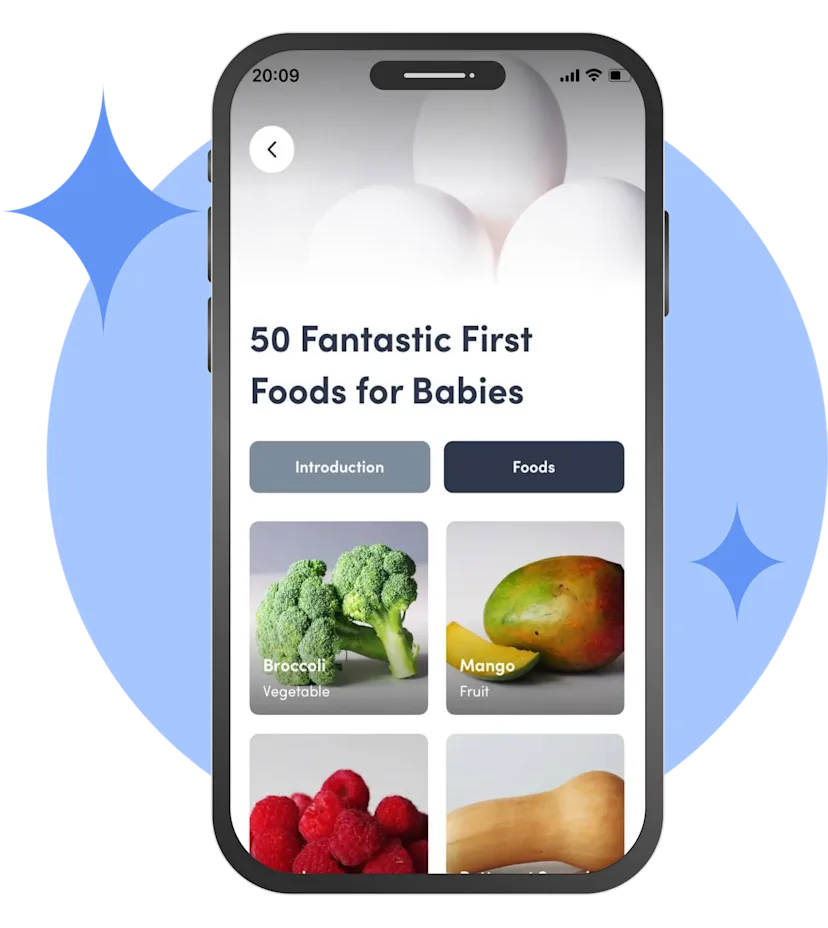
Start solids with confidence
- Guided Introduction to 100+ Foods
- Smart Tools to Simplify Mealtime
- Food Allergen 101
- 300+ Meal Ideas
- First Foods® Database