Baby Spitting Food Out?
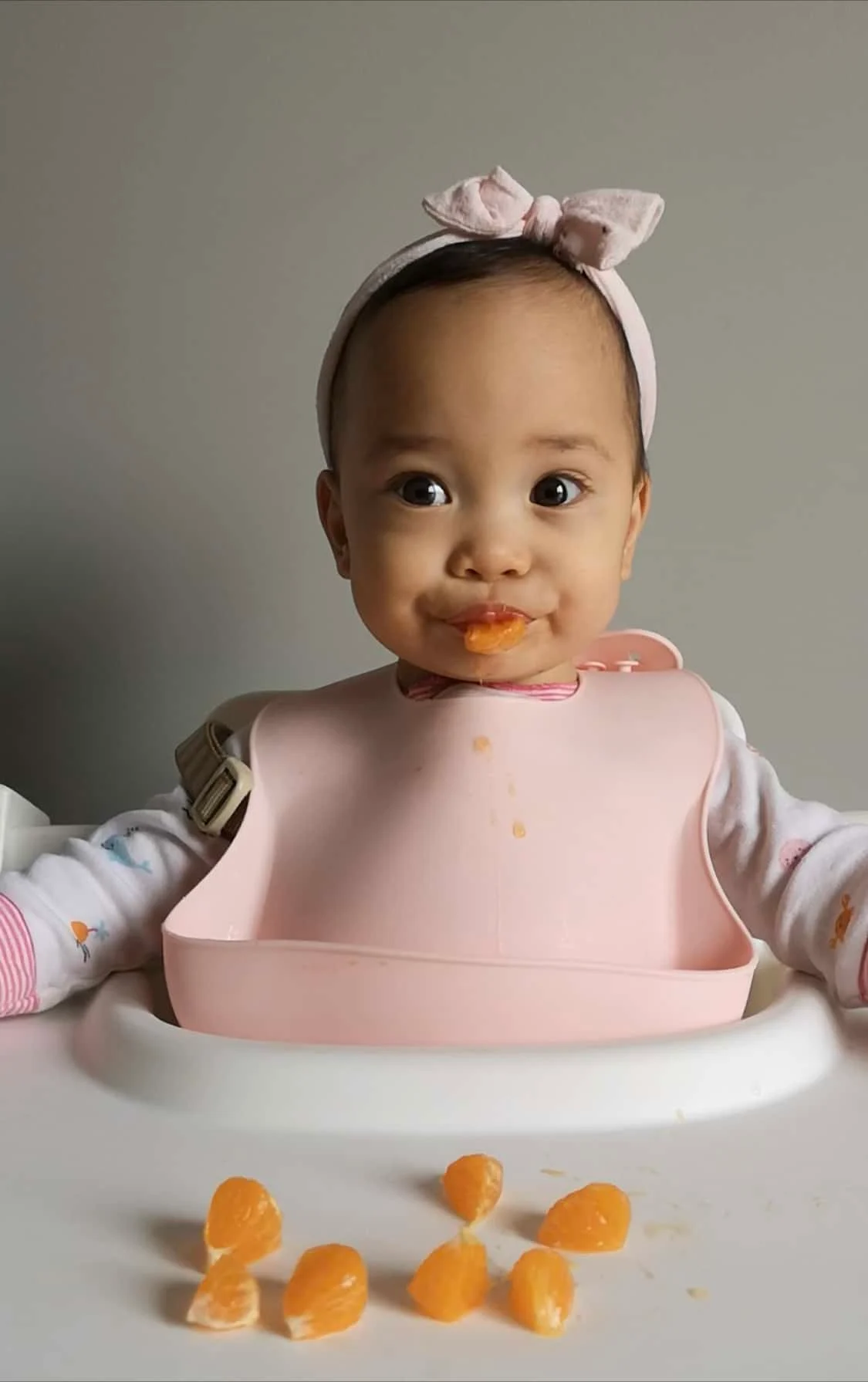
For the majority of typically developing babies and toddlers, spitting is not only totally normal—but a necessary part of learning to eat.
Key Points
Spitting out food is expected as babies learn to eat solid food
Spitting food out isn’t a sign baby doesn’t like food. It’s a normal behavior for most babies, and it’s a big part of learning how to manage different food shapes and textures.
Try to stay calm and avoid showing disgust or disapproval
When baby spits out food, big reactions from adults can get in the way of learning. Instead of reacting with big feelings, let them explore the food they spit out. They may try to put it back in their mouth—and that's a good thing!
Babies usually stop spitting food out after a few months
Spitting happens less and then stops altogether as baby learns to chew food enough so it can be swallowed. Let them go at their own pace, and trust that the spitting phase will pass. One of the best ways to help them learn is by eating alongside them to model how to bite and chew food.
Why is my baby spitting food out?
Watching your baby take bites of food only to see it fall back out of their mouth can be frustrating and nerve-wracking! Is baby getting enough to eat? Are they unable to swallow? Are they a picky eater?
Well, we have good news: For the majority of typically developing babies and toddlers, spitting is not only totally normal—but a necessary part of learning to eat. And for babies, it rarely means they didn’t like the food.
It’s more than simply chewing & swallowing
When it comes to learning to chew and swallow, babies have a TON of skills to practice and acquire. First, the baby needs to identify the food on their plate. Next, they visually engage with the food. Then they need to know how to reach for and grasp the food. And lastly, they need the hand-eye coordination and motor planning skills to get the food accurately to their mouth (or at least some of it!). The magic happens once the food is in their mouth.
Once your baby has successfully brought food to their mouth there’s quite a bit of action that needs to take place before they can swallow it. Babies are born with oral reflexes to learn to chew and swallow, but mature chewing requires a lot of motor skills, including moving the tongue, keeping the food on the side of the mouth for chewing, moving the jaw up and down to break down the food, and then finally, transitioning the food back to the center of the tongue and backward to swallow. Which is a lot of work!
Beyond the oral motor skills required to chew and swallow food, mature chewing also requires sensory awareness. Baby needs to learn where the food is in their mouth, how the tongue moves the food, and where do they want the food to go.
Learn by doing — and seeing!
Infants learn through connecting movement with touch and sight. Sometimes babies need visual feedback to better learn how to move food and where it is in their mouth, plus where it’s going. This is what’s happening when babies spit food!
Infants and young toddlers (before 18 months) will attempt to chew food and spit out partially-chewed food. This occurs for two reasons:
Visual Inspecting: The child needs to SEE if the food is chewed thoroughly before swallowing.
Motor Planning Mistake: The child simply hasn’t learned the boundaries of their mouth where the food moves out of the mouth rather than sideways or backward for swallowing.
By visually seeing and touching the food they’ve spit out, babies are learning about chewing. Often, kiddos will spit out the food, visually inspect it, and put it right back in their mouths! Try to let them do this and not to show any disgust—it’s just one way to solidify chewing skills!
What to do when your baby spits out food
Now that you know why your baby or toddler may be spitting out food, let’s chat about what to do. The easiest answer? Let it be! Try not to intervene or show disapproval. Your child is doing exactly what they should be to learn how to chew thoroughly.
In fact, take advantage of your baby spitting out food. Talk to them about what they are doing. For example: “Wow! Looks like you have a big bite in your mouth. Was it too much? Looks like that big bite was too much for your mouth, and you had to spit it out.” Or, “Wow! You are doing such a good job learning to chew that! I think it fell out of your mouth. Let’s look and see.”
It may seem silly, but the more babies and children are repetitively exposed to language explaining their actions, the more they grow and learn.
If you’re taking babe somewhere where spitting would be frowned upon (like your mom’s house or a dinner party), try not to fret. Here are some tips to help head spitting off at the pass when you need to:
Pace your child with small amounts of food within their reach at a time.
Make the food easy to handle and easy to chew.
Be prepared with a response to your family or anyone who comments on it. If Uncle Ted makes a remark about it, you can always just say that your baby is “still learning to chew and interestingly, experts say that babies actually need to learn how to spit before they develop mature swallowing skills.” Or, a simple, "Back off my baby!" can work too (wink, wink).
When toddlers are spitting out food
If you find that an older baby (closer to one year of age) who has had ample practice with finger foods continues to spit a lot, there are three things you can do:
Make sure your child shows up to the table hungry. You want baby to have the hunger drive to swallow the things they put in their mouth. Consider spacing out bottle/breastfeeds and table foods 1.5 to 2 hours apart.
Build improved tongue lateralization (the side-to-side motion of the tongue) needed to move food to the side of the mouth. Provide opportunities for exploration of long, resistive sticks (spare ribs with most of the meat cut off and all gristle and loose bits removed, celery sticks, etc.) of food dipped in a preferred sauce for the child to gnaw on. This encourages the tongue to move side to side while also biting on something.
Model, model model! Babies learn by watching you! Model with very exaggerated tongue movement (placing the food in your mouth and dramatically moving it to your back teeth to chew). Then tell your kiddo it's going “ALL the way to my belly!” (and point to your stomach.) Open your mouth and show that the food is gone.
Why is my child suddenly spitting food when they never did before?
One common culprit is teething, especially in young toddlers. The first set of molars usually come in between 12-15 months and can lend to some erratic eating patterns. Some other reasons include illness, being too full, being too hungry or too tired. Spitting is not a sign that your child doesn't like the food--it is simply evidence that they need more practice doing the more difficult motor pattern of moving the food to the side for chewing, or that they are possibly experiencing discomfort inside the mouth if teething is a factor. Some strategies/resources you can use to help your babe participate a bit more in the meal are as follows:
Consider implementing a feeding schedule if you aren't already on one. A full baby or toddler has less motivation to swallow food to fill the belly.
If you suspect teething, you might consider offering cold, soft foods such as refrigerated cucumber or mango pit, yogurt, hummus, mashed beans, etc. as part of the meal. Offering a cold teether a few minutes before the meal can help as well until the pain subsides.
Offer teethers or long, resistive pieces of food to continue to build side to side tongue movement—the building block of how babies learn to chew.
Bottom Line on Babies Spitting Food Out
Spitting is a normal and necessary part of learning to eat—and it will go on for quite some time! The best way to help your baby or toddler learn is through constant, repetitive practice and to give them the freedom to explore and visually inspect food (including partially-chewed food!). Try not to react with disgust or disapproval and instead, treat each spit as an opportunity to engage with your child and verbally discuss what happened.
Note: If your child is putting too much food in their mouth and not understanding how to spit, read up on how to coach them to spit or how to handle food pocketing or shoveling.
Frequently Asked Questions
No. Spitting out food doesn't mean baby dislikes it. It means they are learning how to handle the size and shape of food in their mouth. It's normal for babies to spit food out, look at it, touch it, and put it back in. Let them keep trying—it may look like they're rejecting food, but they're actually learning.
No. It's tempting to take away and stop serving foods baby spits out, but we do not recommend doing this. Babies need lots of practice managing a variety of food shapes, sizes, and textures. Spitting out food is part of the process, and they need opportunities to try and try again so they can learn to eventually eat it. Serving easy to swallow foods (like yogurt or other purees) can backfire. Baby learns to prefer these textures and avoid exploring other textures.
Both are normal as baby learns to eat, but they're different. Spitting is calm: baby moves food forward and out of the mouth. Gagging is a strong reflex that's usually loud, with coughing, retching, and sometimes vomiting. You don't need to step in when baby gags, but act right away if they are choking. Learn the difference between gagging vs. choking.
Yes. Breast milk and formula are still the main source of nutrition until babies can chew a variety of solid foods. Keep nursing or bottle-feeding when baby is hungry, and offer solid foods each day so they can practice. Over time, they will spit out less and eat more. You can trust they are getting what they need as long as your baby is peeing and pooping regularly, active and playful most days, and growing steadily.
Babies slowly spit out less food as their chewing skills grow. This usually happens around 18 months, but some toddlers need more time. It's also normal for toddlers to spit out foods that are new or unfamiliar. Try to stay calm, let them explore at their own pace, and show them how to eat the food. With time, they'll follow your lead. Check out more tips on how to help toddlers try new foods.
Spitting out food is normal and expected as babies learn to eat solid foods. If baby is consistently spitting out all food textures after 3 months of regular practice, it’s time to connect with your pediatrician and ask about a feeding evaluation.
Stay calm and neutral. For older toddlers, spitting can shift from a learning behavior into an attention-seeking one. You can respond with gentle guidance (“Food stays in your mouth or on your plate”) or offer a small “no thank you” bowl to give them a place to put food they don't want to eat. If they continue spitting, simply remove the food and end the meal. Toddlers learn quickest from natural consequences. Get more tips about how to stop unwanted behaviors at mealtime.
Start solids with confidence
- Guided Introduction to 100+ Foods
- Smart Tools to Simplify Mealtime
- Food Allergen 101
- 300+ Meal Ideas
- First Foods® Database

Start solids with confidence
- Guided Introduction to 100+ Foods
- Smart Tools to Simplify Mealtime
- Food Allergen 101
- 300+ Meal Ideas
- First Foods® Database