
Spirulina
- Age Suggestion
- 12 months
- Iron-Rich
- No
- Common Allergen
- No
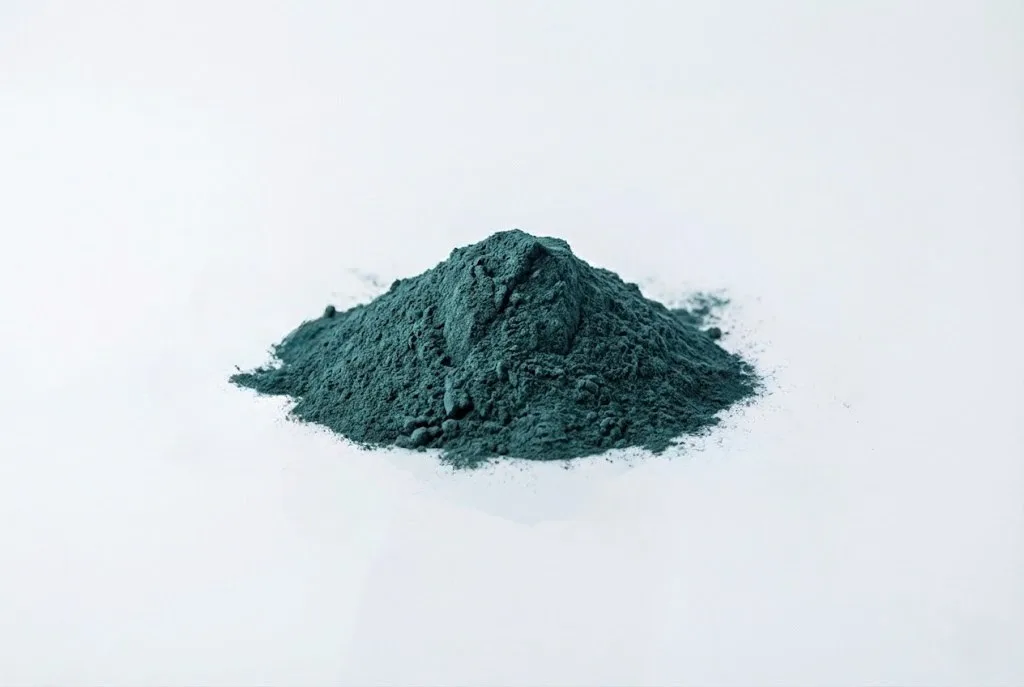
When can babies have spirulina?
Spirulina may be introduced after baby’s first birthday when used in very small amounts mixed into foods. An occasional taste of foods that contain spirulina is okay for babies under 12 months of age, but generally, spirulina should not be offered to babies under 12 months and it should not be given as a supplement unless directed by a healthcare provider.
Spirulina is a type of dried blue-green algae that has been consumed for centuries. Historical records suggest it was harvested from lakes in Central America by the Aztecs and has long been used as a traditional food in parts of Africa, particularly around Lake Chad. Today, spirulina is produced worldwide and is often marketed as a powdered or tablet supplement due to its concentrated nutrient content.
How do you serve spirulina to babies?
Every baby develops on their own timeline, and the suggestions on how to cut or prepare particular foods are generalizations for a broad audience.
6 to 11 months old:
In general, avoid serving foods that contain spirulina due to the risk of accidental exposure to unsafe levels of environmental contaminants. That said, a taste here and there of age-appropriate foods containing spirulina is fine, such as purees or oatmeal. The powder should be fully blended so there are no dry clumps.
12 months old +:
Mix a very small amount of spirulina powder into foods such as yogurt, smoothies, oatmeal, or purees. The powder should be fully blended so there are no dry clumps. Offer spirulina in moderation and only in food and drink, not as a supplement, to reduce the risk of exposure to unsafe levels of environmental contaminants.
Is spirulina a choking hazard for babies?
No. Spirulina presents a low risk when safely prepared for a child’s age and developmental ability, though, in theory, an individual could choke on any food. To reduce the risk, avoid serving spirulina powder on its own, and prepare and serve spirulina in an age-appropriate way as described in How to Serve. As always, create a safe eating environment and stay within reach of baby during meals.
Learn the signs of choking and more about choking first aid in our free guides, Infant Rescue and Toddler Rescue.
Is spirulina a common allergen?
Is spirulina healthy for children?
It can be in small amounts, ideally after a child’s first birthday. That said, a taste of a spirulina-containing food before then is fine on occasion. Spirulina supplements should not be offered to children unless under the direction of a pediatric healthcare professional.
While spirulina offers nutritional benefits, some sources of spirulina can be contaminated with heavy metals and toxins from the bodies of water from which the spirulina is sourced.[3] [4] Compared to adults, children can be more sensitive to the negative effects of heavy metals and toxins.[5] When buying spirulina, look for products that have undergone rigorous safety testing and carry the USP and/or NSF logos – an indication that the product has undergone third party testing.
Spirulina, while typically used in small amounts in food, offers some protein, iron, B vitamins, electrolytes, and antioxidants, which can help support growth, red blood cells, muscle contraction, and bodily resilience.[6]
Despite being known as a vegan source of vitamin B12, many forms of spirulina generally do not provide a usable form of vitamin B12 for the body.[7] It is best to look to other, more reliable, sources of vitamin B12 to meet a child’s nutritional needs.
Spirulina may interact with certain medications, so always check with your healthcare provider before offering spirulina to your child.[8]
Can spirulina help boost immunity in children?
Spirulina contains antioxidants, but there is limited evidence to support immune-boosting claims in children. It should not replace a balanced diet or medical care.
Is spirulina safe as a supplement for children?
Spirulina supplements are not routinely recommended for children. If you are considering supplements, first consult a pediatric healthcare provider.
Reference Material
Petrus M, Culerrier R, Campistron M, Barre A, Rougé P. (2010). First case report of anaphylaxis to spirulin: identification of phycocyanin as responsible allergen. Allergy. 65(7):924-925. doi:10.1111/j.1398-9995.2009.02257.x
Le TM, Knulst AC, Röckmann H. (2014). Anaphylaxis to Spirulina confirmed by skin prick test with ingredients of Spirulina tablets. Food Chem Toxicol. 2014;74:309-310. doi:10.1016/j.fct.2014.10.024
Roy-Lachapelle A, Solliec M, Bouchard MF, Sauvé S. (2017). Detection of Cyanotoxins in Algae Dietary Supplements. Toxins (Basel). 9(3):76. Published 2017 Feb 25. doi:10.3390/toxins9030076
Start solids with confidence
- Guided Introduction to 100+ Foods
- Smart Tools to Simplify Mealtime
- Food Allergen 101
- 300+ Meal Ideas
- First Foods® Database
Start solids with confidence
- Guided Introduction to 100+ Foods
- Smart Tools to Simplify Mealtime
- Food Allergen 101
- 300+ Meal Ideas
- First Foods® Database
Expert Tips Delivered to Your Inbox
Sign up for weekly tips, recipes and more.