
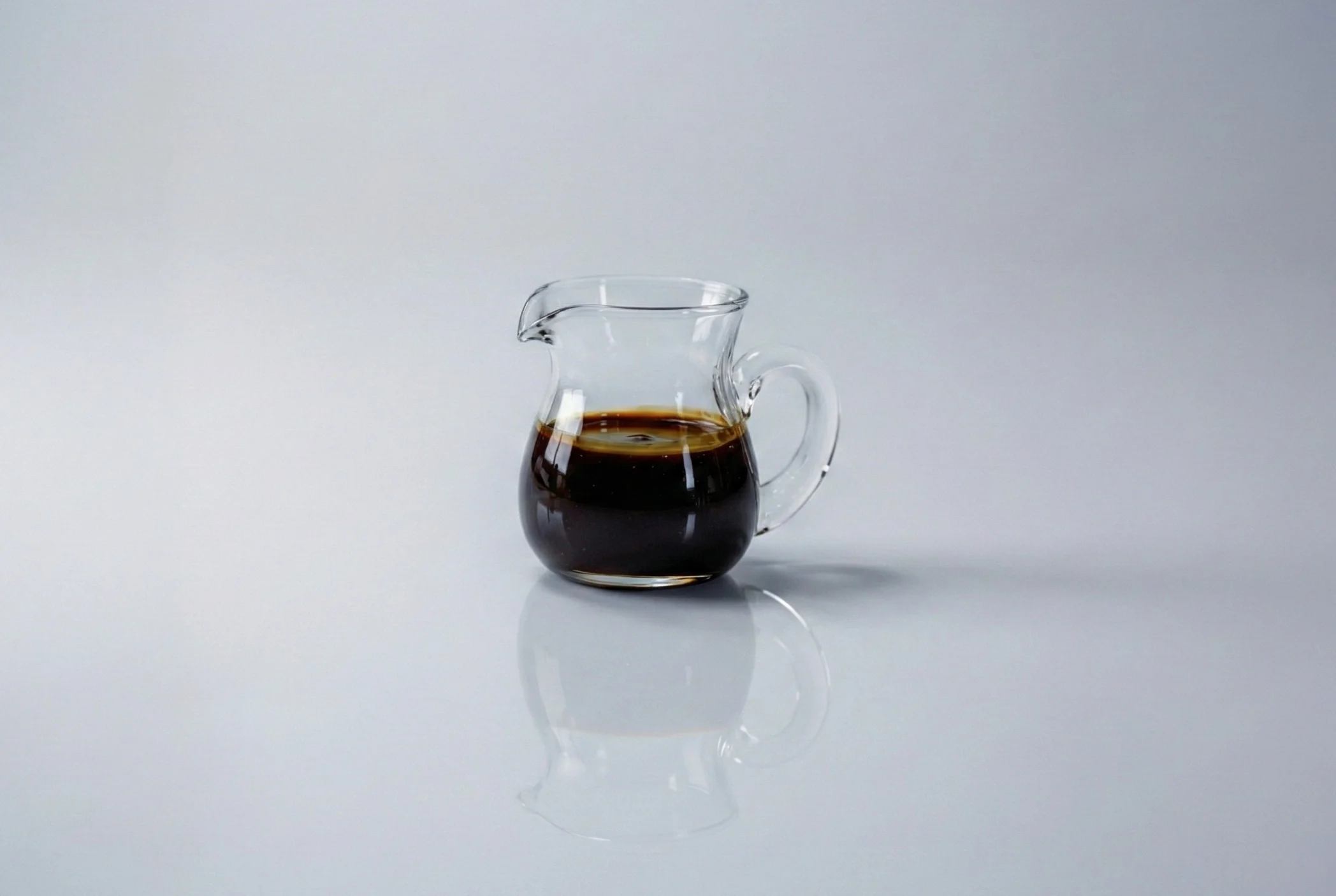
Molasses
Sweetener
- Age Suggestion
- 12 months
- Iron-Rich
- No
- Common Allergen
- No
Warning
When can babies have molasses?
After baby’s first birthday. Molasses can contain spores from the Clostridium botulinum bacteria, which can increase the risk of infant botulism, a rare but potentially fatal illness.[1] [2] [3] While molasses is generally considered safe for toddlers, babies under 12 months of age are most at risk.[4] [5] [6] [7] [8]
Molasses is a thick, dark syrup produced during the processing of produce like sugarcane, sugar beets, grapes, pomegranates, and more. It has been used for centuries as a source of tangy sweetness in cooking and baking across the Caribbean, South America, Africa, Europe, and North America. Historically, molasses played a major role in global trade and colonial economies and became a foundational ingredient in foods such as gingerbread, baked beans, traditional desserts, and more.
How do you serve molasses to babies?
Every baby develops on their own timeline, and the suggestions on how to cut or prepare particular foods are generalizations for a broad audience.
6 to 11 months old:
Avoid due to the risk of infant botulism.
12 months old +:
Use any type of molasses in family meals as desired, including in baked goods like cookies or breads, in barbecue sauces, and more. Just avoid serving a spoonful of molasses on its own, as its thick, sticky texture continues to pose an increased choking risk. Serve desserts and sweets containing molasses in moderation, modifying as needed for the toddler’s eating ability.
Is molasses a choking hazard for babies?
Yes. Molasses is very thick and sticky, qualities that can increase the risk of choking, although molasses is typically mixed into sauces and batters, where it poses a low risk. To reduce the risk of choking, wait to offer food with molasses until after the first birthday, then prepare and serve molasses in an age-appropriate way as described in How to Serve. As always, make sure to create a safe eating environment and stay within reach of baby during meals.
Learn the signs of choking and more about choking first aid in our free guides, Infant Rescue and Toddler Rescue.
Is molasses a common allergen?
No. Molasses is not a common allergen. Note that molasses is typically quite high in sulfites, which may trigger symptoms that are similar to an allergic reaction in people with sulfite sensitivity, although this is rare in babies.
Is molasses safe for babies?
No. Molasses can contain spores from the Clostridium botulinum bacteria, which can increase the risk of infant botulism, a rare but potentially fatal illness.[1] [2] [3] While molasses is generally considered safe for toddlers, babies under 12 months of age are most at risk.[4] [5] [6] [7] [8] Baking or cooking the food does not necessarily reduce the risk of illness, since these spores are quite resistant to heat.
If baby happens to taste food with molasses, keep calm and know that it is probably fine. Symptoms can first present anywhere between 3-30 days after being exposed to botulinum spores, one of the first signs being constipation. If, at any point, baby appears weak and/or lethargic, contact your pediatric healthcare provider.
Can I give my baby blackstrap molasses?
No, not until after the first birthday. Like other types of molasses, blackstrap molasses can contain spores from the Clostridium botulinum bacteria, which can increase the risk of infant botulism, a rare but potentially serious illness.[1] [2] [3] While molasses is generally considered safe for toddlers, babies under 12 months of age are most at risk.
Reference Material
Office of Communications. (2024). CDPH warns consumers not to eat Shemshad's mulberry molasses and molasses jam due to risk of illness. California Department of Public Health.
Cagan, E., Peker, E., Dogan, M., & Caksen, H. (2010). Infant Botulism. The Eurasian Journal of Medicine, 42(2), 92–94. DOI: 10.5152/eajm.2010.25
Harris RA, Dabritz HA. (2024). Infant Botulism: In Search of Clostridium botulinum Spores. Curr Microbiol, 81(10):306. doi:10.1007/s00284-024-03828-0
Start solids with confidence
- Guided Introduction to 100+ Foods
- Smart Tools to Simplify Mealtime
- Food Allergen 101
- 300+ Meal Ideas
- First Foods® Database
Start solids with confidence
- Guided Introduction to 100+ Foods
- Smart Tools to Simplify Mealtime
- Food Allergen 101
- 300+ Meal Ideas
- First Foods® Database
Expert Tips Delivered to Your Inbox
Sign up for weekly tips, recipes and more.