
When and How to Introduce a Bottle to a Breastfed Baby
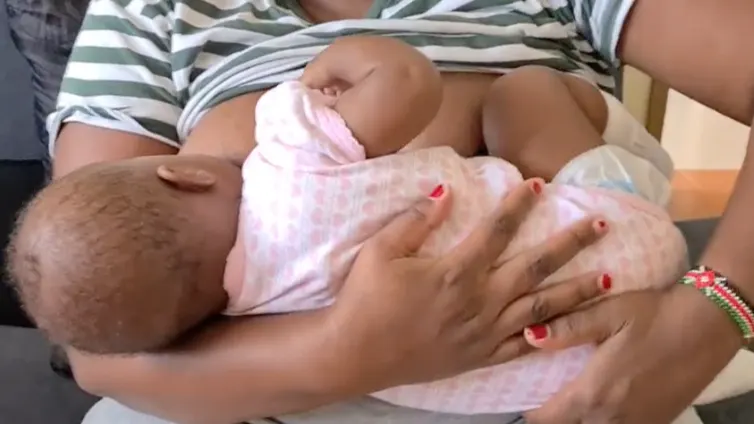
Introducing a bottle to an exclusively breastfed baby can be tricky. Our licensed pediatric professionals offer tips and tricks to help make the transition to bottle-feeding smoother for baby.
At a Glance
Introduce a bottle around 4–6 weeks, once breastfeeding is well established.
Use a slow-flow nipple.
Practice paced bottle feeding in an upright sidelying position.
Offer the bottle when baby is calm—not starving.
Have a non-breastfeeding caregiver offer the bottle.
Pump during or after bottle feeds to maintain milk supply.
For ongoing challenges, seek support from a lactation consultant or feeding therapist.
When to Introduce a Bottle to a Breastfed Baby
For breastfeeding families who want to incorporate a bottle, timing matters. We recommend introducing a bottle once daily starting between 4 and 6 weeks of age, once breastfeeding is well established. The goal is to start well before baby's sucking reflex dampens, which happens around 4 months of age. Introducing a bottle early—but not too early—helps baby gain comfort with different feeding methods and supports flexibility down the road. If you prefer to wait a bit longer, that’s OK too, but know the closer baby gets to four months of age, it can become more tricky for baby to accept the bottle.
How to Choose a Bottle Nipple
There are so many different types of bottles and nipples on the market, and it can feel very overwhelming. There are just as many opinions out there about which is “best,” especially when thinking about protecting breastfeeding. Here are some things to consider:
Go for a slow flow. Breastfeeding is not a continuous, effortless flow. Even with a strong letdown, baby actively controls milk flow with pauses and breaks. A slow-flow nipple most closely mimics this dynamic.
Consider a soft, flexible nipple. Flexible, pliable silicone can help babies latch similarly to the breast.
Try a wide-based nipple. The wide base encourages baby to open the mouth wider, similar to breastfeeding, and may help baby’s lips flange outward in the same way they do when breastfeeding.
Nipple Confusion: Is It a Concern?
The concept of "nipple confusion," or the idea that introducing bottles could interfere with breastfeeding, is a frequent discussion topic among lactation professionals, though research on the subject is inconclusive. Many lactation researchers now use terms like "nipple preference," "flow confusion," or "flow preference." This shift in terminology suggests that the primary issue may be a baby's preference for an easier, faster milk flow, rather than actual confusion between nipple types. While some lower-quality studies have indicated a link between early bottle introduction and reduced breastfeeding duration, a comprehensive review found limited high-quality evidence to definitively connect bottle use to breastfeeding difficulties, especially when appropriate feeding methods, such as paced bottle feeding and slow-flow nipples, were used.

How to Transition from Breastfeeding to Bottle Feeding
Whether you're bottle feeding occasionally or transitioning more fully, here are our recommendations for supporting both bottle and breast:
Begin with one bottle per day, even if you don’t plan to increase.
Use a slow-flow nipple. This helps mimic the natural rhythm of breastfeeding and supports pacing.
Feed in an upright sidelying position. This position supports sensory organization and allows baby to better manage milk flow.
Encourage midline hand placement—bringing baby’s hands together helps organize the nervous system and supports focus during feeding.
Try pacing the feed. Short breaks can help the belly handle the milk. Check out paced bottle feeding to learn how this works.
Avoid letting baby “chug” or guzzle—feeding should be slow, steady, and responsive.
Offer the bottle when baby is calm. Trying when baby is too hungry can be overwhelming. Aim for a drowsy or calm, but alert state.
Have a non-breastfeeding caregiver offer the bottle. This can reduce frustration and help baby accept the bottle more easily.
Pump around the same time. To maintain milk supply, pump or hand express breast milk just before, during, or after the bottle feed. Check out pumping schedules for more guidance.
Will introducing a bottle affect breastfeeding?
One of the main reasons introducing a bottle impacts breastfeeding is the difference between the fast, consistent flow of a bottle nipple compared to the ebb and flow of breastfeeding. The strategies outlined above (using slow flow nipple, pacing baby while feeding, continuing breastfeeding on demand) can help maintain the breastfeeding relationship while also introducing a new skill for baby.
Bottle Refusal in Breastfed Babies
Some babies who are exclusively breastfed may be more selective about taking a bottle, particularly after 3–4 months of age, when the reflexive suck begins to integrate. Bottle refusal can feel stressful, but it's common—and manageable. If your baby is struggling to take a bottle, try the following strategies:
Offer pumped breastmilk in the bottle, if available.
Experiment with milk temperature. Some babies prefer warm, others room temp or cooler.
Use movement—swaying or gentle bouncing can help baby feel secure.
Swaddle baby with hands at midline to provide body organization.
Stimulate the palmar reflex by letting baby grasp your finger during the feed.
Offer the bottle in a calm, quiet environment.
Try a pacifier bridge: start with a pacifier, dip in breastmilk, and then offer the bottle.
Consider a more dense nipple. Some breastfed babies are able to latch better with more input from the nipple into their mouth. Soft, silicone nipples end up being chewed on, or pushed around with the tongue. A more firm nipple may help baby cup the tongue and initiate sucking.
When to Seek Help
Introducing a bottle while continuing to breastfeed doesn’t always go as planned. If you're encountering ongoing refusal, stress, or uncertainty, we recommend consulting a qualified provider. International Board Certified Lactation Consultants (IBCLCs) and feeding therapists offer targeted, evidence-based guidance tailored to your baby and your goals.
Written By
K. Grenawitzke, OTD, OTR/L, SCFES, IBCLC. Pediatric Feeding/Swallowing Specialist
K. Rappaport, OTR/L, MS, SCFES, IBCLC. Pediatric Feeding/Swallowing Specialist
¿Listo/a para empezar?
Descarga la app para empezar el viaje.
Consejos de expertos directo a tu bandeja de entrada
¡Suscríbete y recibe correos semanales con recetas, consejos y más!




Copyright © 2026 • Solid Starts Inc