
Gripe Water for Babies: Is It Safe?
Published: April 21, 2026
Updated: April 21, 2026
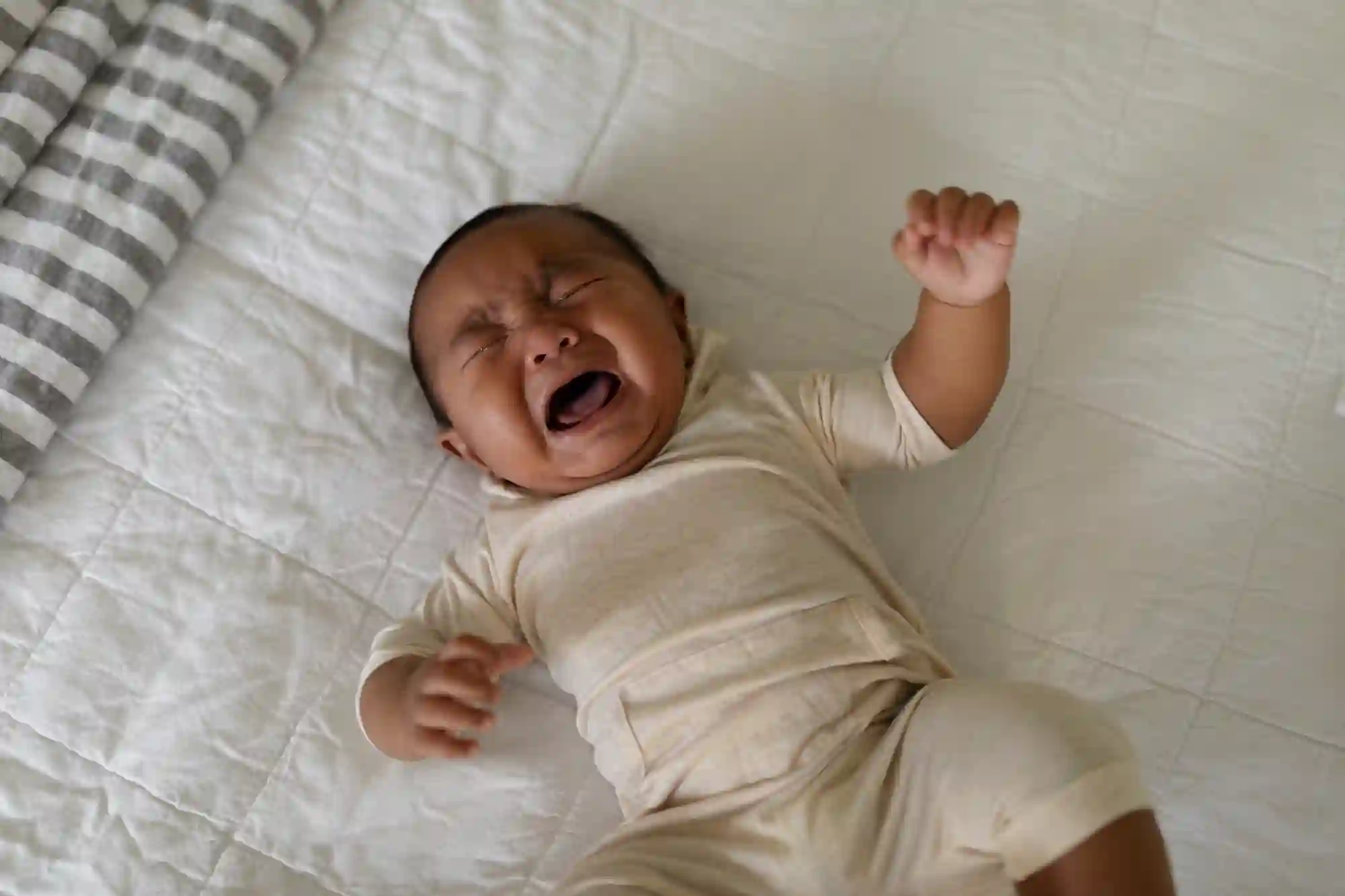
Gripe water claims to ease baby’s hiccups, gas, and colic, but does it actually work? The pediatric pros at Solid Starts explain what you need to know before choosing to give this herbal supplement to your baby.
The Solid Starts App can help you and your baby get ready for starting solids. Get started >
What is gripe water?
Gripe water is an herbal remedy that typically contains water, sodium bicarbonate (baking soda), and soothing herbs like chamomile, fennel, and ginger. It’s been around for over a century, and it’s available over-the-counter for purchase but also easy to make at home. Families traditionally use gripe water to try to ease discomfort from gas, teething pain, and hiccups, and to treat colic in babies, but there is little evidence that it actually works.
Does gripe water work?
It’s unclear. There is no strong scientific evidence that gripe water is an effective way to help stomach pain and address colic in babies. Some research has examined the effect of individual herbs (like chamomile and fennel), and while these studies show some promise, there are significant limitations. More studies are needed to determine the effectiveness of gripe water.
That said, some families insist that gripe water helps their babies feel better. This may be because offering gripe water helps parents feel calmer first... and when a parent is calm, baby is often calmer, too. Perception is powerful, so even if gripe water isn’t doing much in baby’s system, a relaxed parent can make a big difference.
Is gripe water safe for babies?
It’s unclear. Herbal supplements like gripe water are not scrutinized with the same government oversight as food and medicine, which means that there may be variations between what the packaging says is in gripe water, and what the buyer actually gets. This makes it challenging to know what baby is actually getting when they are offered gripe water. Gripe water and herbal products marketed for babies have been linked to serious health risks, including sepsis and breathing difficulties due to contaminated products.
Gripe Water Safety Concerns
Quality Control Issues | Gripe water is not strictly regulated, and ingredients and manufacturing processes can vary between brands. |
Potential Side Effects | Some herbal products have been associated with breathing problems, including episodes where babies temporarily stopped breathing. |
Dosing | Because these products aren't standardized, it's easy to accidentally give too much, which could increase the risk of side effects. |
Unknown Ingredients | Some gripe water products may contain ingredients that aren't safe for young infants, like alcohol. |
Is gripe water regulated by the FDA?
No. Because gripe water is sold as a dietary supplement rather than a medication, it is not regulated as strictly by the Food and Drug Administration in the United States. This means the ingredients and manufacturing processes can vary between brands.
Gripe Water vs. Gas Drops
Gripe water and gas drops (simethicone) are fundamentally different products. Unlike gripe water, gas drops are regulated by the United States Food and Drug Administration, and they are safe with no serious side effects reported. Gas drops break up gas bubbles in the stomach and intestines, making them easier for babies to pass. However, they have not been shown to decrease colic in babies.
Gripe Water Alternatives
When babies are gassy and fussy, it’s normal to feel a little desperate for a solution to calm down. Thankfully, there are a few evidence-based approaches to try.
Solution | Why It Helps |
|---|---|
Soothing techniques | Gentle rocking, swaddling, or white noise is proven to calm fussy babies. |
Dietary changes for you | Your doctor may suggest support from a dietitian to help you balance your diet while avoiding foods that can make your baby’s symptoms worse when breastfeeding. |
Formula changes | Your pediatrician may suggest trying a different formula to help with gas. |
Gas drops | Sometimes they can make gas bubbles easier to pass, but talk to your pediatrician before offering them. |
Gentle massage | While the evidence is limited, infant massage is soothing and worth a try to help manage discomfort from gas. |
You can also talk to your doctor about other alternatives, like probiotic drops for babies or drinking chamomile tea if you are breastfeeding, but know that more research is needed to back up these alternatives as effective solutions for babies.
If You Want to Offer Gripe Water
There are a few ways to minimize the risk if you choose to offer gripe water to baby.
Check the label. Make sure it does not contain alcohol, which is dangerous for babies.
Start small. Use the lowest dose for the shortest duration possible. Gripe water is not regulated and there are no standards for safe dosage in babies.
Stay close. Be vigilant for adverse side effects such as changes in breathing, excessive drowsiness, or any unusual symptoms.
Get support. It is also important to avoid giving multiple herbal products simultaneously, as this increases risk and makes it difficult to identify problematic ingredients. Let your pediatrician know of all medications and supplements being used to avoid potential dangerous interactions with any prescribed medication.
¿Listo/a para empezar?
Descarga la app para empezar el viaje.
Consejos de expertos directo a tu bandeja de entrada
¡Suscríbete y recibe correos semanales con recetas, consejos y más!




Copyright © 2026 • Solid Starts Inc