


Acceda a la base de datos First Foods® en Solid Starts App.
Leer másMarmite
Condimento
Sugerencia de edades
6 meses
Alto contenido de hierro
No
Alérgeno común
Sí
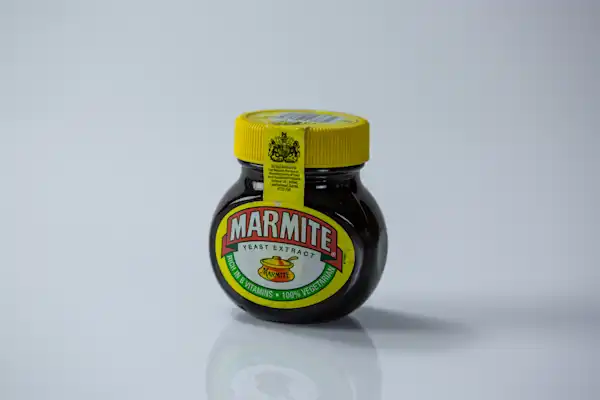
When can babies have marmite?
Marmite may be introduced as soon as baby is ready to start solids, which is generally around 6 months of age, when offered in small amounts and on occasion. Aim to wait on sharing marmite regularly until after the first birthday due to its high sodium levels.
Marmite is a thick, dark, and sticky savory spread made from yeast extract. It was invented in the late 19th century by a German scientist working in the United Kingdom, who discovered that leftover brewer’s yeast could be concentrated, bottled, and eaten. Known for its intense and salty flavor, it has become a staple in British households—famously marketed with the slogan "Love it or hate it." It is traditionally spread very thinly on buttered toast or used as a flavor enhancer in soups and stews.
How do you serve marmite to babies?
Cada bebé se desarrolla a su propio ritmo, y las sugerencias que ofrecemos sobre cómo cortar o preparar determinados alimentos son generalizaciones para una amplia audiencia.
6 months old +:
Hold off on regularly sharing marmite due to high sodium levels, but a taste here and there is fine. Spread a very thin layer of marmite on toasted bread or crumpets, or stir a tiny amount into broths and stocks or mashed potatoes, porridge, or sauces.
12 months old +:
Offer marmite thinly spread on toast or mixed into family meals such as soups or stews. Continue to offer in moderation due to high sodium levels, and avoid serving in thick globs or spoonfuls.
Videos
Is marmite a choking hazard for babies?
No. Marmite presents a low risk when safely prepared for a child’s age and developmental ability, though, in theory, an individual could choke on any food. To reduce the risk, serve marmite in an age-appropriate way as described in How to Serve. As always, make sure to create a safe eating environment and stay within reach of baby during meals.
Learn the signs of choking and more about choking first aid in our free guides, Infant Rescue and Toddler Rescue.
Does marmite contain common allergens?
Yes. Marmite often contains wheat (gluten), which is a common allergen. Always check ingredient labels, especially if managing food allergies.
Prior to sharing marmite with baby, it is important to introduce common food allergens on their own and rule them out as allergens before serving them together in a prepared food. This way, you’ll be able to identify which allergen is responsible if baby has a reaction. Then, when you are ready to offer marmite, you will be confident that baby has already safely eaten any common food allergens in the food.
Is marmite healthy for babies?
Yes, in small amounts and on occasion due to its high sodium levels. Marmite is rich in B vitamins, including thiamin, riboflavin, niacin, and folate, which support energy metabolism and nervous system development. Many varieties are fortified with additional vitamins.
Marmite is also high in sodium, so it is best offered in small amounts. A small taste here and there is fine, but regular or large servings are best reserved for older children and adults.
Are marmite and vegemite the same thing?
No, but they are very similar. Both are savory, dark spreads made from leftover brewer's yeast and are famous for their intense umami flavor and high B-vitamin content. However, marmite originated in the United Kingdom and has a sticky, syrupy texture with a slightly milder, sweeter taste. Vegemite, which originated in Australia, has a thicker, paste-like consistency and includes added vegetable extracts and spices, giving it a more bitter flavor.
When can babies have marmite on toast?
Babies can have a thin spread of marmite on toast as soon as they are developmentally ready for solids, which is typically around 6 months of age. Just offer sparingly due to high sodium levels.
Nuestro equipo
Escrito por

Dr. Sakina Bajowala
Pediatra general y alergóloga/inmunóloga

Kim Grenawitzke
Terapeuta ocupacional pediátrica(o), especialista en alimentación y deglución, y consultora de lactancia certificada por la junta internacional

Venus Kalami
Nutricionista y dietista pediátrico(a) registrada
Consejos de expertos directo a tu bandeja de entrada
¡Suscríbete y recibe correos semanales con recetas, consejos y más!




Copyright © 2026 • Solid Starts Inc