
Hot Sauce
Condimento
- Edad sugerida
- 6 meses
- Rico en hierro
- No
- Alérgeno común
- No
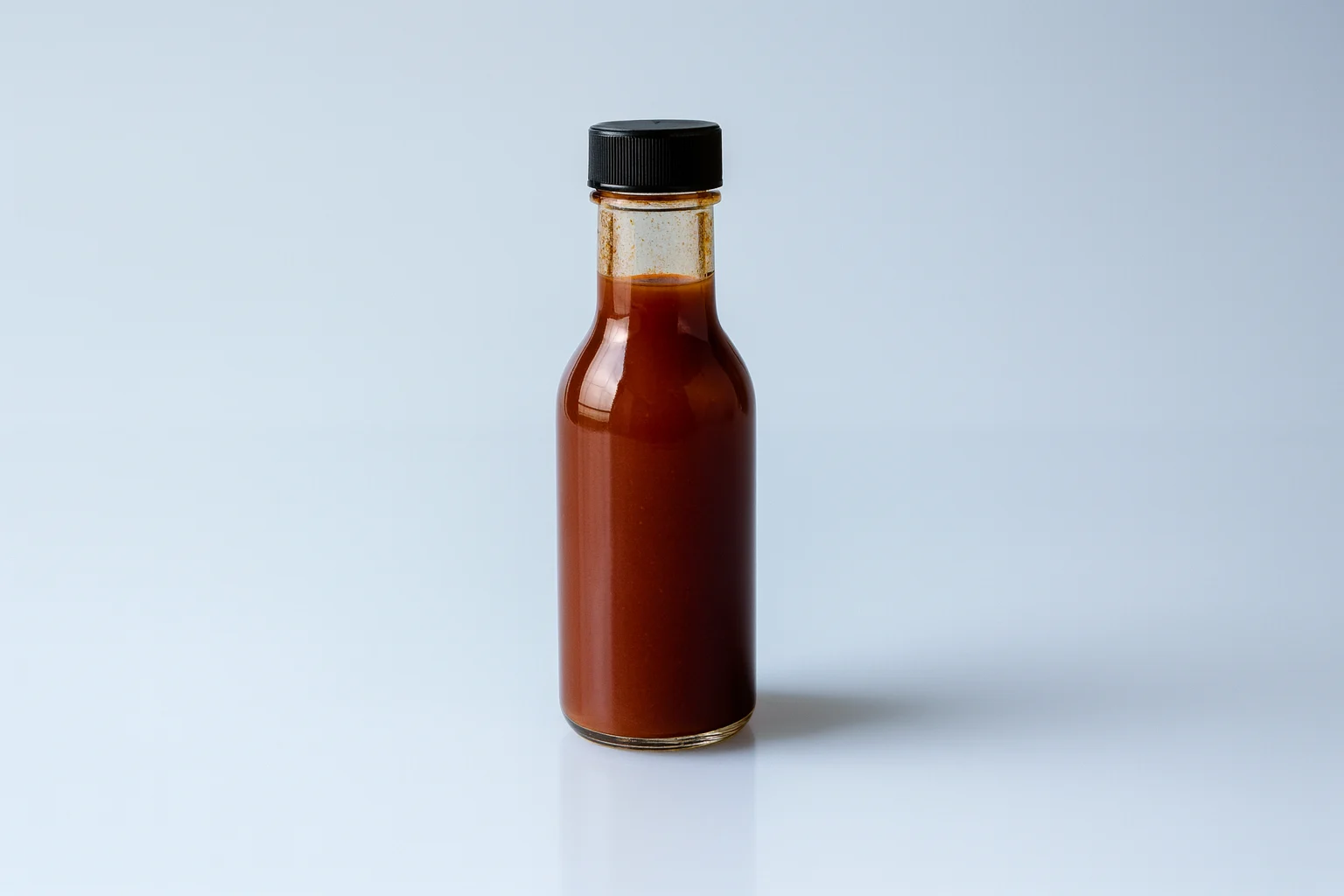
When can babies have hot sauce?
Hot sauce may be introduced as soon as baby is ready to start solids, which is generally around 6 months of age. Whenever you decide to introduce hot sauce, consider starting with a tiny amount mixed into other foods rather than serving it on its own. While spicy foods are safe for babies, large quantities may irritate the mouth or cause temporary digestive upset.
Hot sauce exists in countless forms around the world, usually made by blending some kind or kinds of chili peppers with salt, vinegar, spices, or fermented ingredients. It has deep culinary roots in cuisines spanning the Americas, Africa, Asia, and the Caribbean. From Mexican salsas picantes and Haitian pikliz to Korean gochujang and West African pepper sauces, chili-based condiments have long been used to season food, preserve ingredients, and reflect local identities. Babies and children in many cultures grow up eating spicy food from infancy, building familiarity with heat gradually over time.
How do you serve hot sauce to babies?
Cada bebé se desarrolla a su propio ritmo, y las sugerencias que ofrecemos sobre cómo cortar o preparar determinados alimentos son generalizaciones para una amplia audiencia.
6 months old +:
Let baby taste some of your food that contains a tiny amount of hot sauce, and consider waiting until baby is a little older to regularly offer very spicy dishes. At first, the goal is to help baby make the connection that food is enjoyable, not painful. When you do decide to let baby try a food seasoned with hot sauce, balance the heat by serving it alongside a creamy food like mashed avocado or yogurt. Make sure you taste the dish first to judge how spicy the finished meal is, and watch baby’s hands—many children at this age rub their faces and eyes while eating, so try to intervene before they get spicy food in their eyes.
24 months old +:
Offer age-appropriate family meals like chili or scrambled eggs that have been seasoned with a small amount of hot sauce, continuing to follow the child’s lead on their tolerance and preferences. If the child is still building their tolerance for spicy food, go with a tiny amount and make sure to offer a creamy food like mashed avocado or yogurt alongside it. If the child is asking for more or showing a preference for spicy food, feel free to add a bit more to their meal or experiment with slightly spicier hot sauces.
Is hot sauce a choking hazard for babies?
No. Hot sauce presents a low risk when safely prepared for a child's age and developmental ability, though, in theory, an individual could choke on any food. To reduce the risk, prepare and serve hot sauce in an age-appropriate way as described in the How to Serve section. As always, create a safe eating environment and stay within reach of baby during meals.
Learn the signs of choking and more about choking first aid in our free guides, Infant Rescue and Toddler Rescue.
Does hot sauce contain common allergens?
It depends on the variety. Hot sauce is typically made from chili peppers, vinegar, which are not common allergens, but depending on the specific product, hot sauce may contain common food allergens such as fish, soy, or wheat.
Allergies to chili peppers are rare, but not unheard of.[1] [2] Contact reactions to spicy peppers (such as temporary rashes, eye irritation, respiratory difficulty, and digestive upset) are frequently mistaken for allergic reactions.[3] But these symptoms are typically due to the irritating qualities of capsaicin–the spicy component of chili pepper–and are not typically a true allergic reaction.[4]
Spicy foods like hot sauce may cause a harmless rash around the mouth while baby eats or may cause or worsen diaper rash. Try applying a thin layer of barrier cream or ointment—such as pure petroleum jelly or a plant-based oil/wax balm—to baby’s face and diaper area to help prevent contact rash.
Hot sauce may contain sulfites and while sulfites are not a common allergen, certain individuals, particularly those with asthma, can have allergy-like reactions to added sulfites.[5] If sulfites are a concern, avoid ingredients such as sulfur dioxide, potassium bisulfate, potassium metabisulfite, sodium bisulfite, sodium metabisulfite, and sodium sulfite to name a few.[5]
Is hot sauce safe for babies?
Yes, spicy foods like hot sauce are generally safe for babies as soon as they are developmentally ready for solids. It’s a myth that babies can only have bland flavors, but it is important to start small (with only a tiny amount of a milder hot sauce) and increase the amount gradually. Some babies may experience temporary irritation (such as fussiness or looser stools), but this is not harmful and often improves with gradual exposure. Lastly, make sure the hot sauce does not contain honey, which carries a risk of infant botulism for babies under 12 months of age.
Is hot sauce healthy for babies?
Yes, in small amounts. Hot sauce contains capsaicin (the compound that creates the sensation of heat) as well as vitamin C, beta-carotene, and antioxidants from chili peppers. These nutrients can support immune function and cellular health, but babies consume hot sauce in such tiny amounts that it doesn’t have much nutritional impact.
Most commercial hot sauces are high in sodium, but again, hot sauce is used in such small quantities, especially in baby’s portion, that it won’t affect baby’s sodium intake much. If the family meal often contains hot sauce, you can choose a low-sodium hot sauce, if desired.
What is the best hot sauce for babies?
For babies new to solid food, go with a very mild hot sauce and mix a small amount into the family’s meal, or dilute a bit of hot sauce with breast milk or formula before mixing into baby’s portion. While some hot sauces can be high in sodium, there is no need to choose a hot sauce based on sodium levels for baby’s first tastes: such a tiny amount gets added to baby’s portion that there’s no cause for concern as far as sodium intake. Lastly, make sure the hot sauce does not contain honey, which carries a risk of infant botulism for babies under 12 months of age.
Material de referencia
Start solids with confidence
- Guided Introduction to 100+ Foods
- Smart Tools to Simplify Mealtime
- Food Allergen 101
- 300+ Meal Ideas
- First Foods® Database
Start solids with confidence
- Guided Introduction to 100+ Foods
- Smart Tools to Simplify Mealtime
- Food Allergen 101
- 300+ Meal Ideas
- First Foods® Database
Consejos de expertos directo en tu correo
Suscríbete para recibir consejos semanales, recetas y más.