


Acceda a la base de datos First Foods® en Solid Starts App.
Leer másGorgonzola
Lácteo
Sugerencia de edades
12 meses
Alto contenido de hierro
No
Alérgeno común
Sí
Warning
Mold-ripened cheeses like gorgonzola carry an increased risk of foodborne illness, such as Listeria, and babies are more at risk for severe symptoms. Baking pasteurized gorgonzola to an internal temperature of at least 165 degrees Fahrenheit (74 degrees Celsius) reduces the risk of illness.
When can babies have gorgonzola?
Wait until a child is at least 12 months of age before introducing pasteurized gorgonzola, as soft, mold-ripened cheeses like gorgonzola carry an increased risk of foodborne illness. Baking pasteurized gorgonzola to an internal temperature of at least 165 degrees Fahrenheit (74 degrees Celsius) can help reduce the risk of foodborne illness. All babies and young children should avoid consumption of unpasteurized cheeses.
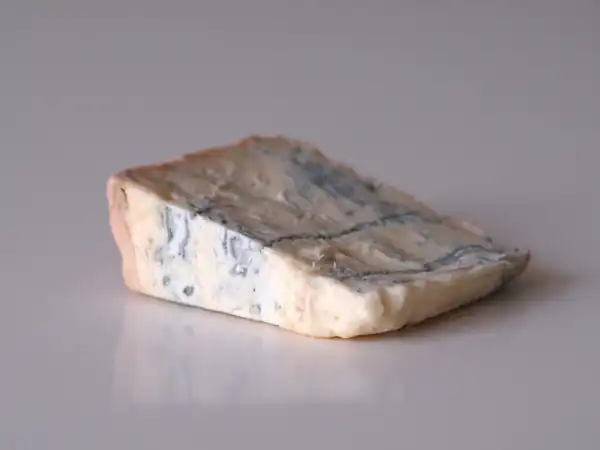
Gorgonzola is an ancient style of blue cheese from the Italian province of the same name and has been granted Protection of Designated Origin status (PDO) since 1996. There are two main types of gorgonzola, one called “dolce” or sweet, which accounts for the majority of gorgonzola produced, and the other “piccante” or savory. Gorgonzola is made with cow’s milk, and the use of two curds in the production process–a new one added to the curd from the evening before–has traditionally been what creates the conditions for the crevices that lead to mold growth, the distinctive veins of blue and green that offer the cheese its rich, tangy flavor.
How do you serve gorgonzola to babies?
Cada bebé se desarrolla a su propio ritmo, y las sugerencias que ofrecemos sobre cómo cortar o preparar determinados alimentos son generalizaciones para una amplia audiencia.
6 to 11 months old:
Consider waiting due to the risk of foodborne illness, although it’s fine to share a small bite with baby if you are enjoying a dish like pasta or a casserole with baked gorgonzola in it. Just make sure there are no large, firm globs of the melted cheese, as these can pose an increased risk of choking.
12 months old +:
Offer flat slices or flat, bite-sized crumbles of pasteurized gorgonzola. Consider the risk factors of the child (current health, age) and the source of the cheese before serving and, to further reduce the risk of foodborne illness, offer meals where gorgonzola has been cooked to an internal temperature of at least 165 degrees Fahrenheit (74 degrees Celsius), such as casseroles or cooked sauces. Make sure there are no large firm globs of melted cheese in the child’s portion of the meal, as these pose an increased choking risk.


Videos
Is gorgonzola a choking hazard for babies?
Yes. Cheeses like gorgonzola can be firm and get globby and hard to manage in the mouth, qualities that increase the risk of choking. To reduce the risk, prepare and serve gorgonzola in an age-appropriate way as described in the How to Serve section. As always, create a safe eating environment and stay within reach of the child during meals.
Learn the signs of choking and more about choking first aid in our free guides, Infant Rescue and Toddler Rescue.
Is gorgonzola a common allergen?
Yes. Gorgonzola cheese is traditionally made from cow’s milk and can also be made with sheep and goat milk. Milk is a common food allergen in young children, accounting for about one-fifth of all childhood food allergies in the U.S. While milk allergy typically refers to cow’s milk, dairy products from ruminants such as sheep, goat, and buffalo may provoke similar allergic reactions to cow’s milk dairy products. If baby is allergic to dairy, know that it is an allergy that often disappears with time. Research shows that the majority of children with cow's milk allergy will outgrow it by age 6, and many babies with milder symptoms of milk protein allergy (which can show up as painless blood in stool) are able to successfully reintroduce cow's milk as early as their first birthday, with the guidance of their doctors. Note: Aged cheeses generally contain histamines, which may cause rashes in children who are sensitive to them.
Milk and dairy products are a common trigger of food protein-induced enterocolitis syndrome, also known as FPIES. FPIES is a delayed allergy to food protein which causes the sudden onset of repetitive vomiting and diarrhea to begin a few hours after ingestion. Left untreated, the reaction can result in significant dehydration. Thankfully, like other forms of milk allergy, FPIES which presents early in life is generally outgrown by the child has reached 3-5 years of age. While the exact rates of FPIES are unknown, it is believed to be an uncommon condition (although better recognition of the disease has led to increased reporting in recent years).
For those with older children who are lactose intolerant (keep in mind this is uncommon for infants and toddlers), some good news: compared with milk and certain other dairy products, many cheeses may be better tolerated by those with lactose intolerance, particularly aged cheeses, which have lower lactose content. Note that if your child is lactose-intolerant, it’s important to find calcium-rich foods to consume regularly to ensure a balanced diet and support bone health. Search for naturally low-lactose cheeses and dairy products labeled “lactose-free.”
If you suspect your child may be allergic to dairy products, consult an allergist before introducing dairy products like cheese. Based on baby’s risk factors and history, your allergist may recommend allergy testing, or may instead advise dairy introduction under medical supervision in the office. If the risk is low, you may be advised to go ahead and introduce cheese in the home setting. As with all common allergens, start by serving a small amount for the first few servings, and if there is no adverse reaction, gradually increase the quantity over future meals.
Is gorgonzola safe for babies?
It can be, if pasteurized and baked to an internal temperature of at least 165 degrees Fahrenheit (74 degrees Celsius), but waiting until a child is at least 12 months of age can further decrease the risk of illness.
¿Qué hago si mi bebé no quiere comer?
Termina la comida y ofrécele una toma de pecho o biberón. Nunca presiones a un/a bebé o a un/a niño/a para que coma; a largo plazo esto sólo empeorará el rechazo a los alimentos. Los bebés rechazan la comida por diferentes motivos, como la dentición, una enfermedad, demasiado cansancio, o falta de energía o interés en aprender una nueva habilidad. Para obtener más información sobre por qué el/la bebé puede negarse a comer, consulta nuestra guía Cómo responder al rechazo de los alimentos en los bebés.
¿Cuáles son algunos ejemplos de alimentos con los que puedo comenzar?
Hay muchos alimentos que pueden ser excelentes opciones. Busca alimentos que permitan que el/la bebé se alimente solo/a fácilmente, que tengan bajo riesgo de ahogamiento y que ofrezcan los nutrientes que los bebés necesitan, como el hierro. Algunos de nuestros primeros alimentos favoritos incluyen brócoli al vapor, avena, y semilla de mango.
Nuestro equipo
Escrito por

Dr. Sakina Bajowala
Pediatra general y alergóloga/inmunóloga

Kim Grenawitzke
Terapeuta ocupacional pediátrica(o), especialista en alimentación y deglución, y consultora de lactancia certificada por la junta internacional

Venus Kalami
Nutricionista y dietista pediátrico(a) registrada
Consejos de expertos directo a tu bandeja de entrada
¡Suscríbete y recibe correos semanales con recetas, consejos y más!




Copyright © 2026 • Solid Starts Inc