


Acceda a la base de datos First Foods® en Solid Starts App.
Leer másCrumpet
Grano
Sugerencia de edades
6 meses
Alto contenido de hierro
No
Alérgeno común
Sí
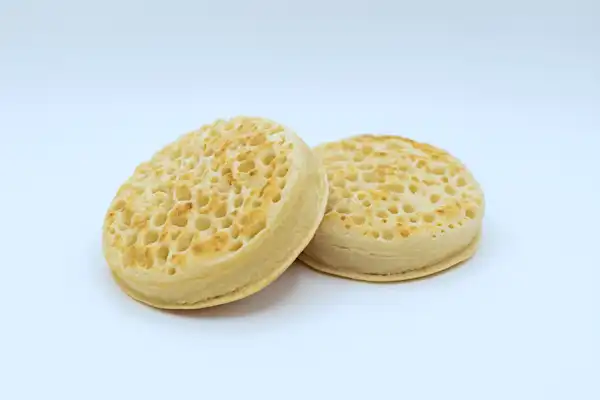
When can babies have crumpets?
Crumpets may be introduced as soon as baby is ready to start solids, which is generally around 6 months of age. Note that crumpets are typically made with wheat and may contain other common allergens, so take care when introducing.
Crumpets are small, round, soft breads with a spongy texture and signature bubbly top, traditionally cooked on a griddle. They’re similar in some ways to pancakes, pikelets, or english muffins, and unique in others, with a long history all their own. Crumpets originated in the United Kingdom and are often served toasted with butter, jams, or savory spreads.
How do you serve crumpets to babies?
Cada bebé se desarrolla a su propio ritmo, y las sugerencias que ofrecemos sobre cómo cortar o preparar determinados alimentos son generalizaciones para una amplia audiencia.
6 months old +:
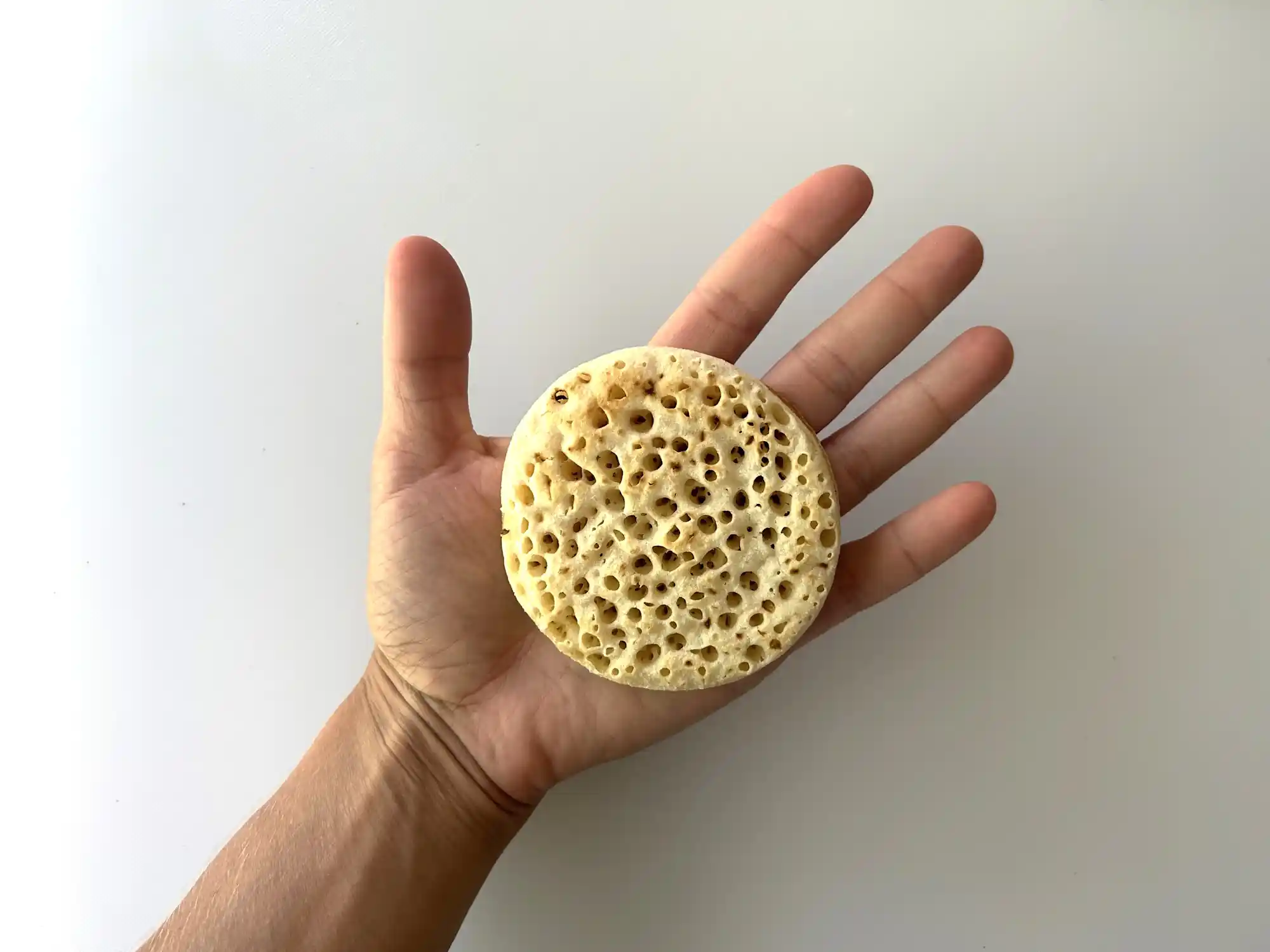
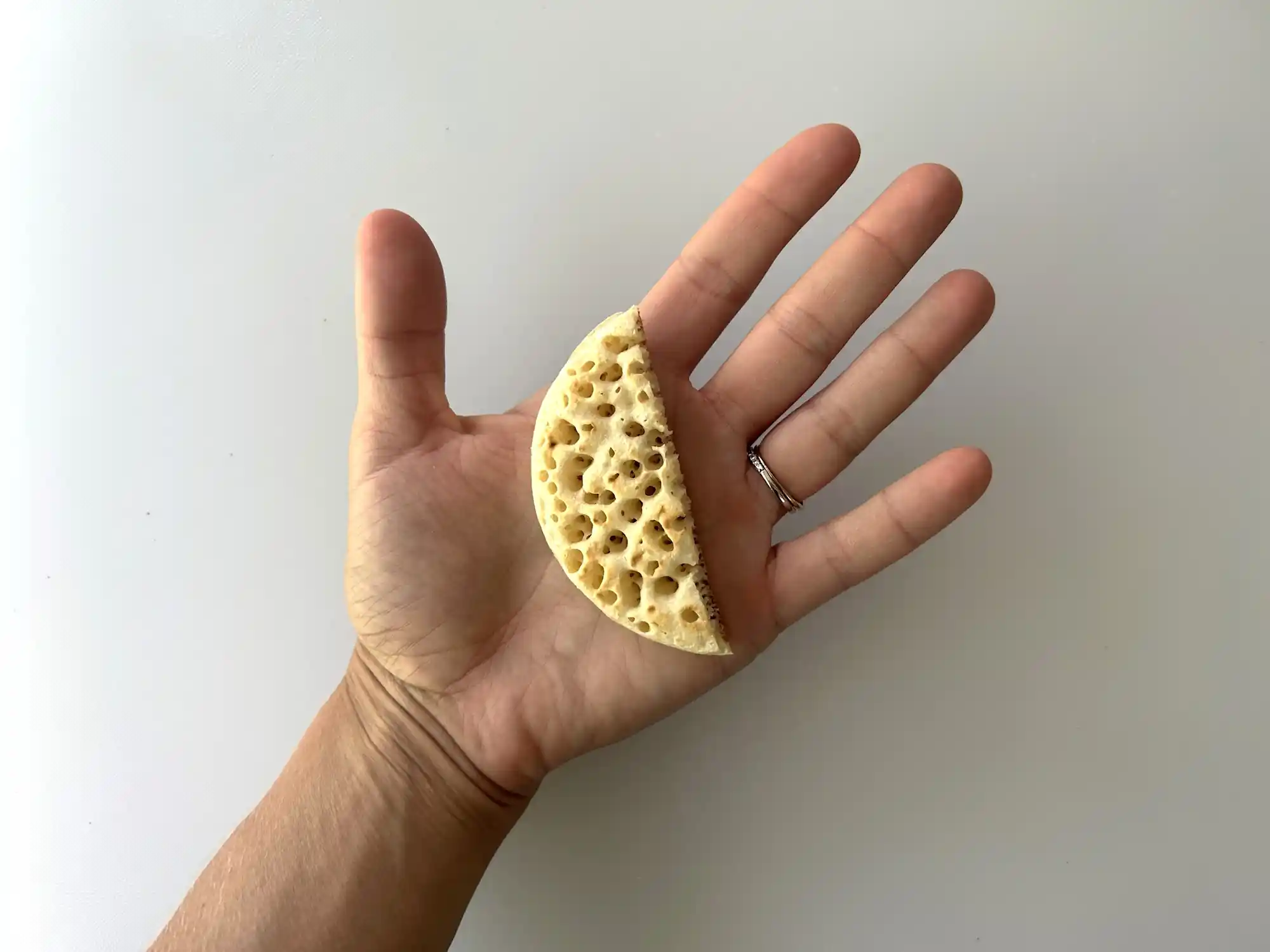
Offer a whole, toasted crumpet or cut it into thin strips for baby to hold and munch on. Adding a thin, soft spread such as butter, mashed avocado, or ricotta cheese can make the crumpet easier to manage in the mouth.
9 months old +:
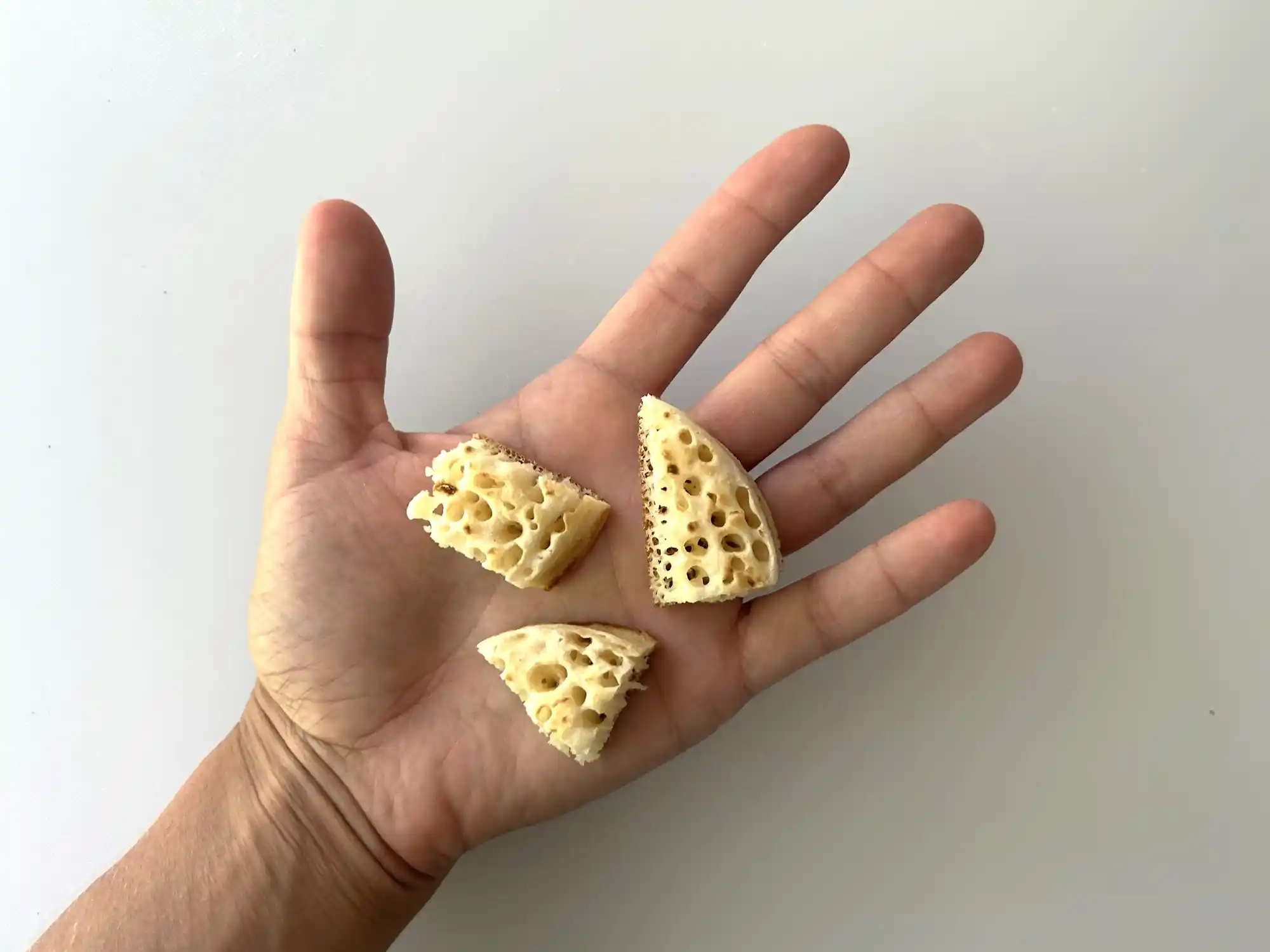
As baby develops their pincer grasp, the ability to pick up smaller objects with their thumb and first finger, you can serve toasted crumpet in bite-sized pieces, thin strips, or whole. Adding a thin, soft spread such as butter, mashed beans, or cream cheese can make the crumpet easier to manage in the mouth.
12 months old +:
Serve toasted crumpets as desired: whole, in strips, or in bite-sized pieces. Add your favorite toppings, from butter to cooked egg to savory or sweet spreads.
Are crumpets a choking hazard for babies?
Yes. Like other kinds of bread, crumpets can be difficult to chew and may become gummy in baby’s mouth, qualities that increase the risk of choking. To reduce the risk, prepare and serve crumpets in an age-appropriate way as described in the How to Serve section. As always, create a safe eating environment and stay within reach of baby during meals.
Learn the signs of choking and more about choking first aid in our free guides, Infant Rescue and Toddler Rescue.
Do crumpets contain common allergens?
Yes. Crumpets are typically made from wheat and often contain other common allergens such as milk, soy, or eggs. Prior to sharing crumpets with baby, it is important to introduce common food allergens on their own and rule out an allergy before serving them together in a prepared food like crumpets. Then, when you are ready to share it, you will be confident the child has already safely eaten any common allergens in the food.
Are crumpets healthy for babies?
Yes. Crumpets offer plenty of carbohydrates plus some fiber and protein, too. Nutrition varies widely depending on the type, with some offering more nutrients than others: some are whole grain, some are made with sourdough or sprouted grains, and others are fortified with added vitamins and minerals.
¿Es necesario tener una trona/silla alta?
Si bien una silla alta puede ayudar a crear un entorno seguro para comer, existen formas alternativas para que el/la bebé coma de forma segura, así como sostenerlo/a en tu regazo o sentarse juntos en el suelo. Para obtener más información, consulta nuestra Guía detallada de sillas altas para bebés.
¿Qué utensilios necesito para empezar?
¡Ninguno! Sirve los alimentos sólidos directamente en la bandeja, plato o tazón del/a bebé y luego deja que el/la bebé explore con las manos. Si lo deseas, tenga una cuchara o un tenedor disponibles para ayudarlo/a a familiarizarse con los utensilios, pero no se espera que adquiera las habilidades para usarlos hasta que sea un poco mayor.
Consejos de expertos directo a tu bandeja de entrada
¡Suscríbete y recibe correos semanales con recetas, consejos y más!




Copyright © 2026 • Solid Starts Inc