


Acceda a la base de datos First Foods® en Solid Starts App.
Leer másCoconut Oil
Fruta
Sugerencia de edades
6 meses
Alto contenido de hierro
No
Alérgeno común
No
When can babies have coconut oil?
Coconut oil may be introduced as soon as baby is ready to start solids, which is generally around 6 months of age.
Coconut oil has been a dietary and cultural staple for centuries across tropical regions, particularly in South and Southeast Asia, the Pacific Islands, and parts of Africa. Extracted from the dried or fresh meat of coconuts, it has long been used for cooking, lamp fuel, medicine, and religious ceremonies. Colonial trade networks carried coconuts and coconut oil across the globe, cementing their role in global commerce. Today, coconut oil remains central in regional cuisines while also being embraced worldwide in both culinary and wellness contexts.
How do you serve coconut oil to babies?
Cada bebé se desarrolla a su propio ritmo, y las sugerencias que ofrecemos sobre cómo cortar o preparar determinados alimentos son generalizaciones para una amplia audiencia.
6 months old + :
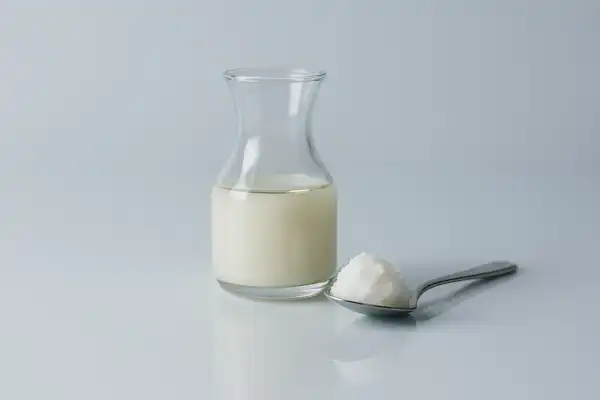
Use coconut oil in its liquid form as part of marinades and sauces, or use in your cooking and baking as desired. If you like, you can pour a small amount directly on baby’s tray or plate to let them taste the oil on its own. Make sure the coconut oil is fully liquid before serving to baby–hardened pieces of coconut oil in its solid form pose an increased risk of choking.
12 months old +:
Continue to use coconut oil as part of dressings, sauces, and marinades, and use in cooking and baking as desired. Make sure the coconut oil is fully liquid before serving to the child–hardened pieces of coconut oil in its solid form pose an increased risk of choking.
Is coconut oil a choking hazard for babies?
No. Coconut oil in liquid form presents a low risk when safely prepared for a child’s age and developmental ability, though, in theory, an individual could choke on any food. Coconut oil hardens when cool, which can present an increased choking risk. To reduce the risk, prepare and serve coconut oil in an age-appropriate way as described in the How to Serve section. As always, create a safe eating environment and stay within reach of baby during meals.
Learn the signs of choking and more about choking first aid in our free guides, Infant Rescue and Toddler Rescue.
Is coconut oil a common allergen?
No. Coconut oil is made from coconut, and coconut allergy is rare. However, in the rare cases when it does occur, coconut allergy has been associated with severe reactions.
Although it is not typical for individuals with peanut or tree nut allergies to also be allergic to coconut, cross-reactivity has occasionally been observed between coconut and macadamia, almond, walnuts, hazelnuts, lentils, and latex.
Is coconut oil healthy for babies?
Yes. Coconut oil contains medium-chain triglycerides (MCTs), a type of fat that is easily digested and quickly used for energy to support growth and development. It also provides lauric acid, which has antimicrobial properties. Compared to other oils, coconut oil has a higher smoke point, making it ideal for high-heat cooking.

Does coconut oil help with constipation?
Some families find that coconut oil helps keep stools soft, though research is limited. Offer as part of a balanced diet.
Nuestro equipo
Escrito por

Dr. Sakina Bajowala
Pediatra general y alergóloga/inmunóloga

Kim Grenawitzke
Terapeuta ocupacional pediátrica(o), especialista en alimentación y deglución, y consultora de lactancia certificada por la junta internacional

Venus Kalami
Nutricionista y dietista pediátrico(a) registrada
Consejos de expertos directo a tu bandeja de entrada
¡Suscríbete y recibe correos semanales con recetas, consejos y más!




Copyright © 2026 • Solid Starts Inc