
Canola Oil
- Edad sugerida
- 6 meses
- Rico en hierro
- No
- Alérgeno común
- No
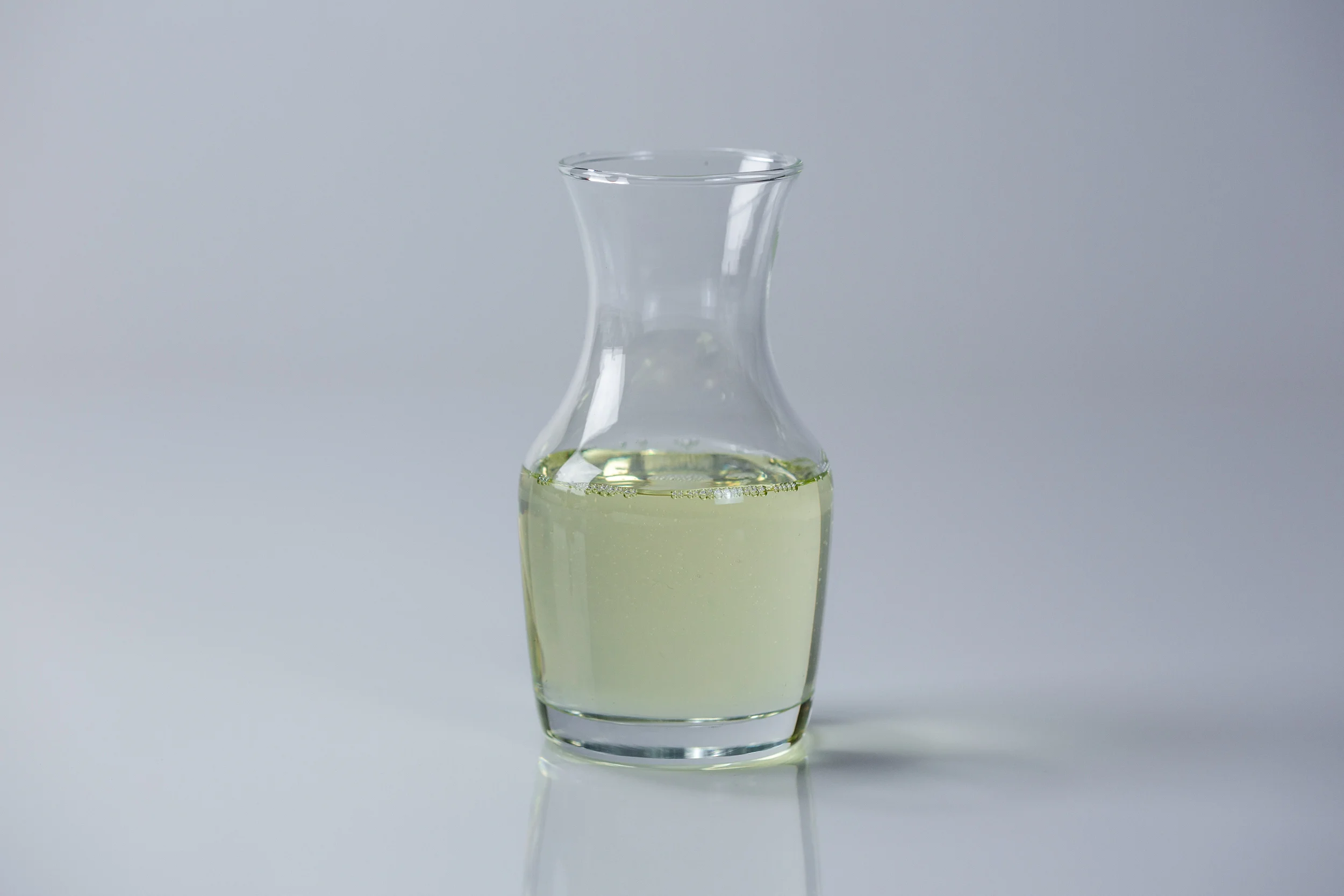
When can babies have canola oil?
Canola oil may be introduced as soon as baby is ready to start solids, which is generally around 6 months of age, when used in cooking or mixed into foods.
Canola oil is made from the seeds of the canola plant, a cultivar of rapeseed developed in Canada in the 20th century. The name “canola” comes from “Canadian oil, low acid,” reflecting its development to reduce naturally occurring compounds found in traditional rapeseed. Today, canola oil is widely used around the world due to its neutral flavor, versatility, and ability to withstand a range of cooking temperatures.
How do you serve canola oil to babies?
Cada bebé se desarrolla a su propio ritmo, y las sugerencias que ofrecemos sobre cómo cortar o preparar determinados alimentos son generalizaciones para una amplia audiencia.
6 months old +:
Use canola oil to cook vegetables, grains, eggs, fish, or meat, use in baking, or incorporate into salad dressings and marinades. Stir a small amount into baby’s purees or mashed foods to add energy and support nutrient absorption. At this age, avoid offering food fried in canola oil that is very crispy, as hard, crunchy breading is difficult for babies to chew and break down in the mouth, which increases choking risk.
18 months old +:
Use canola oil as part of regular cooking, baking, and food preparation for family meals. At this age, as long as the child has had lots of practice with chewable foods and challenging textures, they can likely manage age-appropriate pieces of food that are quite crispy or crunchy from frying in canola oil. Offer these pieces of food one at a time at first, to discourage shoveling lots of food in the mouth and, if needed, model taking a bite of the same food and chewing thoroughly with your molars.
Is canola oil a choking hazard for babies?
No. Canola oil presents a low risk when safely prepared for a child’s age and developmental ability, though, in theory, an individual could choke on any food. To reduce the risk, cook with and serve canola oil in an age-appropriate way as described in How to Serve. As always, make sure to create a safe eating environment and stay within reach of baby during meals.
Learn the signs of choking and more about choking first aid in our free guides, Infant Rescue and Toddler Rescue.
Is canola oil a common allergen?
No. Canola oil is not considered a common food allergen. Allergic reactions to rapeseed and canola are rare—even in cases of allergy, the refining process usually removes most of the allergenic proteins from the final oil.
Is canola oil safe for babies?
Yes. Canola oil is generally recognized as safe when used in typical amounts in food and infant formulas. Canola oil provides dietary fat, which is essential for babies’ growth, brain development, and absorption of fat-soluble vitamins (A, D, E, and K). It is relatively low in saturated fat and contains both omega-6 and omega-3 fatty acids, including alpha-linolenic acid (ALA), as well as vitamins E and K. As with all oils, canola oil is best used as part of a varied diet that includes a range of fat sources.
There is some debate regarding the processing of canola oil.[1] Most commercially available canola oil is highly refined, which can degrade some nutrients. For families concerned about processing, look for "cold-pressed" or "expeller-pressed" canola oil, which can offer more of the oil's nutrients. For families wishing to avoid GMOs, look for "organic" or "non-GMO project verified" labels on canola oil.
Is canola oil the same as rapeseed oil?
Canola oil comes from a specific variety of rapeseed bred to be low in certain naturally-occurring compounds. In many countries, the terms canola oil and rapeseed oil are used interchangeably.
Can canola oil be used for high-heat cooking?
Yes. Canola oil has a relatively high smoke point, making it suitable for sautéing, roasting, and baking.
Material de referencia
Start solids with confidence
- Guided Introduction to 100+ Foods
- Smart Tools to Simplify Mealtime
- Food Allergen 101
- 300+ Meal Ideas
- First Foods® Database
Start solids with confidence
- Guided Introduction to 100+ Foods
- Smart Tools to Simplify Mealtime
- Food Allergen 101
- 300+ Meal Ideas
- First Foods® Database
Consejos de expertos directo en tu correo
Suscríbete para recibir consejos semanales, recetas y más.