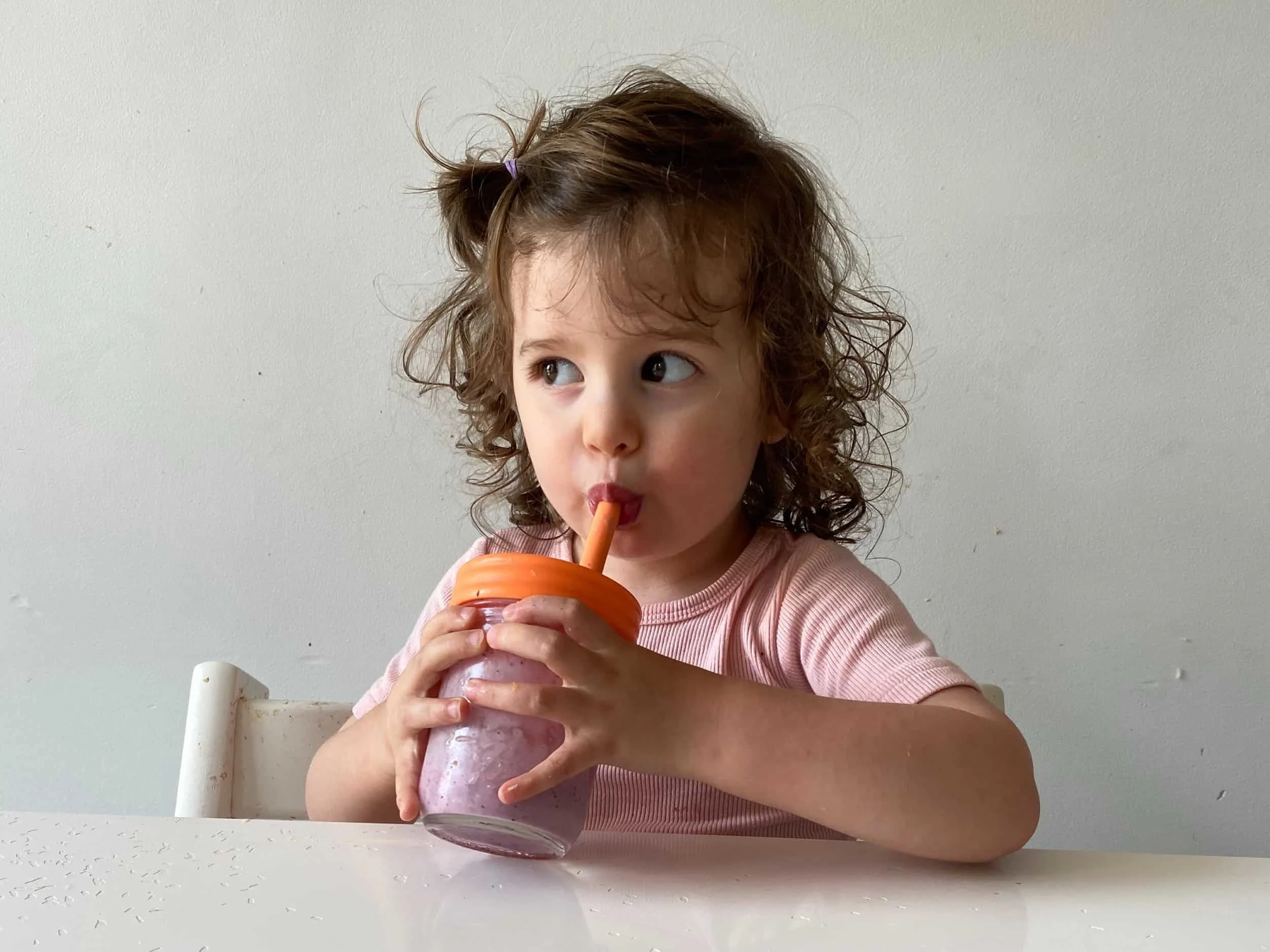
Smoothies o batidos para niños
Puntos clave
Make smoothies just one part of a healthy diet
Smoothies are a great treat once or twice a week, but also offer foods that need to be chewed. This helps toddlers practice chewing and get better at eating different textures.
Pack smoothies with foods that are high in fat, iron, and fiber
Smoothies made with sweet fruits are a great way to get toddlers to eat other healthy foods. Try adding chia seeds, nut butter, and iron-rich leafy greens like spinach.
Serve the foods in smoothies at other meal times
Hiding healthy foods in smoothies is fine, but toddlers also need to learn to eat those foods on their own. For example, if you add spinach to a smoothie, also try serving spinach at dinner. This helps them get used to how it looks, tastes, smells, and feels.
Hablando en términos generales, puedes empezar a ofrecer batidos/licuados después del primer cumpleaños de un(a) niño(a). Sin embargo, nosotros recomendamos esperar hasta más cerca de los 15-18 meses. ¿Por qué? Porque hacer la transición de beber los alimentos (ya sea del pecho o del biberón) a aprender a masticar y a tragarlos toma tiempo. Y, aunque usualmente no le damos mucha mente, ¡tener que masticar para poder tragar la comida es un trabajo laborioso e implica mucho esfuerzo! Si se les da la oportunidad, la mayoría de los bebés y niños pequeños que conocemos siempre preferirán beber la comida antes de tener que masticarla. Tu bebé *recién* ha aprendido que ahora la comida necesita masticarse y no beberse, y es por eso que es importante evitar ofrecer alimentos que se puedan hacerlos retroceder.
El otro problema con ofrecer licuados o batidos con demasiada frecuencia es que estos usualmente esconden los alimentos integrales que contienen. Claro, desde el punto de vista de la nutrición, es maravilloso que el/la bebé consuma una taza de col rizada cruda en su batido matutino. Pero ¿ayudará el batido verde a que el/la bebé se acostumbre al sabor y textura de la col rizada? No. Esta frase de una de nuestras terapeutas lo explica claramente: Está perfectamente bien ofrecerle al/a bebé calabacín en forma de muffin, pero ten en cuenta que esto le está enseñando al/a niño(a) a comer muffins, no calabacín.
Otro enfoque es limitarte a ofrecer batidos/licuados solamente una o dos veces por semana. Si el/la niño(a) está comiendo frutas y verduras en su forma natural fácilmente, entonces puedes ofrecerlos con más regularidad. Pero si el/la niño(a) se resiste a comer frutas y verduras frescas, ten cuidado de depender únicamente de los batidos o licuados para "obtener" la nutrición y, en su lugar, enfócate en construir una base más sólida con los alimentos integrales que normalmente incluirías en los batidos.
Si estás lidiando con la alimentación quisquillosa de tu hijo(a) y necesitas ideas para mejorar su nutrición, consulta nuestra guía, 50 formas de aumentar la nutrición con la alimentación quisquillosa. Los batidos son una buena estrategia, pero no son la única.
Start solids with confidence
- Guided Introduction to 100+ Foods
- Smart Tools to Simplify Mealtime
- Food Allergen 101
- 300+ Meal Ideas
- First Foods® Database
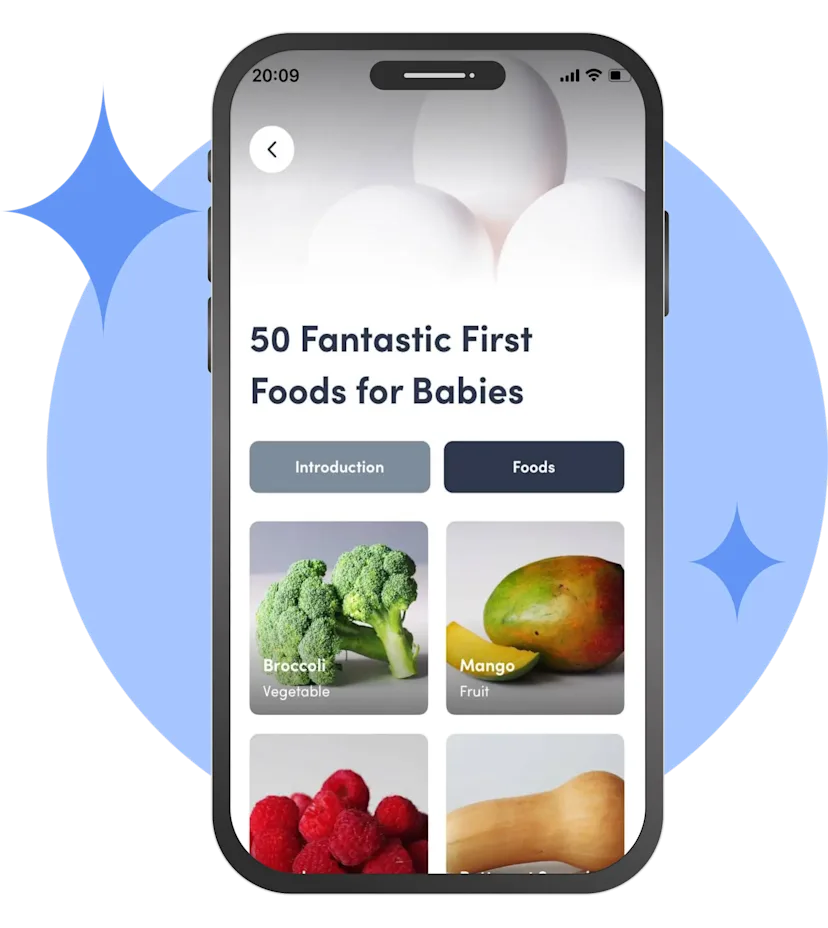
Start solids with confidence
- Guided Introduction to 100+ Foods
- Smart Tools to Simplify Mealtime
- Food Allergen 101
- 300+ Meal Ideas
- First Foods® Database