


Acceda a la base de datos First Foods® en Solid Starts App.
Leer másMenta
Hierba/Especia
Sugerencia de edades
6 meses
Alto contenido de hierro
No
Alérgeno común
No
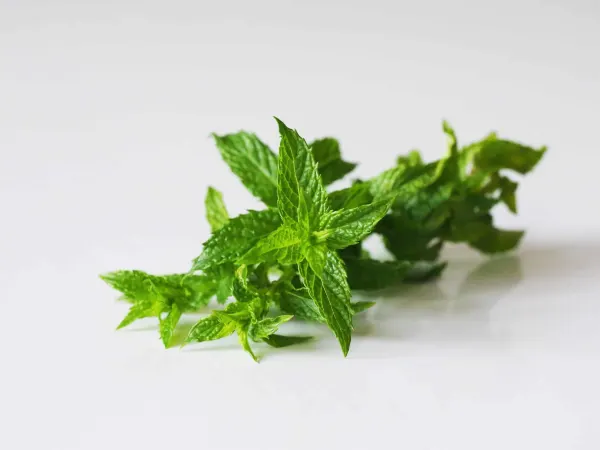
When can babies have mint?
¡Lo sentimos, esta página aún no está disponible en español! Estamos trabajando tan rápido como podemos para traducir todo nuestro contenido, gracias por tu paciencia y apoyo.
Mint may be introduced as soon as baby is ready to start solids, which is generally around 6 months of age.
Mint belongs to an extensive family of plants, and there are many varieties to try—from chocolate mint to orange mint to peppermint to spearmint and more. One thing these herbs have in common is a bright scent and cooling, slightly sweet taste that has made them a popular ingredient in foods from candies, to savory dishes, to teas.
How do you serve mint to babies?
Cada bebé se desarrolla a su propio ritmo, y las sugerencias que ofrecemos sobre cómo cortar o preparar determinados alimentos son generalizaciones para una amplia audiencia.
6 months old +:
Add finely chopped fresh mint into soft, scoopable foods or finger foods like large, soft meatballs or patties. Alternatively, serve fresh mint that has been blended into sauces and drizzle onto baby’s food.
9 months old +:
Chop fresh mint into small pieces or thin ribbons, mixed into dishes or on their own so that the child can taste the herb’s flavor. Pieces of the leaf may stick to the inside of the child’s mouth and cause some gagging or coughing. If this happens, try offering a small drink of water to help wash the pieces down. Expect lots of spitting as babies learn to manage the leaf’s challenging texture. By 18 months of age or so, you should see more consumption and less spitting of mint leaves as the molars come in and toddlers get more skilled at thoroughly chewing.
24 months old +:
Continue to serve mint chopped and mixed into dishes, in salad dressings, and in sauces. At this age, when a child shows the ability to take bites and tear larger pieces of food, you can also offer a whole, raw mint leaf to try, or dishes that contain whole or large pieces of mint leaf.
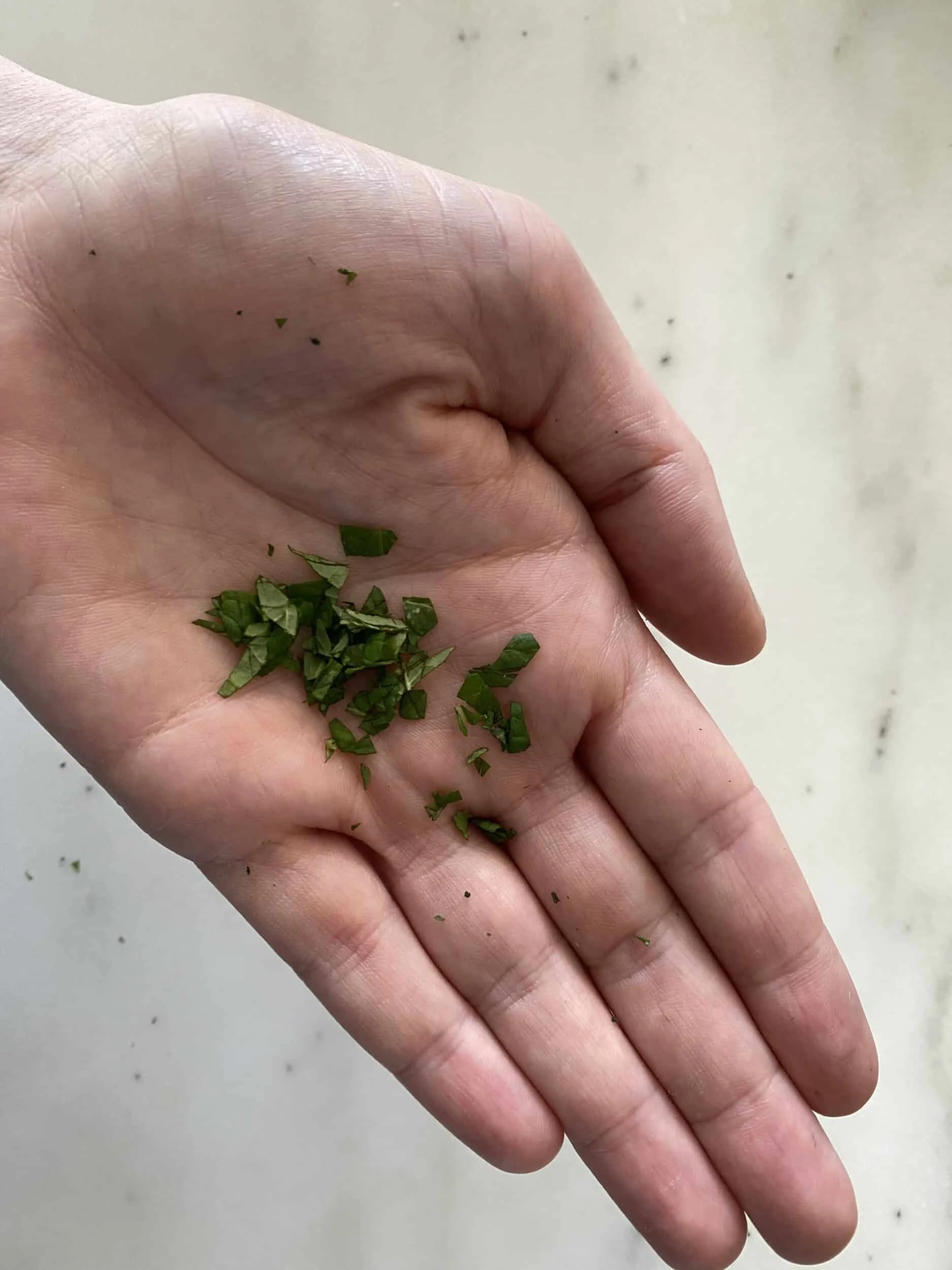
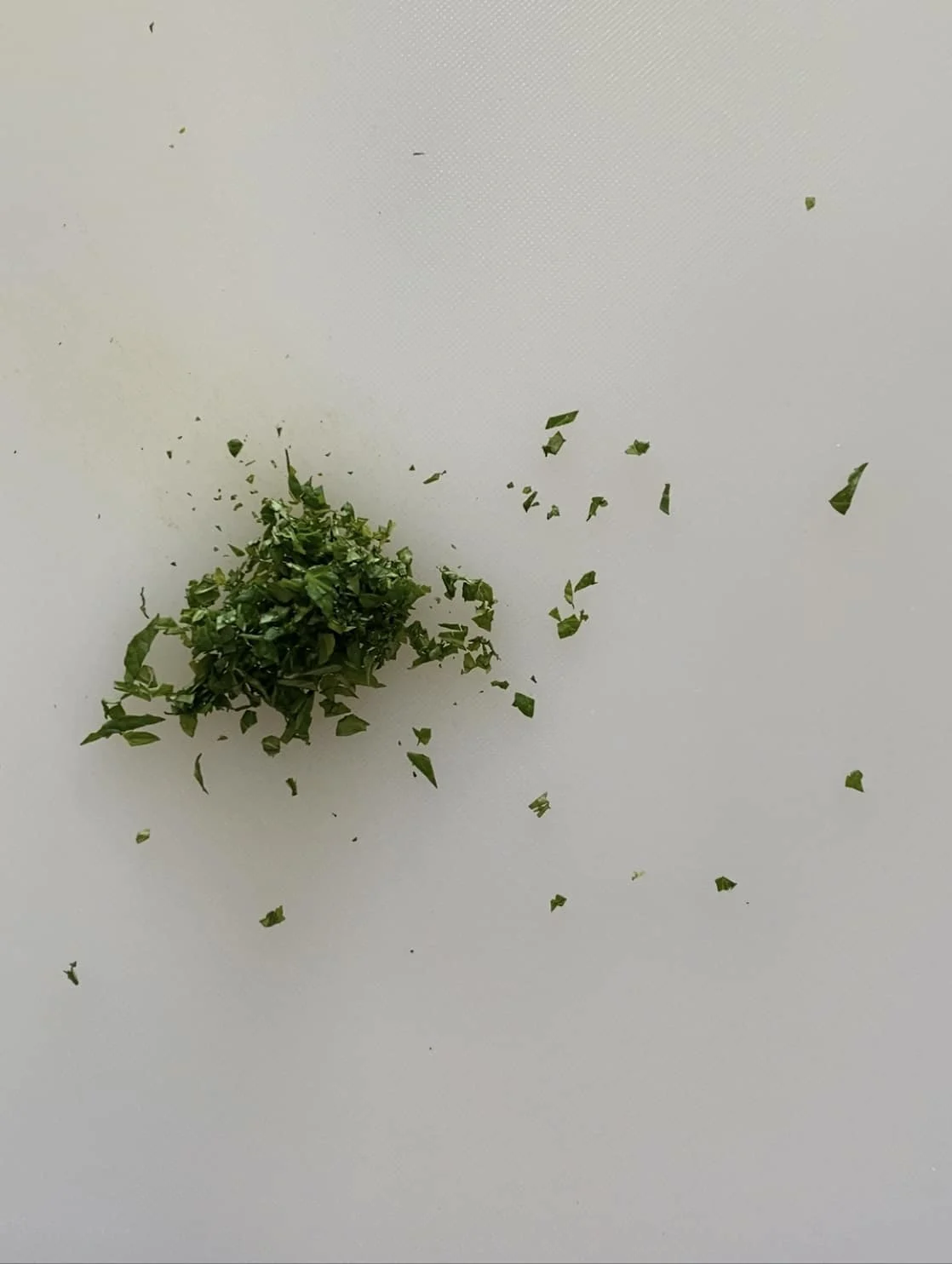
Preparing mint for babies.
Preparing mint for babies.
¡Lo sentimos, esta página aún no está disponible en español! Estamos trabajando tan rápido como podemos para traducir todo nuestro contenido, gracias por tu paciencia y apoyo.
How often should you offer solids? See our sample feeding schedules for babies of every age.
Videos
Is mint a choking hazard for babies?
No. Mint presents a low risk when safely prepared for a child’s age and developmental ability, though, in theory, an individual could choke on any food. To reduce the risk, prepare and serve mint in an age-appropriate way as described in the How to Serve section. As always, make sure you create a safe eating environment and stay within an arm’s reach of baby during meals.
Learn the signs of choking and gagging and more about choking first aid in our free guides, Infant Rescue and Toddler Rescue.
Is mint a common allergen?
No, mint is not a common food allergen. If a child is sensitive to plants of the Lamiaceae family such as basil, lavender, marjoram, oregano, sage, or thyme, take care when introducing mint, as these plants are closely related.
As you would when introducing any new food, start by offering a small quantity of mint for the first few servings. If there is no adverse reaction, gradually increase the quantity over future mealtimes.
Is mint healthy for babies?
Yes. Mint contains fiber, calcium, iron, folate, and vitamin A, along with a dash of vitamin C. Together, these nutrients support bone density, blood health, nervous system function, vision, and immunity. It also contains unique antioxidants and compounds like menthol and rosmarinic acid, which can offer anti-inflammatory and antimicrobial properties.
¿Cómo puedo calmar mis nervios al comenzar la alimentación complementaria?
Empápate del tema y practica las maniobras de rescate. Los padres y cuidadores que ven los videos de ahogamiento y rescate infantil en nuestro Pase completo de primeros alimentos a menudo comparten que se sienten mucho más seguros.
¿Cuántas comidas al día debe hacer un/a bebé?
Puede variar. En términos generales, la idea es traer al/a bebé a la mesa al menos una vez al día entre los 6 y 7 meses de edad, dos veces al día entre los 8 y 9 meses de edad y 3 veces al día a partir de los 10 meses de edad. Consulta nuestros ejemplos de horarios de alimentación para obtener más detalles.
Nuestro equipo
Escrito por

Dr. Sakina Bajowala
Pediatra general y alergóloga/inmunóloga

Kim Grenawitzke
Terapeuta ocupacional pediátrica(o), especialista en alimentación y deglución, y consultora de lactancia certificada por la junta internacional

Venus Kalami
Nutricionista y dietista pediátrico(a) registrada
Consejos de expertos directo a tu bandeja de entrada
¡Suscríbete y recibe correos semanales con recetas, consejos y más!




Copyright © 2026 • Solid Starts Inc