10 juguetes para bebés que puedes hacer tú mismo(a)
Puntos clave
Skip buying new stuff—you can turn everyday items into homemade baby toys
Babies are drawn to objects they see adults use every day, and many are safe for them to explore. Things like old wallets, tissue boxes, measuring cups, and cardboard boxes often beat store-bought toys for engagement and skill building.
DIY play builds the motor skills baby needs to eat
Activities like pulling fabric from a tissue box, dropping things into a paper towel tube, and scooping with measuring cups build the hand and body coordination they need to pick up food and bring it to their mouth.
DIY baby toys are safe but stay close in case they need help
It is important to monitor baby and keep them within your reach when they are playing with toys.
¡Lo sentimos, esta página aún no está disponible en español! Estamos trabajando tan rápido como podemos para traducir todo nuestro contenido, gracias por tu paciencia y apoyo.
When it comes to babies, the very best gifts are often those household items just sitting around in plain sight! Babies and toddlers love to use things they see YOU use day-to-day. And it need not require an entire afternoon of crafting! Here are 10 of our favorite DIY toys and activities you can make or use from items around the house.
if baby is just getting ready to start solids, check out our page on Readiness as well as our guides and videos on starting solids with real food.
10 DIY Toys to Advance Baby's Motor Skills
Disclaimer: Be sure to always supervise small babies when playing with items that may be considered choking hazards.
1. Old Wallet with Playing Cards
Don’t throw away that old wallet! Put some playing cards in and show your baby how to take the cards out and put them back in.
2. Empty Make Up Containers
Clean out an old makeup container (making sure it’s completely clean and washed) and show your babe how to open it. Once they figure it out, they’ll love it!
3. Tissue Pull
The tissue pull is an all-time favorite activity. Instead of letting baby pull all the wipes out of the container, you can recreate this at home with an old tissue box. Once the box is empty of tissue, you can cut strips of fabric from blankets or clothes in the box for one fun pull after another. This is a great way to work on the developing pincer grasp from 9 to 12 months.
4. Cardboard Tunnel
If you have some old moving boxes, appliance boxes, or the large size diaper boxes, you can open up each side of the box and have a short tunnel. Crawling promotes shoulder stability and is awesome for hand development as well. This will help with the refined movements of bringing food from the plate to the mouth.
5. Homemade Shaker
Buying lentils or rice in bulk? Maybe you can spare a few and put into an empty toilet paper roll. If you clamp the ends and cover with tape, you can make a container that is now a music maker! Another option is to use an empty spice container. Lots of fun awaits with this DIY shaker.
6. Crinkle Paper
Parchment paper is perfect for making crinkle paper. You can cut into squares and cover in cloth like a reusable plastic bag. You can draw on the paper with markers to make it more visually appealing. The crunching will help build the tiny muscles of the hands.
7. Wool Balls
These are a favorite for a dryer sheet replacement. If you already have them, they provide great sensory experience, but also allow for practicing precise movements. You can have baby drop into wide containers and small containers.
8. Kitchen Measuring Cups
Pouring cups are actually a common bath toy. Instead of just using the cups in the bath, you can use the dry measuring cups to scoop rice, lentils, or whatever else you have in the kitchen. To practice more refined movements, you can also use measuring spoons.
9. Straw Pull
Pulling straw out of a container or bowl can also help with pincer grasp. Depending on the size of the straws you can practice multiple precision grasps. Practice makes progress!
10. Edible Finger Paint
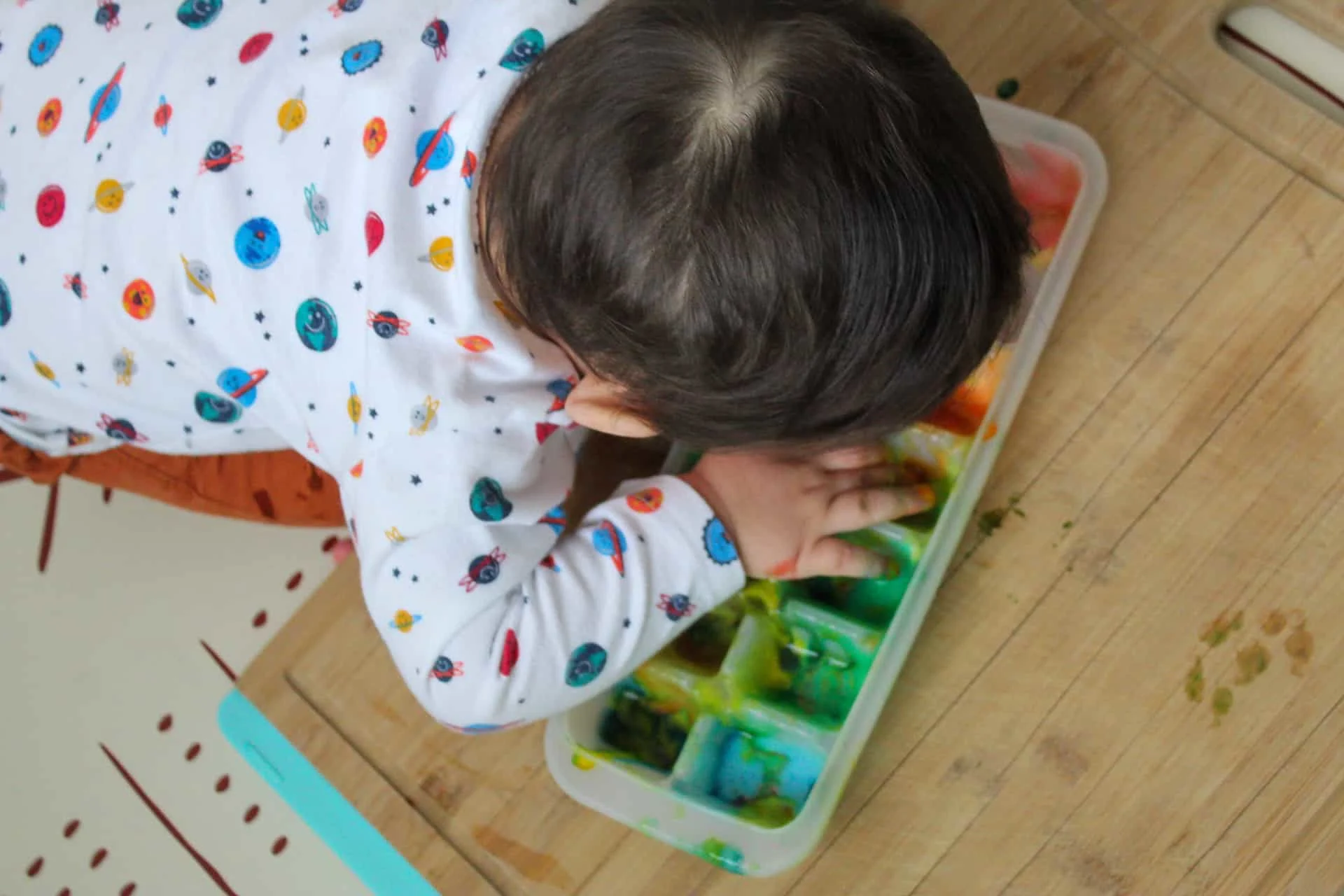
This is a great way to explore texture on the hands and also finger isolation. There are many recipes available, and you can always swap the traditional food coloring for natural versions (blackberries, beets, turmeric, etc.).
Start solids with confidence
- Guided Introduction to 100+ Foods
- Smart Tools to Simplify Mealtime
- Food Allergen 101
- 300+ Meal Ideas
- First Foods® Database

Start solids with confidence
- Guided Introduction to 100+ Foods
- Smart Tools to Simplify Mealtime
- Food Allergen 101
- 300+ Meal Ideas
- First Foods® Database