Food Protein-Induced Enterocolitis Syndrome (FPIES) in Babies
Learn about food protein-induced enterocolitis syndrome (FPIES) in infants: common triggers like rice and milk, delayed vomiting/diarrhea symptoms, diagnosis tips, and safe management strategies for parents.
Puntos clave
FPIES is a delayed food allergy that causes vomiting, diarrhea, and dehydration
Unlike classic IgE allergies that cause immediate symptoms like hives or wheezing, FPIES brings on delayed vomiting and sometimes diarrhea (usually 1 to 4 hours after eating).
A handful of foods cause most reactions
Cow's milk, soy, oats, and rice are among the most common triggers, though this varies by region. Most babies with FPIES react to only one or two foods and don't need to avoid or delay introducing every recognized trigger unless their doctor recommends it.
Most children outgrow FPIES
Most children outgrow FPIES in early childhood. With support from your child's healthcare team, management includes avoiding known triggers, having a clear plan for reactions, and continuing to expand baby's diet.
Food protein-induced enterocolitis syndrome (FPIES) is an increasingly recognized delayed food allergy that affects the gastrointestinal system. Our pediatric pros explain what foods commonly trigger FPIES—and how to know if your baby has it.
What is FPIES?
FPIES, or food protein-induced enterocolitis syndrome, is a food allergy that affects the gastrointestinal system, causing vomiting and sometimes diarrhea. Unlike classic food allergy reactions that frequently occur within minutes of eating an allergenic food, FPIES reactions don’t begin until hours after consuming a particular food trigger. For this reason, FPIES is sometimes known as a delayed food allergy or non-IgE-mediated food allergy.
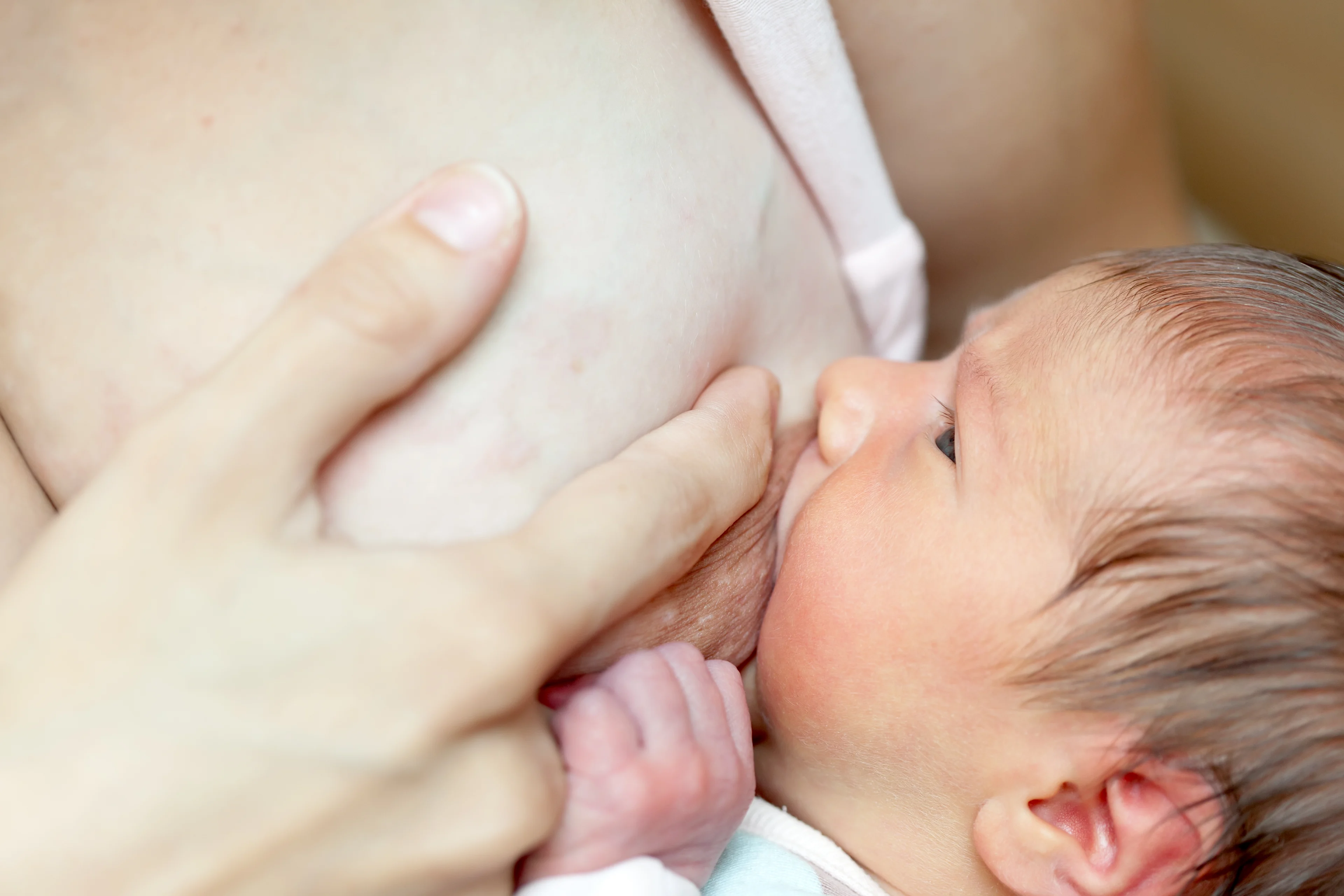
FPIES is rare in exclusively-breastfed infants, but is more commonly identified in formula-fed babies who are reacting to an ingredient in the formula.[1] [2]The classic presentation of FPIES is an infant who recently switched from breast milk to formula or who has started solid food. A baby with FPIES typically begins vomiting between 1 to 4 hours and may also develop diarrhea between 5 to 10 hours after eating the trigger food. Other symptoms can include low blood pressure, low body temperature, extreme pallor, and significant dehydration.
Symptoms of FPIES
Acute FPIES
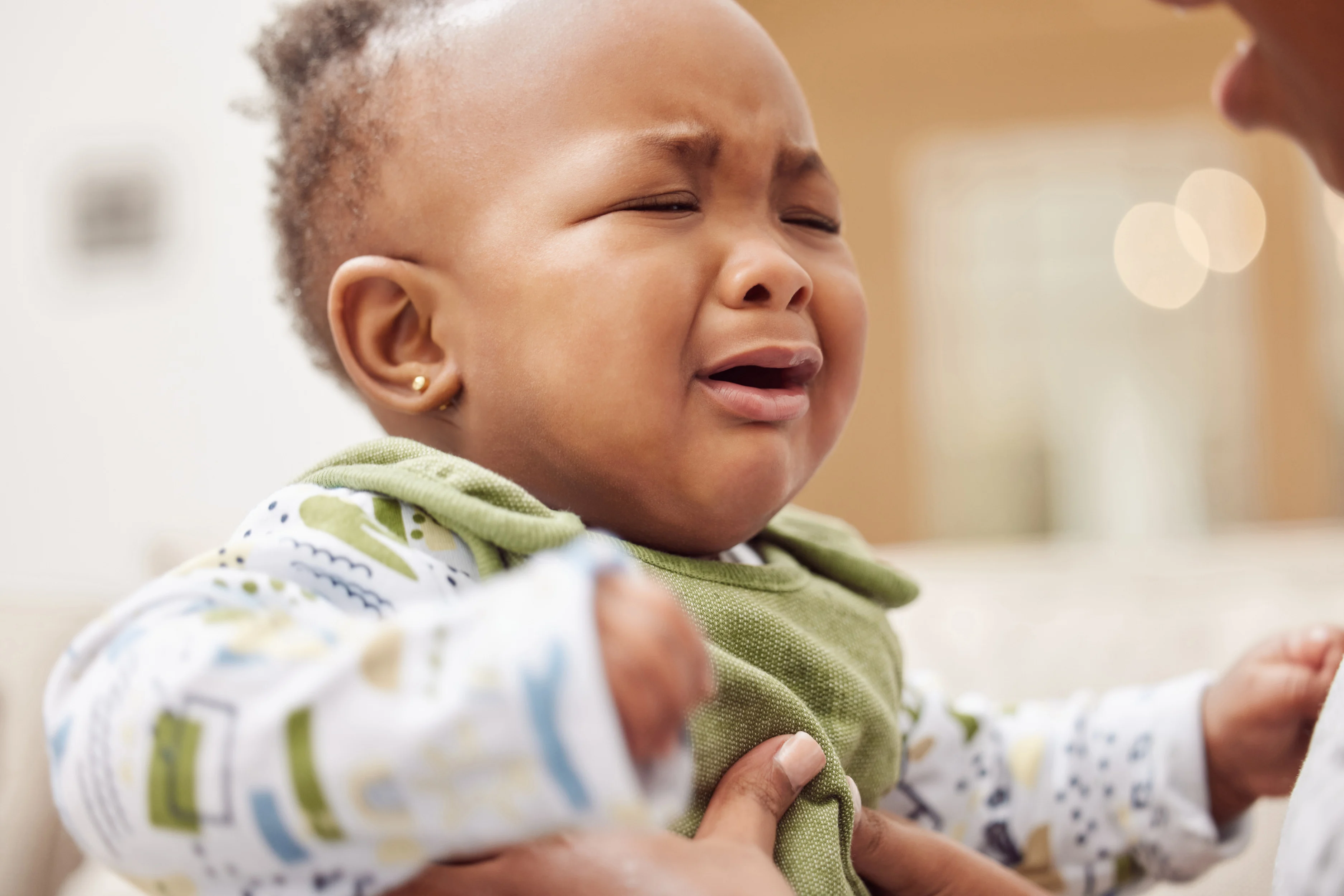
The most common symptoms of FPIES are vomiting and diarrhea, and these are frequently seen in other childhood illnesses. Because an FPIES reaction is delayed, sometimes it is misunderstood to be a stomach bug, rather than an allergic reaction to a food eaten hours earlier. FPIES is often identified when symptoms occur again after eating the same food at a later date.
Symptoms of Acute FPIES Reaction in Babies
Symptom | Timing |
|---|---|
vomiting (often repetitive) | 1 to 4 hours after ingestion |
low blood pressure | 1 to 4 hours after ingestion |
low body temperature | 1 to 4 hours after ingestion |
extremely pale appearance | 1 to 4 hours after ingestion |
significant dehydration | 1 to 4 hours after ingestion |
diarrhea | 5 to 10 hours after ingestion |
Chronic FPIES
Chronic FPIES is usually seen in younger babies, typically in infants who are fed formula containing cow’s milk or soy, which are common FPIES trigger foods.
Symptoms of chronic FPIES are more persistent, and appear when larger quantities of a trigger food are consistently consumed, which is typical with infant formula. When a baby has chronic FPIES, they may develop progressive vomiting and frequent diarrhea (often with blood in the stool). If left untreated, they may become dehydrated, gain weight slowly, and suffer from metabolic acidosis (when the body has too much acid).
Regularly eating small quantities of a trigger food can result in vomiting and diarrhea that reoccur, but are not consistent. This can happen with breastfed babies, who may react to traces of an FPIES trigger food in breast milk hours after nursing, but may not react the next time they feed. In these cases, chronic FPIES can lead to slower-than-normal weight gain, while dehydration and acidosis are less common.
Symptoms of chronic FPIES generally improve within 3 to 10 days of elimination of the trigger food from the diet.
FPIES Trigger Foods
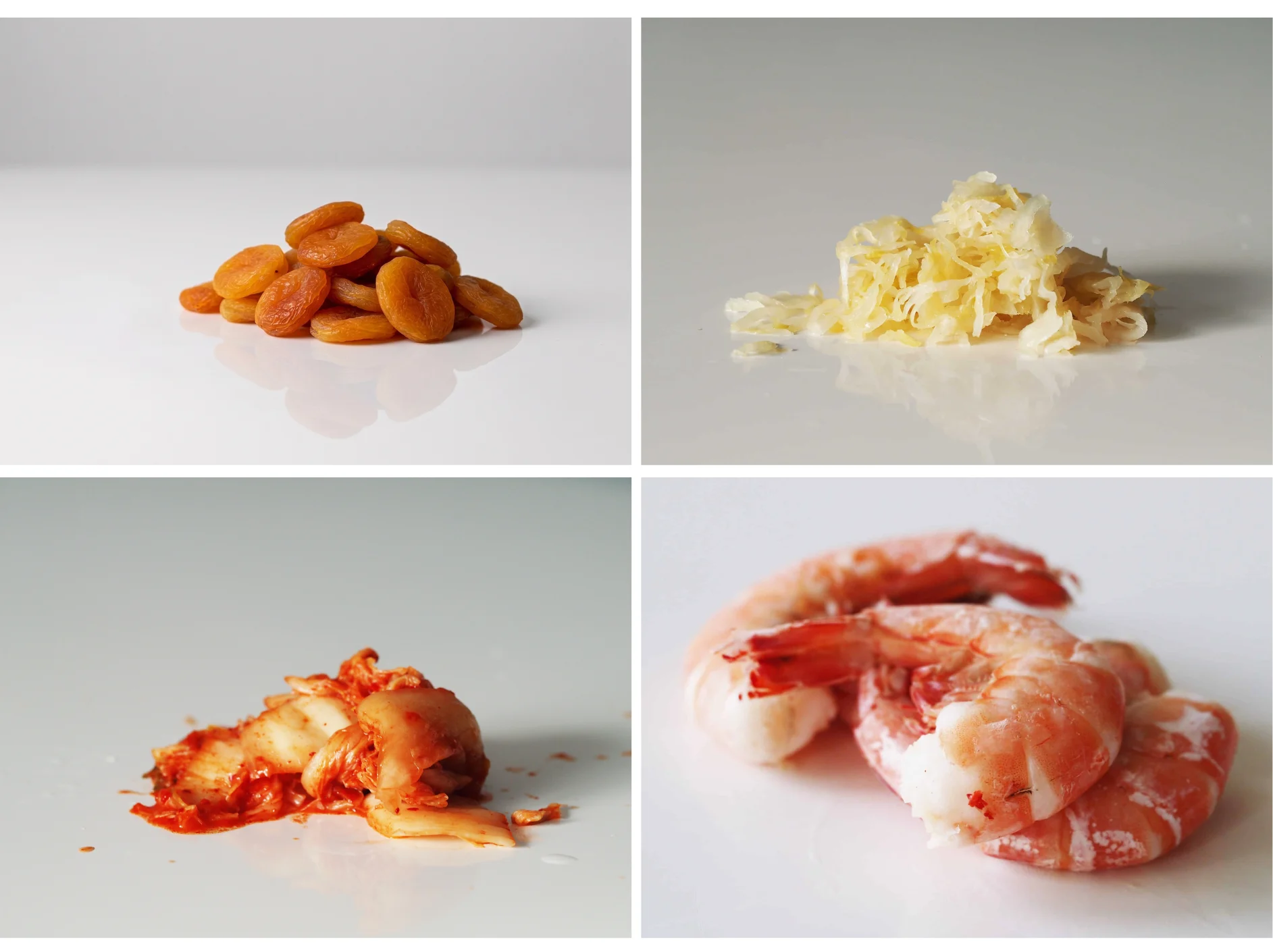
Common foods that trigger FPIES vary by region, reflecting differences in foods typically introduced during infancy and early childhood. The most common food triggers of FPIES are cow’s milk products (including infant formula), soy, oats, and rice, followed by other foods such as avocado, banana, barley, eggs, green beans, peas, meats, poultry, seafood, squash, and sweet potatoes.
As families have started introducing peanut earlier in infancy, it has emerged as an increasingly recognized trigger for FPIES, though it is still not common. More research is needed in this area to balance the importance of prevention of IgE-mediated peanut allergy with this demonstrated increase in peanut-triggered FPIES.[3]
Most babies with FPIES are triggered by only 1 or 2 food types.
Babies with FPIES do not need to delay the introduction of all commonly recognized FPIES triggers as they start solids, nor do they need to eliminate all commonly recognized FPIES triggers from their diets, especially if they are already eating that food without issue.
Commonly Recognized FPIES Trigger Foods for Babies
Food Type | Trigger Foods |
|---|---|
Dairy | butter, cheese, cow's milk, infant formula, yogurt |
Egg | chicken egg |
Grains | barley, corn, oats, rice |
Meat | beef (and sometimes pork and lamb) |
Legumes | pea, peanut, soy (milk, tofu, tempeh, yogurt) |
Poultry | chicken, turkey |
Seafood | fish, shellfish (more common in adults) |
Fruits & Vegetables | avocado, banana, green bean, squash, sweet potato |
How to Test for FPIES
There are no validated tests to confirm the diagnosis of FPIES. Standard allergy tests, like skin prick tests or blood tests for an IgE allergy, are usually negative in FPIES because it’s a different type of immune reaction. Rather, FPIES is a clinical diagnosis, made after a detailed history, physical examination, and testing have ruled out other conditions.
If an FPIES diagnosis is in doubt, or if a baby is suspected to have outgrown an FPIES allergy, doctors may recommend a medically supervised oral challenge to the suspected trigger food. Vomiting during the challenge would confirm the diagnosis or persistence of the FPIES allergy. However, if the challenge food is well-tolerated, the food can typically be reintroduced into the diet.
FPIES Treatment
Treatment for FPIES is different from the treatment of IgE-mediated allergies. For acute FPIES reactions, preventing dehydration and shock are the immediate priority, with anti-nausea medications to halt vomiting, oral and intravenous rehydration to replace fluids lost from vomiting and diarrhea, and in some cases, steroids to reduce inflammation. Your doctor can help you create a plan to temporarily remove the FPIES trigger food from the diet and eventually reintroduce it.
Thankfully, most cases of FPIES will completely resolve during toddlerhood. However, FPIES to seafood unfortunately tends to be life-long. Babies with FPIES should be under the care of an allergist/immunologist and are best served by a multidisciplinary team that also includes their general pediatrician or family practitioner, a pediatric gastroenterologist, and a registered dietitian.
Material de referencia
Start solids with confidence
- Guided Introduction to 100+ Foods
- Smart Tools to Simplify Mealtime
- Food Allergen 101
- 300+ Meal Ideas
- First Foods® Database
Start solids with confidence
- Guided Introduction to 100+ Foods
- Smart Tools to Simplify Mealtime
- Food Allergen 101
- 300+ Meal Ideas
- First Foods® Database