
Pepino
Verdura
- Edad sugerida
- 6 meses
- Rico en hierro
- No
- Alérgeno común
- No
¿Cuándo puede tu bebé comer pepino?
El pepino se puede introducir en cuanto tu bebé esté listo(a) para empezar a comer alimentos sólidos, lo que suele ocurrir alrededor de los 6 meses de edad.
El pepino es originario del sudeste asiático y hoy se cultiva en todo el mundo dondequiera que el clima sea soleado y cálido. Hay muchísimas variedades para probar: pepinos persas pequeños y de piel fina, pepinos japoneses extra largos, pepinos limón redondos, pepinos ingleses sin semillas y los omnipresentes pepinos Kirby, por nombrar solo algunos.
¿Cómo se sirve el pepino a tu bebé?
Cada bebé se desarrolla a su propio ritmo, y las sugerencias que ofrecemos sobre cómo cortar o preparar determinados alimentos son generalizaciones para una amplia audiencia.
6 meses +:
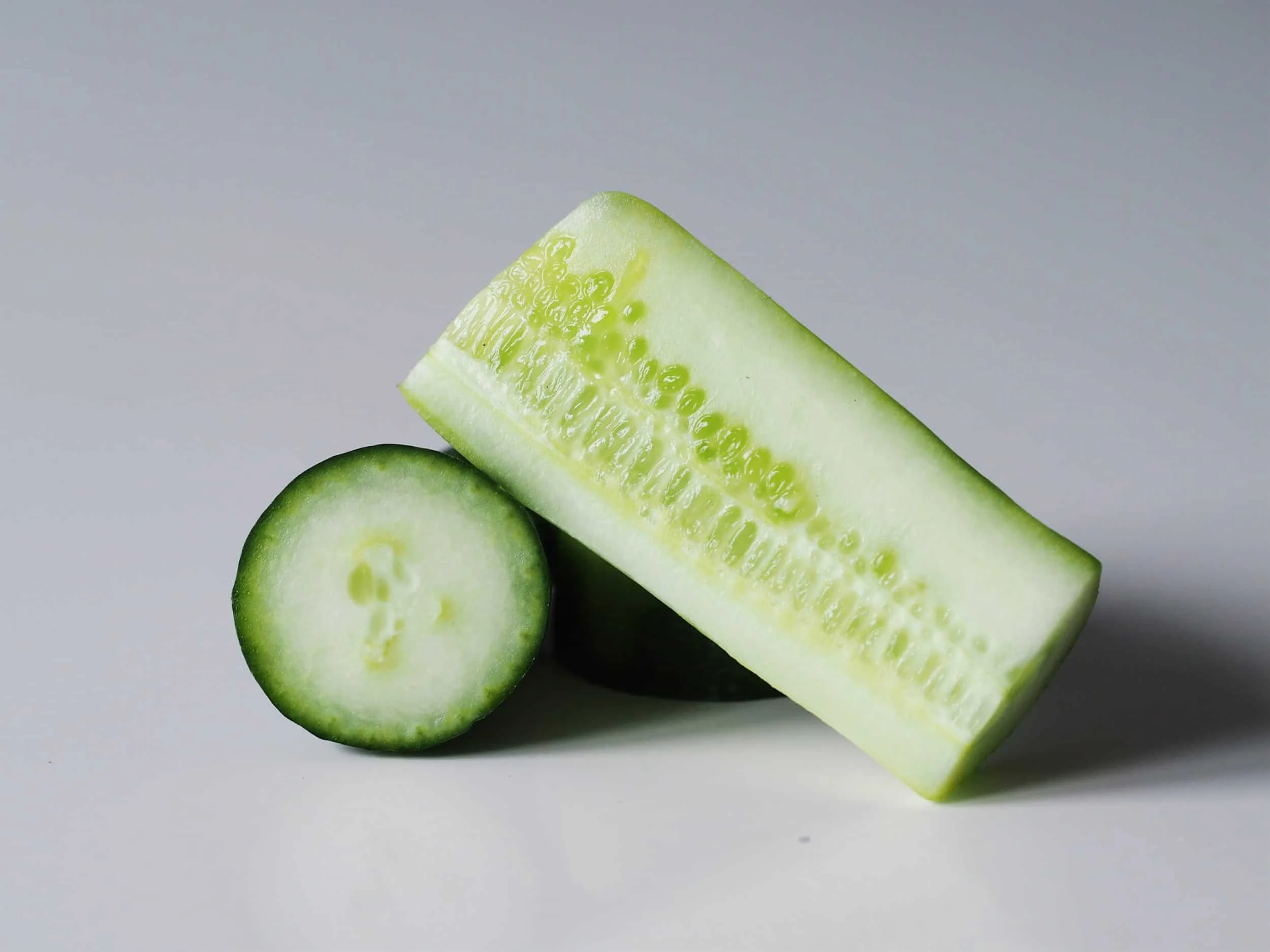
Ofrécele la mitad de un pepino grande que se haya vuelto a cortar por la mitad a lo largo, con la cáscara puesta. Esta forma de "barco" es fácil de sujetar para tu bebé y de mover dentro de la boca de manera independiente, lo que desarrolla la habilidad y la conciencia de cómo funciona la boca. Dejar la cáscara puesta ayuda a reducir el riesgo de atragantamiento, pues hace que el alimento sea menos resbaloso, más fácil de sujetar para tu bebé y más difícil de morder en trozos. Si te sientes cómodo(a), también puedes servir un pepino persa entero, una variedad más pequeña también conocida como mini-pepino, con los extremos redondeados cortados.
Otra opción es servir pepino rallado mezclado con alimentos que se puedan recoger con cuchara, como el yogur, u ofrecer rectángulos largos y anchos (cortados en láminas finas) de pepino grande con o sin cáscara. Las láminas deben ser lo suficientemente gruesas para que no se doblen cuando tu bebé las sostenga. Para ayudar a tu bebé a agarrar el rectángulo, sostenlo verticalmente en el aire frente a tu bebé y deja que intente tomarlo. Si tu bebé logra morder un trozo grande, mantén la calma y deja que lo maneje a su propio ritmo. Si es necesario, tu bebé puede escupir, tener arcadas o toser para expulsar el trozo, lo cual es perfectamente normal en esta etapa.
¿Te preocupan las semillas? Trata de no preocuparte. Las semillas del pepino no representan un peligro de atragantamiento y, como están integradas en la pulpa del pepino, el riesgo de aspiración o atragantamiento es bajo.
9 meses +:
Una vez que tu bebé tenga una pinza funcional (cuando se juntan las puntas del pulgar y del índice), ofrécele rebanadas finas en forma de media luna, o haz trozos pequeños y planos cortando las medias lunas por la mitad otra vez. Quitar la cáscara puede ayudar a que coma más, aunque no es necesario retirarla, y las semillas no son motivo de preocupación. También puedes seguir sirviendo pepino rallado o un pepino grande cortado por la mitad a lo largo, con la cáscara aún puesta, para practicar el morder y el desgarrar.
Si preparas una comida que lleva rodajas finas de pepino, no dudes en compartirlas con tu bebé. Es probable que tu bebé no coma mucho cuando le sirvas estas rodajas finas, pero si la familia suele comer el pepino servido de esta forma, compartir una rodaja es una buena manera de dejar que tu bebé explore los sabores de la comida familiar. Mantener las rodajas lo suficientemente gruesas para que no queden blandas fomentará el morder y evitará que tu niño(a) se meta el trozo entero de comida en la boca. Si tu bebé sí se mete la rodaja entera en la boca, dale un minuto para que la maneje y, si es necesario, comienza a enseñarle a escupirla.
12 meses +:
Sirve el pepino en rodajas finas, medias lunas finas y rebanadas rectangulares largas y finas, con o sin cáscara. Espera para servir trozos del tamaño de un bocado o bastones de pepino (que pueden romperse en trozos) a esta edad, ya que estas formas representan un alto riesgo de atragantamiento.
18 meses +:
Explora una variedad de cortes, con o sin cáscara: rebanadas rectangulares finas, rodajas finas, medias lunas finas, o corta las medias lunas por la mitad otra vez. Si tu niño(a) ya tiene experiencia con el morder y el desgarrar, puedes considerar ofrecerle pepinos persas o mini pepinos enteros con los extremos redondeados cortados, o bastones largos cortados de un pepino más grande con los extremos puntiagudos cortados. Cortar los extremos puntiagudos del bastón (que se asemejan más en tamaño a la vía respiratoria del niño(a)) puede reducir el riesgo de atragantamiento. Enséñale a tu niño(a) a dar mordidas pequeñas mostrándole cómo se hace: cuando tengas su atención, da un mordisco despacio y mastica con los dientes de forma exagerada para que tu niño(a) pueda observar y aprender. Asegúrate de mantener un entorno seguro para comer y termina la actividad si tu niño(a) se distrae o no permanece sentado(a). Espera para servir cubos o trozos de pepino del tamaño de un bocado a esta edad, ya que esta forma requiere una capacidad considerable de trituración para deshacerla. Los trozos más planos siguen representando un menor riesgo de atragantamiento.
Videos
¿El pepino es un peligro de atragantamiento para tu bebé?
Sí. El pepino crudo es firme, resbaloso, chicloso y a menudo se corta en formas que se estrechan, cualidades que aumentan el riesgo de atragantamiento. Para reducir el riesgo, prepara y sirve el pepino de una forma apropiada para la edad, como se describe en la sección Cómo servir. CoComo siempre, crea un entorno seguro para comer y mantente al alcance de tu bebé durante las comidas.
Conoce las señales de atragantamiento y más sobre los primeros auxilios para el atragantamiento en nuestras guías gratuitas, Rescate para bebés y Rescate para niños(as) pequeños(as).
¿El pepino es un alérgeno común?
No. Allergies to cucumbers are rare, though individuals with Oral Allergy Syndrome who are allergic to ragweed may be sensitive to cucumber.[1] El síndrome de alergia oral suele causar comezón o ardor de corta duración en la boca y es poco probable que provoque una reacción peligrosa.
Como lo harías al introducir cualquier alimento nuevo, comienza ofreciendo una cantidad pequeña en las primeras porciones. Si no hay una reacción adversa, aumenta la cantidad poco a poco en las comidas siguientes.
¿El pepino es saludable para tu bebé?
Sí. El pepino aporta algo de fibra y vitaminas C y K, nutrientes que ayudan a favorecer la hidratación, la digestión, la cicatrización de heridas y la coagulación de la sangre. También contiene una pizca de calcio, hierro, folato y zinc para favorecer la salud de los huesos, los glóbulos rojos, el sistema nervioso y el sistema inmunitario. El pepino también contiene antioxidantes que pueden ayudar a reducir la inflamación y el estrés en el cuerpo.
¿Cuándo puede tu bebé comer pepinillos encurtidos?
Tu bebé puede comer pepinos encurtidos (pepinillos) en cuanto esté listo(a) para los alimentos sólidos desde el punto de vista del desarrollo, por lo general alrededor de los 6 meses de edad. Reduce el riesgo de atragantamiento ofreciendo pepinillos cortados en formas seguras para la edad y la habilidad para comer de tu niño(a). Ten en cuenta que los pepinos y otras verduras encurtidos rápidamente pueden ser más firmes y representar un mayor riesgo que los que se han conservado comercialmente o fermentado durante más tiempo en casa.
Material de referencia
Start solids with confidence
- Guided Introduction to 100+ Foods
- Smart Tools to Simplify Mealtime
- Food Allergen 101
- 300+ Meal Ideas
- First Foods® Database
Start solids with confidence
- Guided Introduction to 100+ Foods
- Smart Tools to Simplify Mealtime
- Food Allergen 101
- 300+ Meal Ideas
- First Foods® Database
Consejos de expertos directo en tu correo
Suscríbete para recibir consejos semanales, recetas y más.