
Wakame
Verdura
- Edad sugerida
- 6 meses
- Rico en hierro
- No
- Alérgeno común
- No
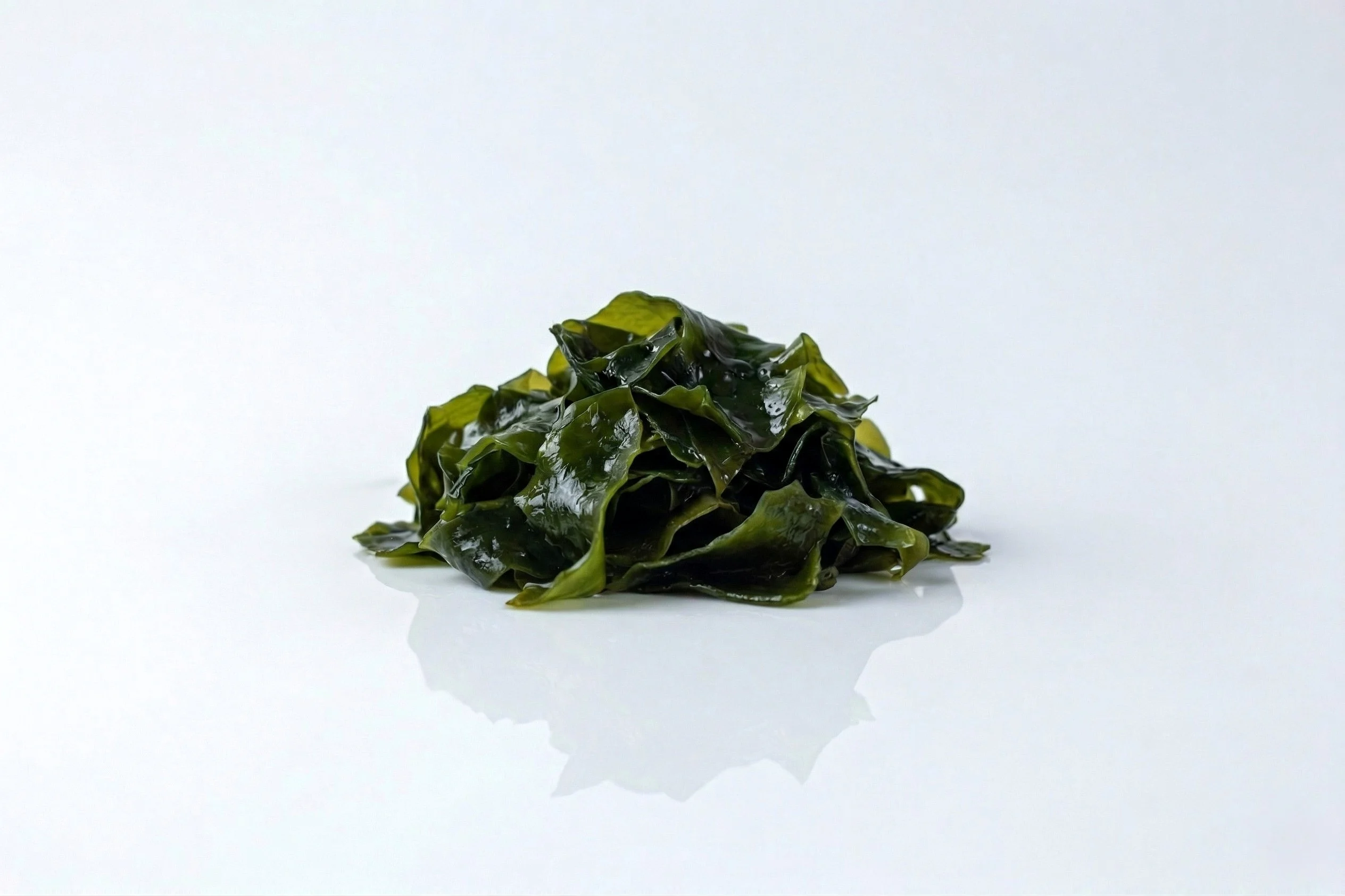
When can babies have wakame?
Wakame may be introduced as soon as baby is ready to start solids, which is generally around 6 months of age, as long as it is prepared in an age-appropriate way. Serve in moderation as part of a varied diet, as wakame contains concentrated levels of iodine, which can cause illness when consumed in excess.[1] [2]
Wakame is a species of edible kelp native to the cold coastal waters of Japan, Korea, and China, where it has been cultivated and eaten for thousands of years. In Japanese, wakame translates loosely to "young seaweed," a nod to its soft texture compared to other sea vegetables. Today, wakame is enjoyed around the world and is perhaps best known as the seaweed found in miso soup and seaweed salad.
How do you serve wakame to babies?
Cada bebé se desarrolla a su propio ritmo, y las sugerencias que ofrecemos sobre cómo cortar o preparar determinados alimentos son generalizaciones para una amplia audiencia.
6 months old +:
Rehydrate dried wakame in water until fully softened, then finely chop and stir into scoopable foods like congee, silken tofu, or soups and stews for baby to scoop with their hands or eat from a pre-loaded spoon, or incorporate into fish cakes, egg strips, veggie patties, and other finger foods. Hold off on serving wakame stems, which tend to be more firm, due to increased choking risk.
9 months old +:
Chopped, soft, rehydrated wakame leaf can be offered on its own as a finger food for baby to pick up, or mixed into a variety of meals, such as miso soup, congee, rice balls or fish cakes, noodle soups, and simple seaweed salads. The pieces of soft seaweed can stick to baby’s tongue or the inside of their mouth as they eat, which can cause baby to gag or spit out the food. This is normal, but you can offer a small drink of water to help wash down any sticky pieces of food if you’d like.
18 months old +:
Wakame can be served in most preparations as desired. Once the child has molars and a good amount of experience chewing challenging textures, you can offer wakame stems as well (which are thicker and chewier than the leaf). Continue to expect the child to spit out pieces of leaf or stem, although closer to age 2 you should start to see less spitting and more consumption of wakame.
Videos
Is wakame a choking hazard for babies?
No. Wakame presents a low choking risk when safely prepared for a child's age and developmental ability, though, in theory, an individual could choke on any food. To reduce the risk, prepare and serve wakame in an age-appropriate way as described in How to Serve. As always, create a safe eating environment and stay within reach of baby during meals.
Learn the signs of choking and more about choking first aid in our free guides, Infant Rescue and Toddler Rescue.
Is wakame a common allergen?
No, wakame is not a common allergen. Furthermore, individuals who are allergic to fish or shellfish should be able to eat seaweed as long as there has been no cross-contact with the seafood.[3] Of note, many processed edible seaweeds do contain sesame, a common food allergen, and may also contain other common allergens such as soy or wheat.
Is wakame healthy for babies?
Yes, in moderation as part of a varied diet due to wakame’s high levels of iodine. While iodine is essential for health, it can cause illness when consumed in excess.[1] [2] Wakame offers a range of nutrients that support infant health, including calcium, magnesium, and folate. It also contains small amounts of protein and fiber.
Wakame, especially in prepared forms like miso soup or seasoned seaweed salad, can be high in sodium, but sharing meals, even if those meals contain some salt, can bring baby into their family food culture as soon as they are ready to start solids, which has other benefits. Family meals are opportunities for baby to explore a wide variety of food, practice eating food with different colors, flavors, and textures, and get comfortable with food that the rest of the family likes to eat.
Avoid sharing seaweed powders or seaweed supplements with baby, as these products can have excessive amounts of iodine.
Can babies eat miso soup with wakame?
Yes, with some modifications. Make sure the wakame in the soup is fully softened and cut into small pieces before serving to babies 6 months and up. Miso soup can be high in sodium, so offer it in moderation when sharing with babies.
Can babies eat seaweed salad?
Yes, when prepared in an age-appropriate way. Around 9 months of age or whenever baby has a working pincer grasp, you can try serving seaweed salad made from chopped pieces of wakame leaf. Check that any allergens in the dressing, such as soy or sesame, have been safely introduced beforehand. Hold off on seaweed salad made from wakame stems until a child is closer to 18 months of age, when they have molars and chewing experience to manage this challenging texture.
Material de referencia
Start solids with confidence
- Guided Introduction to 100+ Foods
- Smart Tools to Simplify Mealtime
- Food Allergen 101
- 300+ Meal Ideas
- First Foods® Database
Start solids with confidence
- Guided Introduction to 100+ Foods
- Smart Tools to Simplify Mealtime
- Food Allergen 101
- 300+ Meal Ideas
- First Foods® Database
Consejos de expertos directo en tu correo
Suscríbete para recibir consejos semanales, recetas y más.