
Vegetable Stock
Verdura
- Edad sugerida
- 6 meses
- Rico en hierro
- No
- Alérgeno común
- No
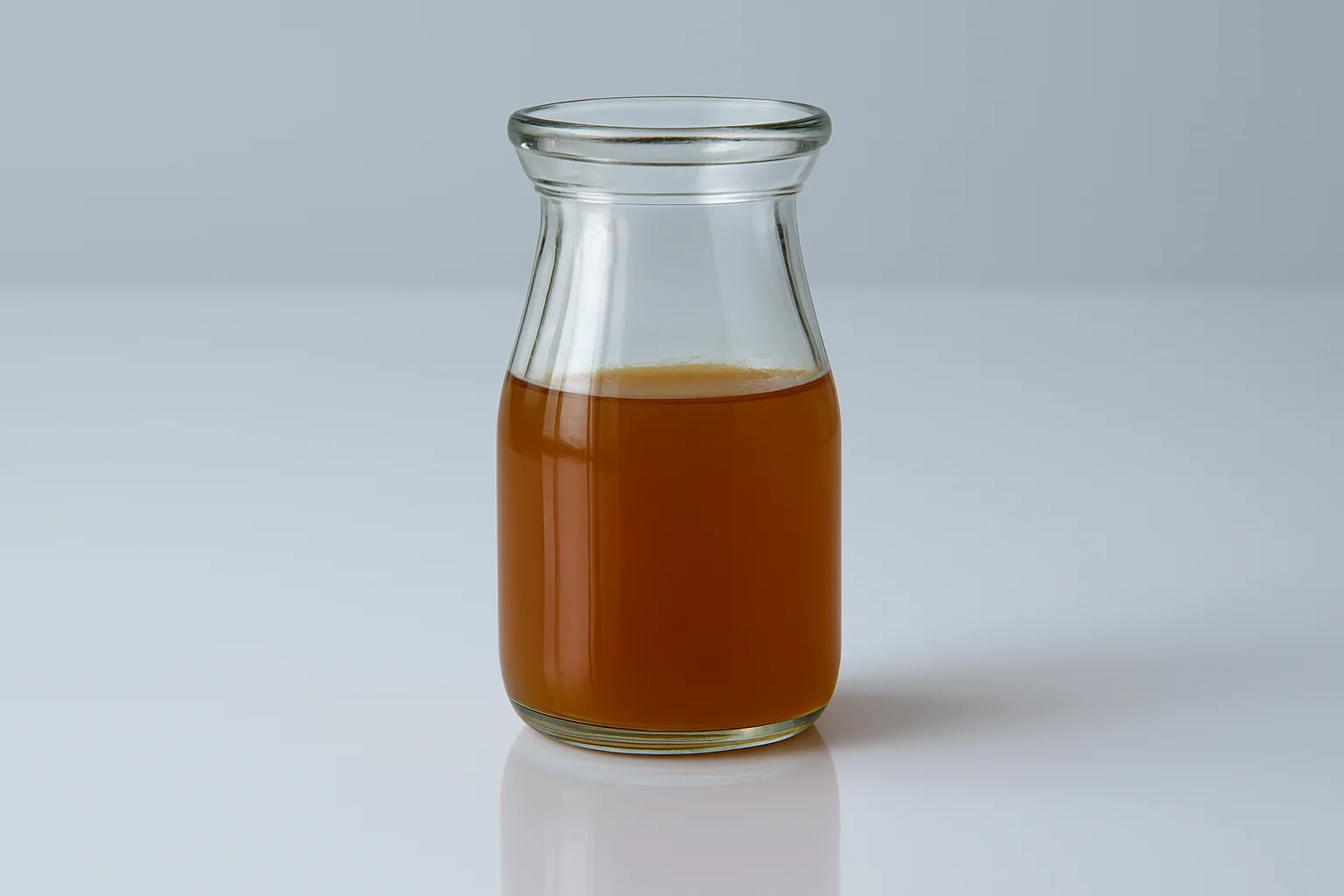
When can babies have vegetable stock?
Vegetable stock may be introduced as an ingredient in meals or as a drink as soon as baby is ready to start solids, which is generally around 6 months of age. When serving stock as a drink, limit the amount to less than 4 ounces (118 milliliters) a day before the first birthday, since breast milk and/or formula should be baby’s primary source of hydration and nutrition for the first year of life.
Simmer vegetables and seasonings in water until the liquid is full of flavor. Humans have been endlessly adapting this time-honored recipe since our ancestors first used a pot to boil water, or even before—using natural containers like animal stomachs to hold and heat the liquid. In modern times, cooks use different names for the warm elixir. Often, it is known simply as broth, an ancient word used to describe liquid boiled with any ingredient. Others call it stock, the name popularized by famed French chef, Auguste Escoffier. These terms are often used interchangeably, though others draw distinctions between the two.
How do you serve vegetable stock to babies?
Cada bebé se desarrolla a su propio ritmo, y las sugerencias que ofrecemos sobre cómo cortar o preparar determinados alimentos son generalizaciones para una amplia audiencia.
6 to 11 months old:
Use vegetable stocks as desired in your cooking. If you’d like to introduce broth as a drink, take care to offer only small amounts. Treat broth like water: limit to 2-4 ounces (~60-120 ml) served with a meal in an open cup (not a bottle) at the table. At this age, baby’s main source of hydration and nutrition should be breast milk or formula.
12 months old +:
Continue to use broths and stocks as desired in your cooking. You can also offer vegetable stock as a drink, if desired.
Is vegetable stock a choking hazard for babies?
No. Stock presents a low risk when safely prepared for a child’s age and developmental ability, though, in theory, an individual could choke on any food. To reduce the risk, prepare and serve stock in an age-appropriate way as described in the How to Serve section. As always, create a safe eating environment and stay within reach of baby during meals.
Learn the signs of choking and more about choking first aid in our free guides, Infant Rescue and Toddler Rescue.
Does vegetable stock contain common allergens?
No. Vegetable stock is typically made from ingredients that are not common allergens, such as carrot, celery, and onion, among others. That said, stocks may contain common allergens such as soy and wheat, among others. Always check labels on store-bought stock and review homemade recipes for ingredients your baby may not yet have tried. Finally, vegetable broth can be high in histamine, depending on the ingredients used and how long it was cooked for. For some individuals, eating foods high in histamine can result in symptoms that mimic those of an allergic reaction.
Is vegetable stock healthy for babies?
Yes, although when serving as a drink to babies under 12 months of age, it should only be offered in small amounts and in an open or straw cup, not a bottle. Babies can become quite efficient with bottles and, if they are served broth in a bottle, may drink a large amount and displace the complete nutrition offered by breast milk and/or formula.
Vegetable stock provides hydration and some vitamins and minerals (depending on the ingredients used). When made with vegetables like carrots, onions, celery, and leafy greens, stock can provide small amounts of vitamin A, vitamin C, potassium, and phytonutrients.
Most broths and stocks contain some sodium, which supports hydration, movement, and the balance of electrolytes in the body. Consider serving high-sodium broths and stocks only on occasion, as baby’s sodium needs are generally low. That said, the amount of solid food that baby consumes tends to be low as they practice feeding themselves, and as a result, the amount of sodium consumed also tends to be low. Learn more about sodium for babies.
Start solids with confidence
- Guided Introduction to 100+ Foods
- Smart Tools to Simplify Mealtime
- Food Allergen 101
- 300+ Meal Ideas
- First Foods® Database
Start solids with confidence
- Guided Introduction to 100+ Foods
- Smart Tools to Simplify Mealtime
- Food Allergen 101
- 300+ Meal Ideas
- First Foods® Database
Consejos de expertos directo en tu correo
Suscríbete para recibir consejos semanales, recetas y más.