
Veal
Carne
- Edad sugerida
- 6 meses
- Rico en hierro
- Sí
- Alérgeno común
- No
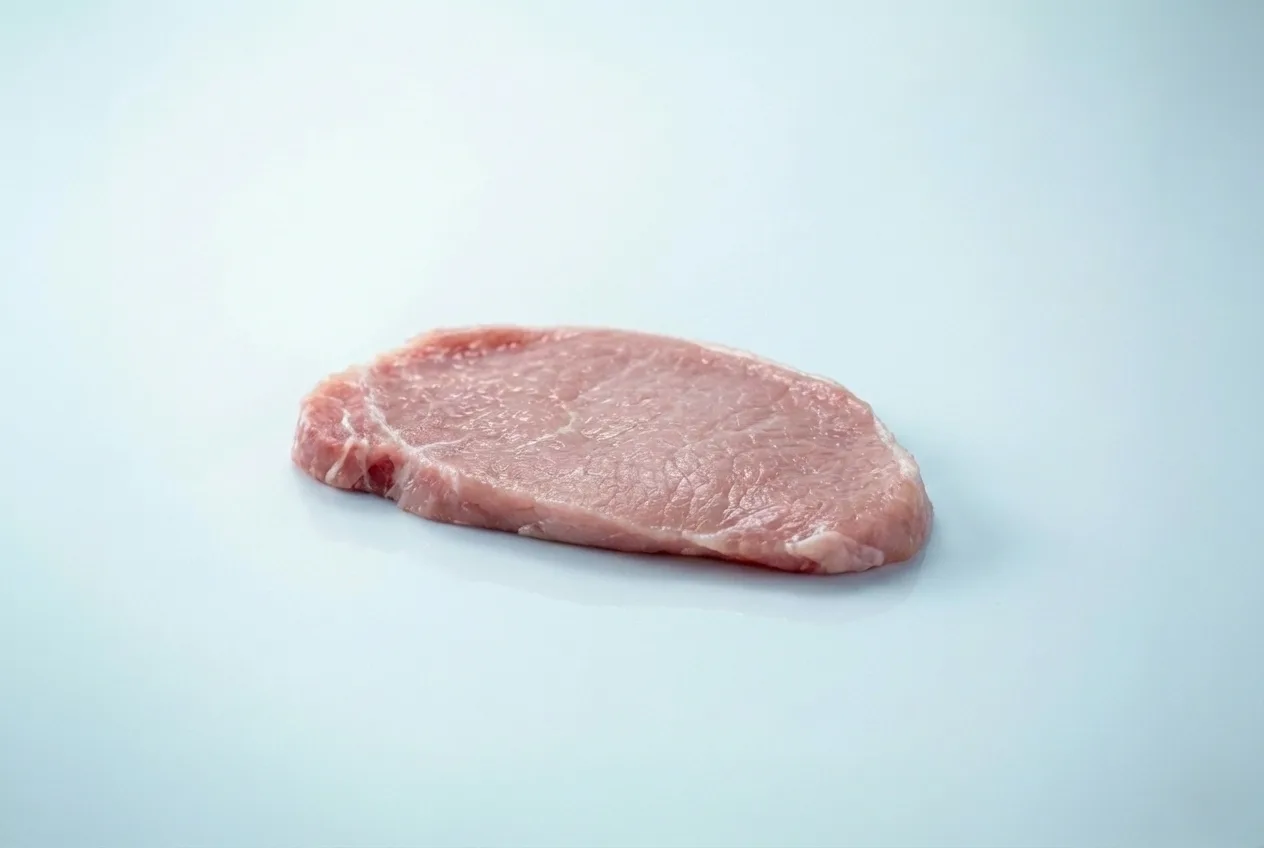
When can babies have veal?
Veal may be introduced as soon as baby is ready to start solids, which is generally around 6 months of age.
Veal refers to meat from young cattle and has been part of European cuisines for centuries, particularly in Italy, France, Germany, and Austria. Traditionally valued for its pale color and mild flavor, various cuts of veal appear in dishes such as osso buco, vitello tonnato, and Wiener schnitzel.
How do you serve veal to babies?
Cada bebé se desarrolla a su propio ritmo, y las sugerencias que ofrecemos sobre cómo cortar o preparar determinados alimentos son generalizaciones para una amplia audiencia.
6 months old +:
Offer a long strip of well-cooked, tender veal about the size of two adult fingers pressed together. Baby will mostly just suck and gnaw on the meat. If baby succeeds in biting off a big piece of meat, take a deep breath, stay calm, and give your child a chance to work with the food. In most cases, baby will spit it out or chew the food enough to swallow it. Avoid sharing veal that is overly tough or dry, as this poses an increased risk of choking.
Alternatively, mix ground veal that’s been cooked well-done into an easy-to-scoop food, such as stew or mashed potato. Let baby scoop with their hands or offer a pre-loaded spoon to practice with utensils. Avoid serving crumbles of ground veal on their own, as they can pose a higher risk of choking at this age. Alternatively, prepare burgers, meatballs, or patties that are at least 2 inches (5 cm) in diameter and cooked until the internal temperature reaches 160 F (71 C). Make sure the cooked burger or meatball is soft enough to be easily mashed by baby’s gums. To test if it is soft enough, hold it between your thumb and pointer finger and give it a gentle squeeze. Dipping the patties in applesauce, guacamole, yogurt, or other sauces can aid swallowing.
9 months old +:
Offer shreds of tender, well-cooked veal, either on their own or mixed into shared meals, or continue to serve long strips of veal for biting and tearing practice. Avoid sharing veal that is overly tough or dry, as this poses an increased risk of choking.
If serving ground veal, break veal meatballs or burger patties into small, bite-sized pieces to offer an opportunity for babies and toddlers to practice their pincer grasp and fine motor skills. If baby is not quite ready to pick up smaller pieces of food, you can continue to offer ground beef in sauces or as whole burgers, kebobs, meatballs, or patties that are at least 2 inches (5 cm) in diameter and cooked until the internal temperature has reached 160 F (71 C). Dipping the meat in applesauce, guacamole, yogurt, or other sauces can aid swallowing.
18 months old +:
Serve thin strips of well-cooked, tender veal for the toddler to practice taking bites from, or keep offering shreds of veal on their own or mixed into a dish. At this age, it’s normal for toddlers to spit out meat if they are having a tough time chewing it thoroughly. Serving the meat in a sauce can make it easier to manage in the mouth.
Continue serving ground veal in sauces, stews, mixed into other foods, or served in crumbles on its own. Make sure to cook the meat until it has reached an internal temperature of 160 F (71 C).
Videos
Is veal a choking hazard for babies?
Yes. Veal can be firm and challenging to chew, which are qualities that pose an increased risk of choking. To reduce the risk, prepare and serve veal in an age-appropriate way as described in How to Serve. As always, make sure to create a safe eating environment and stay within reach of baby during meals.
Learn the signs of choking and more about choking first aid in our free guides, Infant Rescue and Toddler Rescue.
Is veal a common allergen?
No. Veal is a form of beef, which is not a common food allergen, although reactions to beef have been reported.[1] [2] Certain tick bites (mainly the Lone Star tick in the continental United States, but other ticks in different parts of the world), are associated with the development of an allergy to galactose-alpha-1, 3-galactose (“alpha gal”), a sugar which is present in many red meats. This results in a delayed allergic reaction 3-8 hours after the consumption of red meat, such as veal.[1] However, some individuals with alpha gal allergy also react to small amounts of the sugar present in dairy products, gelatin, or organ tissues from mammals. Alpha gal allergy is more prevalent in the southeastern United States but is starting to become more common in other areas as the geographic distribution of the Lone Star tick expands. Note that studies suggest that in individuals with confirmed allergy to beef, a large percentage are also allergic to cow’s milk.[2] [3]
Is veal healthy for babies?
Yes. Veal is a protein-rich food that provides the building blocks needed to fuel baby’s rapid growth. It is also filled with essential nutrients such as zinc, selenium, choline, and vitamins B6 and B12. Together, these nutrients work to develop taste perception, ensure healthy metabolism, support growth and development, and build a strong immune system. Plus, it offers some iron to promote healthy red blood cell development.
Always cook ground veal until the internal temperature has reached 160 F (71 C) as ground veal carries a high risk for foodborne illness from harmful bacteria like E. coli and Salmonella when the meat is not cooked thoroughly.[4] [5]
What kind of meat is veal?
Veal is a kind of beef, typically from young male cattle.
Material de referencia
Start solids with confidence
- Guided Introduction to 100+ Foods
- Smart Tools to Simplify Mealtime
- Food Allergen 101
- 300+ Meal Ideas
- First Foods® Database

Start solids with confidence
- Guided Introduction to 100+ Foods
- Smart Tools to Simplify Mealtime
- Food Allergen 101
- 300+ Meal Ideas
- First Foods® Database
Consejos de expertos directo en tu correo
Suscríbete para recibir consejos semanales, recetas y más.