
Tepary Bean
Legumbre
- Edad sugerida
- 6 meses
- Rico en hierro
- Sí
- Alérgeno común
- No
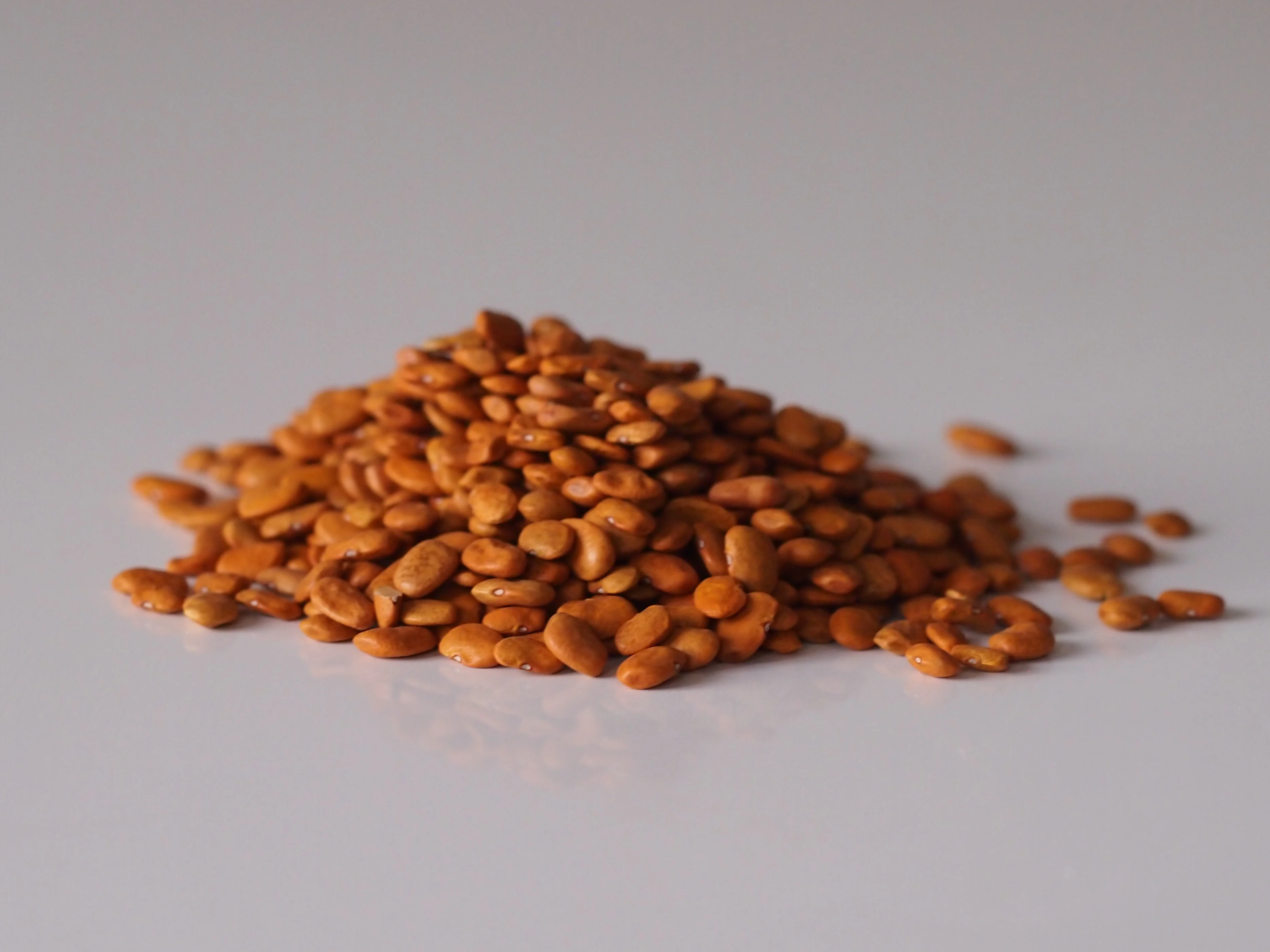
When can babies have tepary beans?
Tepary beans may be introduced as soon as baby is ready to start solids, which is generally around 6 months of age.
Tepary beans originated in the arid deserts of the Americas, where humans learned to cultivate the drought-resistant legume thousands of years ago. The name, tepary, is likely an adaptation of a word used by the Hohokam ancestors of the Pima and Tohono O’odham peoples, who grow the heat-tolerant beans they call bavi and stoa bawi on their lands in the Sonoran Desert today. Tepary beans are also grown in other hot, dry regions of the Americas, where they are known as escumite, frijol piñuelero, tecuzi, and xmayum and can be found in every color of the rainbow.
How do you serve tepary beans to babies?
Cada bebé se desarrolla a su propio ritmo, y las sugerencias que ofrecemos sobre cómo cortar o preparar determinados alimentos son generalizaciones para una amplia audiencia.
6 months old +:
Mash or blend cooked tepary beans into a textured mash or smooth paste for baby to scoop with their hands. If you prefer, serve the mash or paste with a spoon or thinly spread it onto a toast strip or teething rusk. Feel free to stir in breast milk, formula, olive oil, or even yogurt when making the mash or paste. You can also stir the mashed beans into soft, scoopable foods like grits, mashed potato, porridge, or stewed greens. Just start with small portions of beans at first to minimize any digestive discomfort from the high-fiber food.
9 months old +:
Babies with a developing pincer grasp (where the thumb meets the first finger) may graduate to tepary beans that have been gently flattened between your thumb and finger before serving. Alternatively, continue serving mashed or pureed tepary beans for baby to scoop with their hands, dip in fingers or pieces of cooked vegetables, or practice eating with a spoon.
12 months old +:
By this age, toddlers should be able to handle whole cooked tepary beans, so try offering the beans on their own or as part of a shared meal. To encourage self-feeding whole beans with a utensil, spear a bean and lay the utensil down for the child to pick up. You can, of course, also continue to mash and pre-load on spoons.
Videos
Are tepary beans a choking hazard for babies?
Yes. Tepary beans are small, rounded, and can be firm, especially when raw or undercooked, qualities that can increase the risk of choking. To reduce the risk, prepare and serve tepary beans in an age-appropriate way as described in the How to Serve section. As always, create a safe eating environment and stay within reach of baby during meals.
Learn the signs of choking and more about choking first aid in our free guides, Infant Rescue and Toddler Rescue.
Are tepary beans a common allergen?
No. Tepary beans are not a common allergen.
Being allergic to one type of legume does not necessarily mean that an individual will experience an allergic reaction from others, even though allergy testing is frequently positive to multiple legumes.[1] [2] Therefore, individuals with known legume allergy (such as peanut or soy) are not generally advised to avoid other legumes, such as beans. Individuals with allergies to pollen (particularly birch tree pollen) may experience Oral Allergy Syndrome (also called pollen food allergy syndrome) after eating certain beans.[3] [4] Oral Allergy Syndrome typically results in short-lived itching, tingling, or burning in the mouth and is unlikely to result in a dangerous reaction. Fully cooking the beans can help to minimize the symptoms.
Are tepary beans healthy for babies?
Yes. Tepary beans are rich in carbohydrates, fiber, and protein, in addition to iron and other essential vitamins and minerals. Together, these nutrients support energy for baby’s movement and exploration, a healthy digestive system, neurodevelopment, and more.
¿Cómo puedo calmar mis nervios al comenzar la alimentación complementaria?
Empápate del tema y practica las maniobras de rescate. Los padres y cuidadores que ven los videos de ahogamiento y rescate infantil en nuestro Pase completo de primeros alimentos a menudo comparten que se sienten mucho más seguros.
¿Es necesario tener una trona/silla alta?
Si bien una silla alta puede ayudar a crear un entorno seguro para comer, existen formas alternativas para que el/la bebé coma de forma segura, así como sostenerlo/a en tu regazo o sentarse juntos en el suelo. Para obtener más información, consulta nuestra Guía detallada de sillas altas para bebés.
Material de referencia
Start solids with confidence
- Guided Introduction to 100+ Foods
- Smart Tools to Simplify Mealtime
- Food Allergen 101
- 300+ Meal Ideas
- First Foods® Database
Start solids with confidence
- Guided Introduction to 100+ Foods
- Smart Tools to Simplify Mealtime
- Food Allergen 101
- 300+ Meal Ideas
- First Foods® Database
Consejos de expertos directo en tu correo
Suscríbete para recibir consejos semanales, recetas y más.