
Tangerine
Fruta
- Edad sugerida
- 6 meses
- Rico en hierro
- No
- Alérgeno común
- No
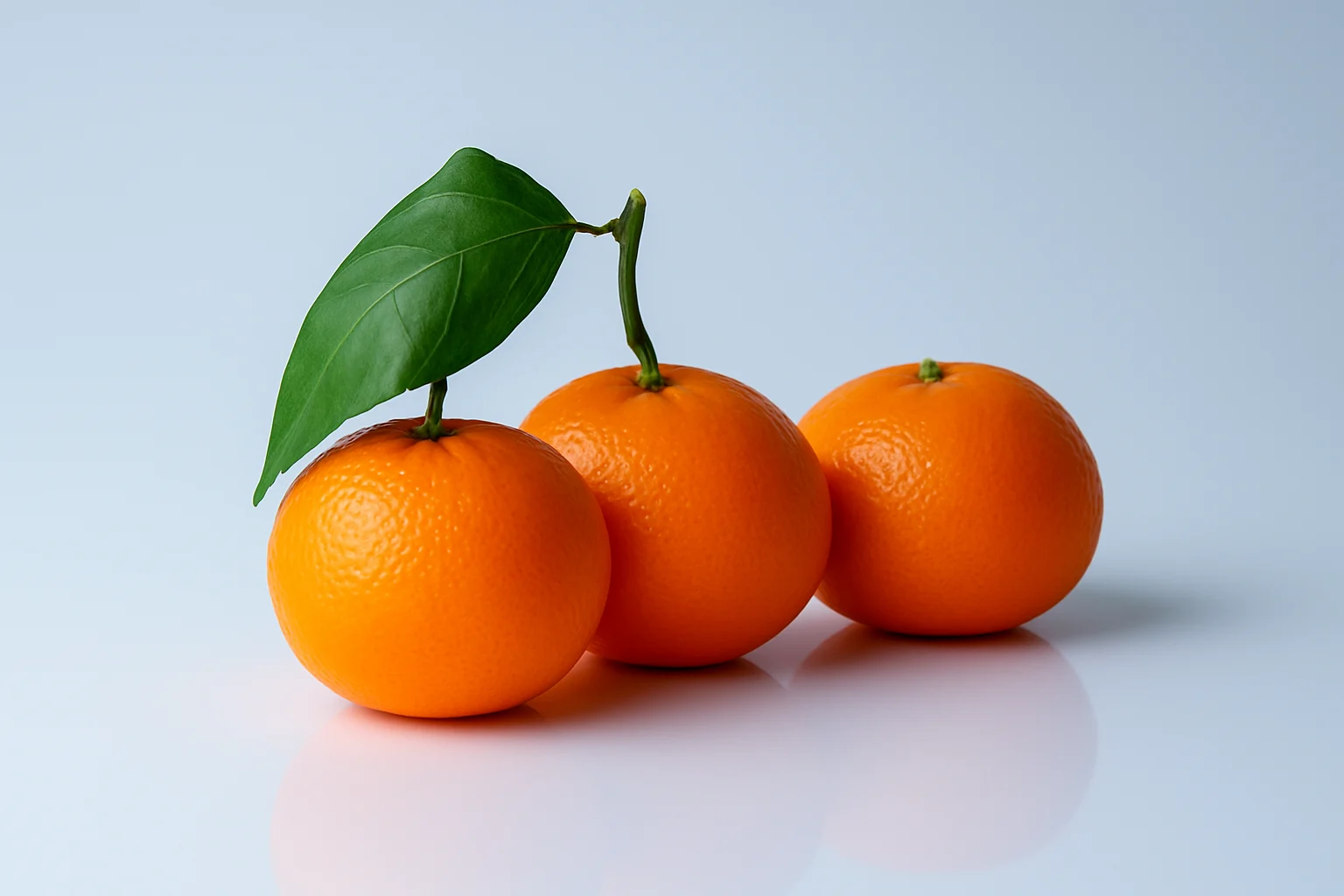
When can babies have tangerines?
Tangerines may be introduced as soon as baby is ready to start solids, which is generally around 6 months of age. Note that tangerines are acidic and may cause a harmless and temporary rash upon contact with skin and also may cause or worsen diaper rash.
Tangerines are a type of mandarin orange, prized for their sweetness, fragrance, and easy-to-peel skin. Originating in Asia, tangerines spread through global trade and have long been associated with prosperity and celebration in Chinese, Vietnamese, and other East and Southeast Asian cultures—especially during Lunar New Year, when their bright color symbolizes good luck. Today, tangerines are enjoyed around the world in fresh, juiced, and preserved forms, valued for their refreshing flavor and natural sweetness.
How do you serve tangerines to babies?
Cada bebé se desarrolla a su propio ritmo, y las sugerencias que ofrecemos sobre cómo cortar o preparar determinados alimentos son generalizaciones para una amplia audiencia.
6 months old +:
Offer mashed tangerine segments with the peel, membrane, and any seeds removed. To make the fruit easier for baby to eat, consider serving the mashed fruit mixed into scoopable foods such as yogurt. Remember that tangerines, mandarins, and other small citrus fruit segments left in their membrane can be a choking hazard.
9 months old +:
Cut the top off a whole tangerine and lift each segment out of each membrane pocket and offer as bite-sized pieces. Remember that tangerines, mandarins, and other small citrus fruit segments left in their membrane can be a choking hazard, so when in doubt, remove the fruit from the membrane.
18 months old +:
If you feel comfortable with the toddler’s chewing and swallowing skills, consider offering tangerine segments cut in half, with the membrane intact. Once the child has demonstrated that they can chew these pieces, consider working up to whole tangerine segments, coaching the child to take bites (rather than popping the whole segment into their mouth.) Of course, you can also continue to offer bite-sized pieces of segments with the membranes removed. Around age 2, you may find children are ready to learn how to peel a whole tangerine, a terrific activity for practicing fine motor skills.
Are tangerines a choking hazard for babies?
Yes. Citrus segments (if left in the surrounding membrane) have small, tapered ends and have a slippery, mixed consistency, qualities that increase the risk of choking. To reduce the risk, prepare and serve tangerine in an age-appropriate way as described in the How to Serve section. As always, create a safe eating environment and stay within reach of baby during meals.
Learn the signs of choking and more about choking first aid in our free guides, Infant Rescue and Toddler Rescue.
Are tangerines a common allergen?
No. Tangerines are not a common food allergen. However, self-reported sensitivity to citrus is described frequently in medical literature around the world. In some cases, allergy to proteins in tangerine can result in serious reactions. There is evidence to suggest that the major allergens causing serious allergic reactions to tangerine are concentrated within the seed of the fruit—and while uncommon, chewing the seeds may be responsible for these severe allergic reactions.[1]
Also, individuals with Oral Allergy Syndrome (also called pollen food allergy syndrome) may be sensitive to citrus fruits such as tangerines.[2] In particular, individuals who are allergic to grass and certain tree pollens may also be more sensitive to citrus fruits.[3] Oral Allergy Syndrome typically results in short-lived burning, itching, or tingling in the mouth and is unlikely to result in a dangerous reaction.
Citrus fruits, like tangerine, are associated with phytophotodermatitis, a skin condition that occurs when a person gets the juice from the fruit on the skin and doesn't wash it off. Compounds in the juice are activated by the sun and cause a pigmented, itchy, and occasionally blistering and painful rash on the skin.[4] Cleansing the skin after citrus contact and using sun protection can help to prevent the phytophotodermatitis rash.
The acid in citrus fruit can cause a harmless rash on the skin, typically around the mouth or on the diaper area. The rash usually dissipates after a short time. Applying a barrier ointment (such as pure petroleum jelly or a plant-based oil/wax combination) to baby’s face and bottom can help prevent the rash.
Are tangerines healthy for babies?
Yes. Tangerines are rich in carbohydrates, fiber, and fluid, in addition to vitamins A, B6, and C. They also offer potassium, folate, and antioxidants like flavonoids. Together, these nutrients work together to provide energy to fuel baby’s play and development, support digestive health, and aid in hydration. These nutrients also support vision, metabolism, immune function, electrolyte balance, nervous system functioning, and bodily repair and recovery.
When can babies drink tangerine juice?
Small amounts of tangerine juice may be shared as a drink after 12 months of age. That said, it can be beneficial to wait for when a child is older to regularly share juice and other sugary drinks. Research suggests that regular intake of juice and other sweet drinks tends to increase the risk of dental cavities and take up space in the belly, which may decrease a child’s motivation to eat other foods at mealtime and may negatively affect the child’s growth over time.[5][6] However, occasional servings of juice after one year of age generally isn’t a cause for concern. Learn more about serving juice to babies and toddlers.
Are tangerines the same as mandarins?
Tangerines are a variety of mandarin orange. Other popular mandarins include clementines and satsumas. All are safe for babies when prepared in an age-appropriate way.
Material de referencia
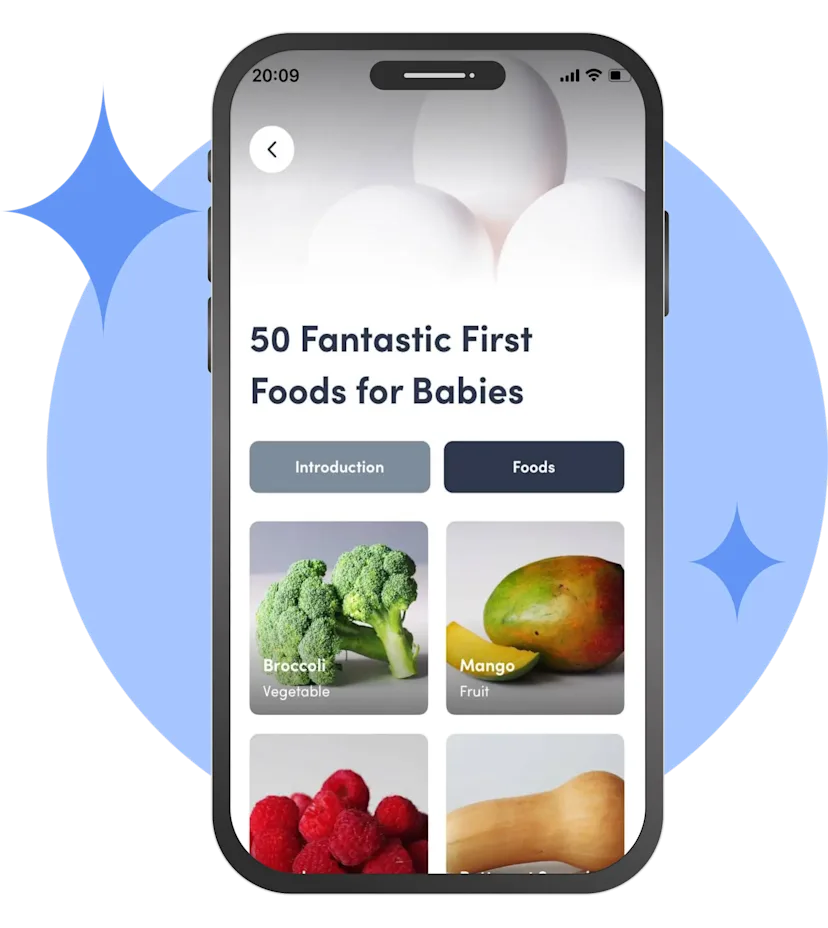
Start solids with confidence
- Guided Introduction to 100+ Foods
- Smart Tools to Simplify Mealtime
- Food Allergen 101
- 300+ Meal Ideas
- First Foods® Database
Start solids with confidence
- Guided Introduction to 100+ Foods
- Smart Tools to Simplify Mealtime
- Food Allergen 101
- 300+ Meal Ideas
- First Foods® Database
Consejos de expertos directo en tu correo
Suscríbete para recibir consejos semanales, recetas y más.