
Tamari
Condimento
- Edad sugerida
- 6 meses
- Rico en hierro
- No
- Alérgeno común
- Sí
When can babies have tamari?
Dishes that contain tamari as an ingredient may be introduced as soon as baby is ready to start solids, which is generally around 6 months of age. While tamari is high in sodium, a taste here and there of a dish that contains tamari is fine as part of a varied diet. Note that tamari contains soy, a common allergen.
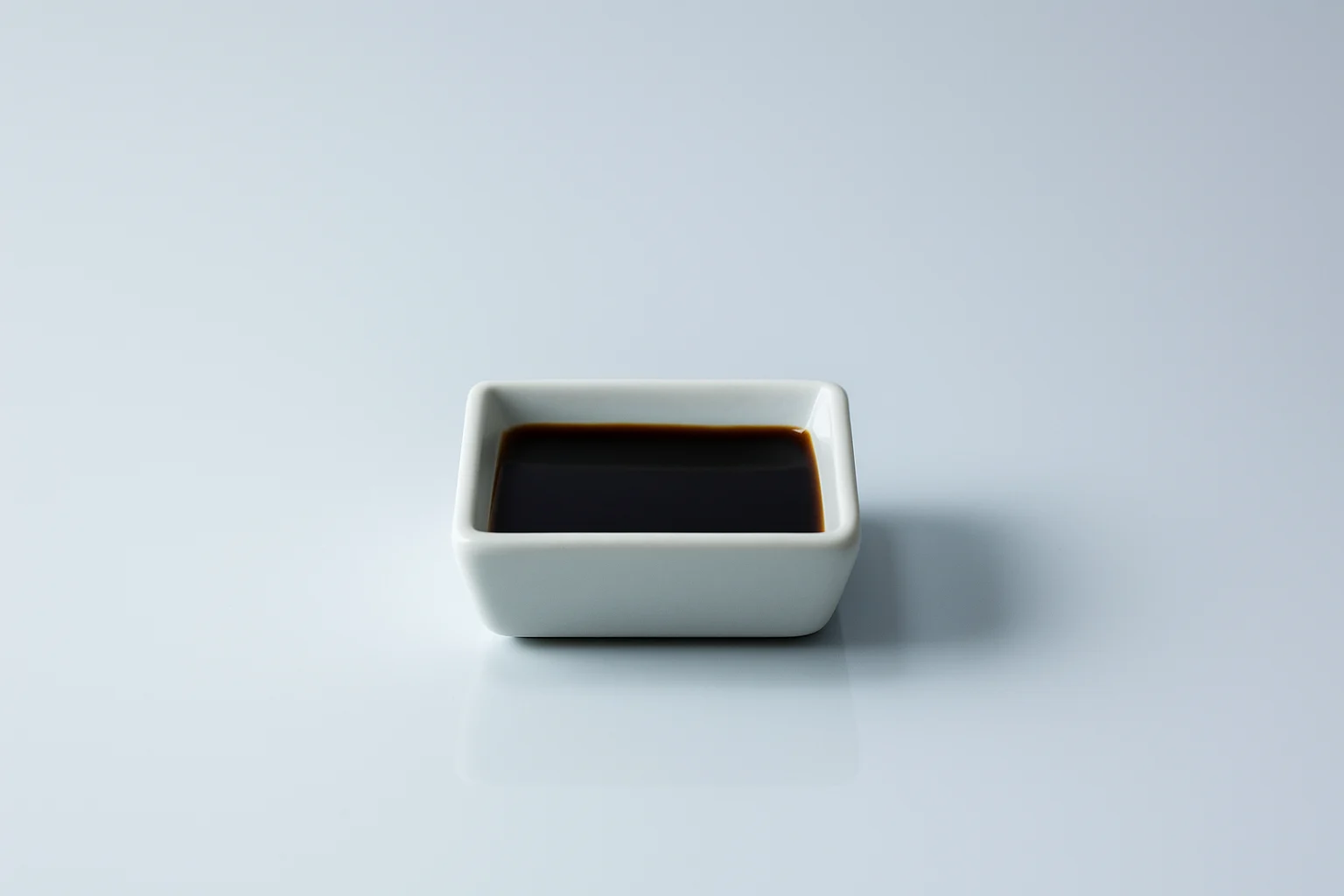
Tamari is a traditional Japanese soy-based condiment that originated as a byproduct of miso production. While it is generally similar to soy sauce in taste and texture, tamari is often made without wheat, though some brands may include small amounts. In Japanese cuisine, tamari is used to season rice, noodles, soups, and grilled dishes, bringing savory, umami flavor to meals.
How do you serve tamari to babies?
Cada bebé se desarrolla a su propio ritmo, y las sugerencias que ofrecemos sobre cómo cortar o preparar determinados alimentos son generalizaciones para una amplia audiencia.
6 months old +:
If you happen to have a dish that contains some tamari already prepared for yourself and you’d like to share a taste here and there with baby, feel free to do so. While tamari is high in sodium, sharing a small amount of an age-appropriate dish is completely fine. Remember that tamari contains soy, a common allergen, so make sure to safely introduce soy before sharing tastes of tamari.
12 months old +:
Use tamari as you normally would in family meals, as a marinade, as a seasoning in sauces, stews, or stir-fries, or as part of a sauce in meals, as desired.
24 months old +:
Continue serving age-appropriate foods and dishes with tamari as desired. At this age, you can also offer a small amount in a cup or bowl and model how to dip, then let the toddler try. Or, show how to drizzle tamari onto food.
Is tamari a choking hazard for babies?
No. Tamari presents a low risk when safely prepared for a child’s age and developmental ability, though, in theory, an individual could choke on any food. To reduce the risk, prepare and serve tamari in an age-appropriate way as described in the How to Serve section. As always, create a safe eating environment and stay within reach of baby during meals.
Learn the signs of choking and more about choking first aid in our free guides, Infant Rescue and Toddler Rescue.
Does tamari contain common allergens?
Yes. Tamari is made from soy, a common allergen. While most tamari is made without wheat, some may contain small amounts of wheat as well. That said, some individuals with allergies to soy protein are able to tolerate tamari in moderation. If baby has a known allergy to soy, discuss with your allergy specialist before introducing tamari.
Prior to sharing tamari with a child, it is important to introduce soy (and any other common allergens in the sauce) and rule out an allergy. This way, when you are ready to offer tamari, you will be confident that the child has already safely eaten soy and any other common food allergens in the sauce. This approach will also help you identify which food is responsible if the child has an allergic reaction when eating a dish that contains tamari combined with other ingredients.
What are the benefits of sharing foods that contain tamari with babies?
While tamari is not usually eaten in nutritionally significant amounts, it does offer small amounts of carbohydrates, amino acids, acids, and antioxidants, as well as prebiotics to support baby’s flourishing gut microbiome.[1] [2]
While tamari is high in sodium, the amount of sodium that babies eat tends to be low as they learn the skills to feed themselves. Some sodium is important for supporting baby’s electrolyte balance, hydration, and movement. While many health organizations recommend holding or reducing salt in food shared with baby, recent reviews of literature suggest that this may not be necessary.[3] Furthermore, sharing family meals, even if they contain salt, has its benefits: baby has opportunities to explore a wider variety of food, share their family food culture, and practice eating a variety of textures.[3] [4] [5] [6]
Is tamari gluten-free?
Usually, but not always. Traditional tamari is brewed without wheat, but some brands include small amounts for flavor. Always check labels carefully if avoiding gluten.
How is tamari different from soy sauce?
Tamari can be thicker, darker, and less salty than regular soy sauce. It’s also often gluten-free, whereas most soy sauces are brewed with wheat.
Material de referencia
Start solids with confidence
- Guided Introduction to 100+ Foods
- Smart Tools to Simplify Mealtime
- Food Allergen 101
- 300+ Meal Ideas
- First Foods® Database

Start solids with confidence
- Guided Introduction to 100+ Foods
- Smart Tools to Simplify Mealtime
- Food Allergen 101
- 300+ Meal Ideas
- First Foods® Database
Consejos de expertos directo en tu correo
Suscríbete para recibir consejos semanales, recetas y más.