
Tahini
Semilla
- Edad sugerida
- 6 meses
- Rico en hierro
- Sí
- Alérgeno común
- Sí
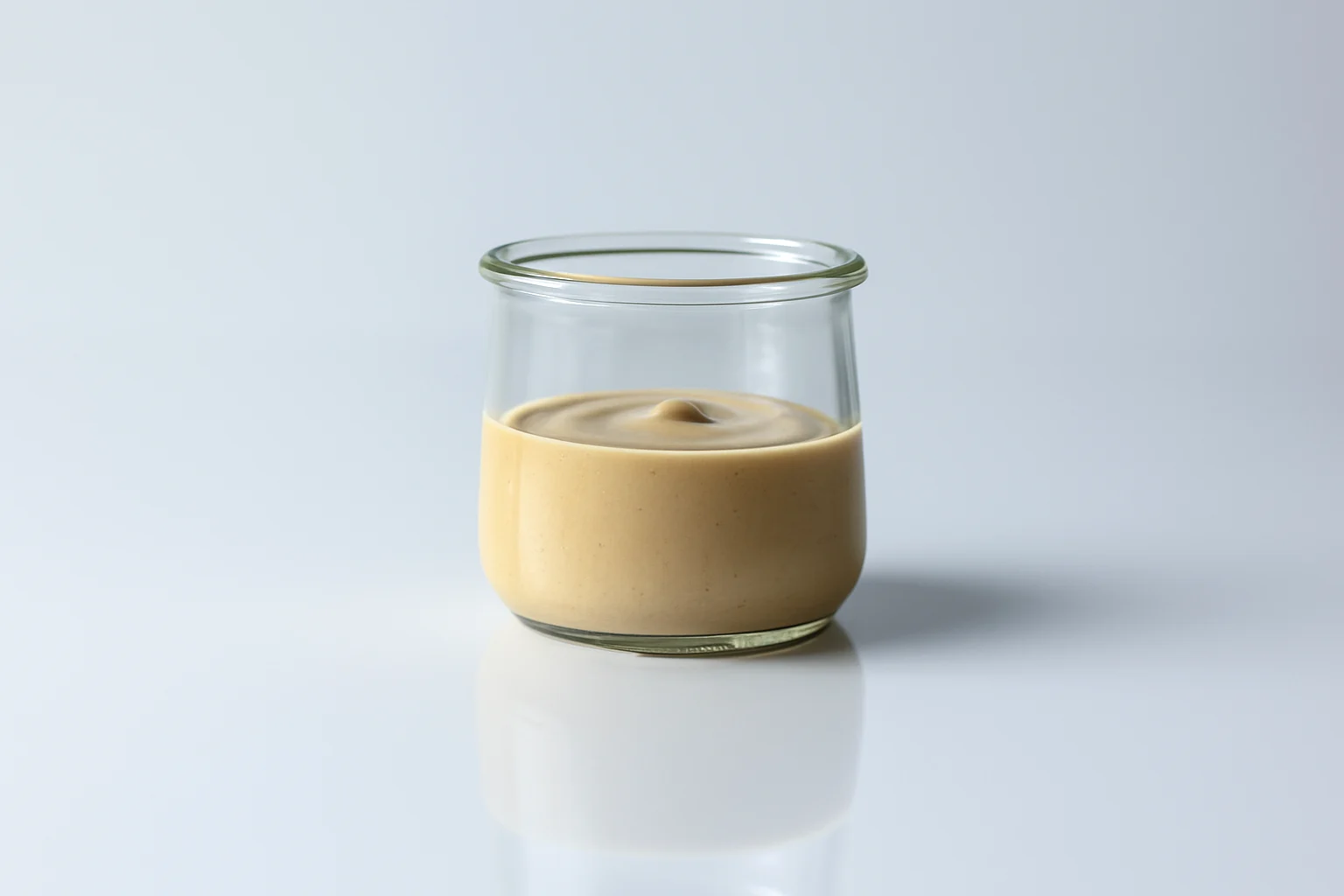
When can babies have tahini?
Tahini, when thinned out with breast milk, formula, water, or puree, may be introduced as soon as baby is ready to start solids, which is generally around 6 months of age. Tahini and other seed and nut butters are choking hazards for babies, so read our How to Serve section closely before serving. Avoid tahini that contains honey when sharing with babies under 12 months of age due to the risk of infant botulism.
Since ancient times, humans have put sesame seeds to use as food and medicine, particularly in Asia, where historians believe the sesame plant was first cultivated. One of these uses has been to grind the seeds into a smooth paste, also known as tahini or tahina. There are a number of varieties of tahini, some made from hulled seeds, others from unhulled, and some from seeds that have been roasted, others raw. Countless meals and regional dishes rely on tahini’s mild, nutty flavor and creamy texture, from sauces for meat and vegetables to dips like hummus to desserts like halva.
How do you serve tahini to babies?
Cada bebé se desarrolla a su propio ritmo, y las sugerencias que ofrecemos sobre cómo cortar o preparar determinados alimentos son generalizaciones para una amplia audiencia.
6 months old +:
Thin out tahini with breast milk, formula, water, or puree until it is loose and runny, then offer mixed into warm cereals, yogurt, or mashes, or spread it very thinly on strips of toasted bread or pita. Feel free to serve with a bit of water in an open cup to help wash down any sticky bits of food. Alternatively, serve dips made with tahini like hummus or baba ghanoush, either spread onto other foods or with age-appropriate foods to dip in. You can also incorporate tahini into batters for pancakes, waffles, or baked goods, or blend it into sauces and marinades. Make sure the tahini does not contain honey, which is associated with a risk of infant botulism.
12 months old +:
Serve tahini mixed into scoopable foods like oatmeal or yogurt, or spread a little on naan or toast. At this age, there is no need to thin out the tahini with liquid first, but continue to spread thinly and avoid serving in large globs. Alternatively, offer dips made with tahini like hummus or baba ghanoush, either spread onto other foods or with foods to dip in.
Videos
Is tahini a choking hazard for babies?
Yes. Tahini can be thick and sticky, qualities that can increase the risk of choking. To reduce the risk, prepare and serve tahini in an age-appropriate way as described in the How to Serve section. As always, create a safe eating environment and stay within reach of baby during meals.
Learn the signs of choking and more about choking first aid in our free guides, Infant Rescue and Toddler Rescue.
Is tahini a common allergen?
Yes, tahini is made from sesame seeds, and sesame is classified as a common allergen. In Southwest Asia and North Africa, studies have found it to be a common cause of anaphylaxis. For example, in Israel, sesame is the third most common food allergen.[1] In the United States, sesame is now the ninth most common food allergen.[2]
When introducing sesame for allergen introduction, it’s best to use ground sesame seeds or tahini (sesame paste). This is because whole sesame seeds are often not chewed well enough to expose the baby to the proteins within the seed. When choosing tahini for allergen introduction purposes, look for tahini made from unhulled sesame seeds, which will have a higher protein content and may expose baby to a wider variety of allergenic proteins (thereby allowing baby to develop tolerance to all these proteins).
As you would do with all new allergens, introduce sesame by serving a small quantity (such as 1/8 teaspoon of tahini mixed into applesauce) and watch closely. If there is no adverse reaction during the first few servings, gradually increase the amount over future meals. Rather than filling the belly with tahini, it is important to maintain exposure to common food allergens (such as sesame) in the diet regularly (twice weekly, if possible) once introduced. Don’t stop offering unless your baby shows signs of a reaction.
Is tahini healthy for babies?
Yes. Tahini is made from sesame seeds and is rich in healthy fats, iron, calcium, zinc, and B vitamins—nutrients that support brain development, bone health, and immune function. It also contains protein and fiber, which help keep baby feeling full and support digestion. Tahini also contains lignans and phytosterols that offer antioxidant benefits to help baby thrive.[3] [4]
Can babies eat hummus with tahini?
Yes. Babies can have hummus that contains tahini as soon as they are ready to start solids, which is typically around 6 months of age. You can offer hummus in a bowl for baby to scoop with their hands, spread on strips of naan, pita, or toast, or offer other age-appropriate foods to dip in the hummus. Note that tahini is made with sesame seed, a common allergen, so make sure you have ruled out a sesame allergy before serving hummus that contains tahini.

Material de referencia
Start solids with confidence
- Guided Introduction to 100+ Foods
- Smart Tools to Simplify Mealtime
- Food Allergen 101
- 300+ Meal Ideas
- First Foods® Database

Start solids with confidence
- Guided Introduction to 100+ Foods
- Smart Tools to Simplify Mealtime
- Food Allergen 101
- 300+ Meal Ideas
- First Foods® Database
Consejos de expertos directo en tu correo
Suscríbete para recibir consejos semanales, recetas y más.