
Seitan
Grano
- Edad sugerida
- 6 meses
- Rico en hierro
- Sí
- Alérgeno común
- Sí
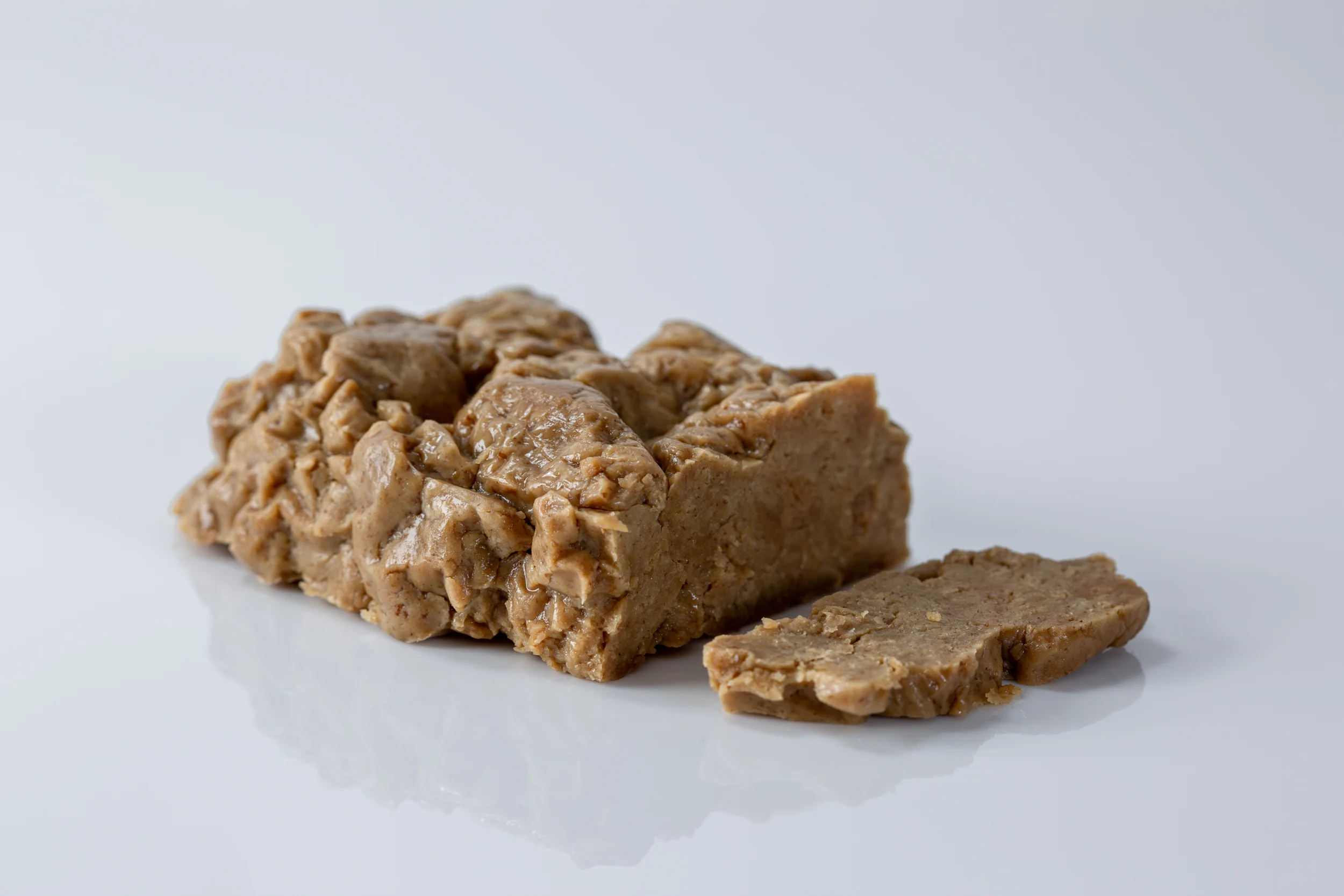
When can babies have seitan?
Seitan may be introduced as soon as baby is ready to start solids, which is generally around 6 months of age. Note that seitan is made of wheat, a common allergen, and some varieties can contain other common allergens
Seitan is a protein-rich food made from vital wheat gluten, the elastic protein network that remains when wheat flour is hydrated and all of the starch is washed away. The resulting dough is then seasoned and cooked by simmering, steaming, or baking into a firm, chewy, meat-like product. Also known as fu, miànjīn, and milgogi, seitan has been made and eaten in China, Japan, and other parts of East Asia for over a thousand years, where it originated in Buddhist monastic cooking as a plant-based meat alternative for those following vegetarian diets.
How do you serve seitan to babies?
Cada bebé se desarrolla a su propio ritmo, y las sugerencias que ofrecemos sobre cómo cortar o preparar determinados alimentos son generalizaciones para una amplia audiencia.
6 months old +:
Mix tiny crumbles of soft seitan that has been simmered or steamed into scoopable foods like mashed vegetables, porridge, or hummus. Let baby scoop with their hands or offer the mixture on a pre-loaded spoon for baby to grab from you and self-feed. Alternatively, finely shred soft, cooked seitan and stir into sauces or stews. Avoid larger pieces of seitan served on their own at this age, since its texture can be challenging for babies to manage and the consistency of seitan can vary widely depending on preparation.
9 months old +:
As baby develops a pincer grasp (where the thumb and first finger meet to pick up smaller objects), you can start serving small, soft shreds of simmered or steamed seitan, provided they are not chewy or springy. Offer the pieces on their own for baby to practice picking up or mixed into other foods. You can also continue to serve seitan in tiny crumbles or shreds mixed into soft, scoopable foods. Avoid sharing cubes or chunks of seitan, as well as seitan that is firm or springy, due to increased choking risk.
18 months old +:
Once the child has molars and lots of practice chewing challenging textures, you can try sharing long, thin strips of seitan for the child to practice taking bites from. Expect some spitting as the child practices chewing this challenging texture. Serving with a dip or in a sauce will make the seitan easier for the child to manage in the mouth. Or, continue to share family meals that contain shredded pieces of soft seitan. Avoid sharing cubes or chunks of seitan due to increased choking risk.
24 months old +:
As long as the child is taking bites, chewing food thoroughly, and spitting food out when they need to, you can serve seitan as desired: shredded, cut into bite-sized pieces, or in long slices. Softer seitan and pieces served in sauce or other liquids are typically easier for the child to manage in the mouth than drier and firmer pieces. Continue to expect the child to spit pieces out if they’re struggling with the texture. Offer with a utensil for the child to practice with a fork or chopsticks. Continue to take care when serving seitan that is more chewy or firm.
Is seitan a choking hazard for babies?
Yes. Seitan's dense, chewy, and springy texture poses an increased choking risk. To reduce the risk, prepare and serve seitan in an age-appropriate way as described in How to Serve. As always, create a safe eating environment and stay within reach of baby during meals.
Learn the signs of choking and more about choking first aid in our free guides, Infant Rescue and Toddler Rescue.
Is seitan a common allergen?
Yes. Seitan is made of wheat, a common allergen, and some varieties include other common allergens like sesame and soy.
Prior to sharing seitan with a child, it is important to introduce common food allergens on their own and rule them out as allergens before serving them together in a prepared food. This way, you’ll be able to identify which allergen is responsible if the child has a reaction. Then, when you are ready to offer seitan, you will be confident that they have already safely eaten any common allergens in the food.
Is seitan healthy for babies?
Yes. Seitan is packed with plant-based protein and essential nutrients for babies and toddlers. It is rich in iron, zinc, folate, vitamins B6 and E, as well as alpha-linolenic acid (a plant form of omega-3 fatty acid). These nutrients work together to support baby’s growth, neurodevelopment, vision, immunity, metabolism, and much more.
Is seitan safe for babies?
Yes, for babies without a wheat allergy or celiac disease, seitan is safe when introduced in an age-appropriate way. The key considerations are allergen introduction (seitan is made from wheat, a common allergen) and serving in a way to reduce choking risk (seitan can be very firm and difficult for babies to chew).
Can babies eat store-bought seitan?
Yes, with some considerations. Store-bought seitan is available in a range of forms—crumbles, strips, slices, sausages, and more—but the texture of these can vary widely. For babies, make sure the seitan is soft and tender (not springy or firm). Always read the ingredient list carefully for common allergens beyond wheat, particularly soy (from soy sauce or tamari), and check the sodium content. If the family eats seitan regularly, try to find low-sodium versions to share with baby.
Start solids with confidence
- Guided Introduction to 100+ Foods
- Smart Tools to Simplify Mealtime
- Food Allergen 101
- 300+ Meal Ideas
- First Foods® Database
Start solids with confidence
- Guided Introduction to 100+ Foods
- Smart Tools to Simplify Mealtime
- Food Allergen 101
- 300+ Meal Ideas
- First Foods® Database
Consejos de expertos directo en tu correo
Suscríbete para recibir consejos semanales, recetas y más.