
Romanesco
Verdura
- Edad sugerida
- 6 meses
- Rico en hierro
- No
- Alérgeno común
- No
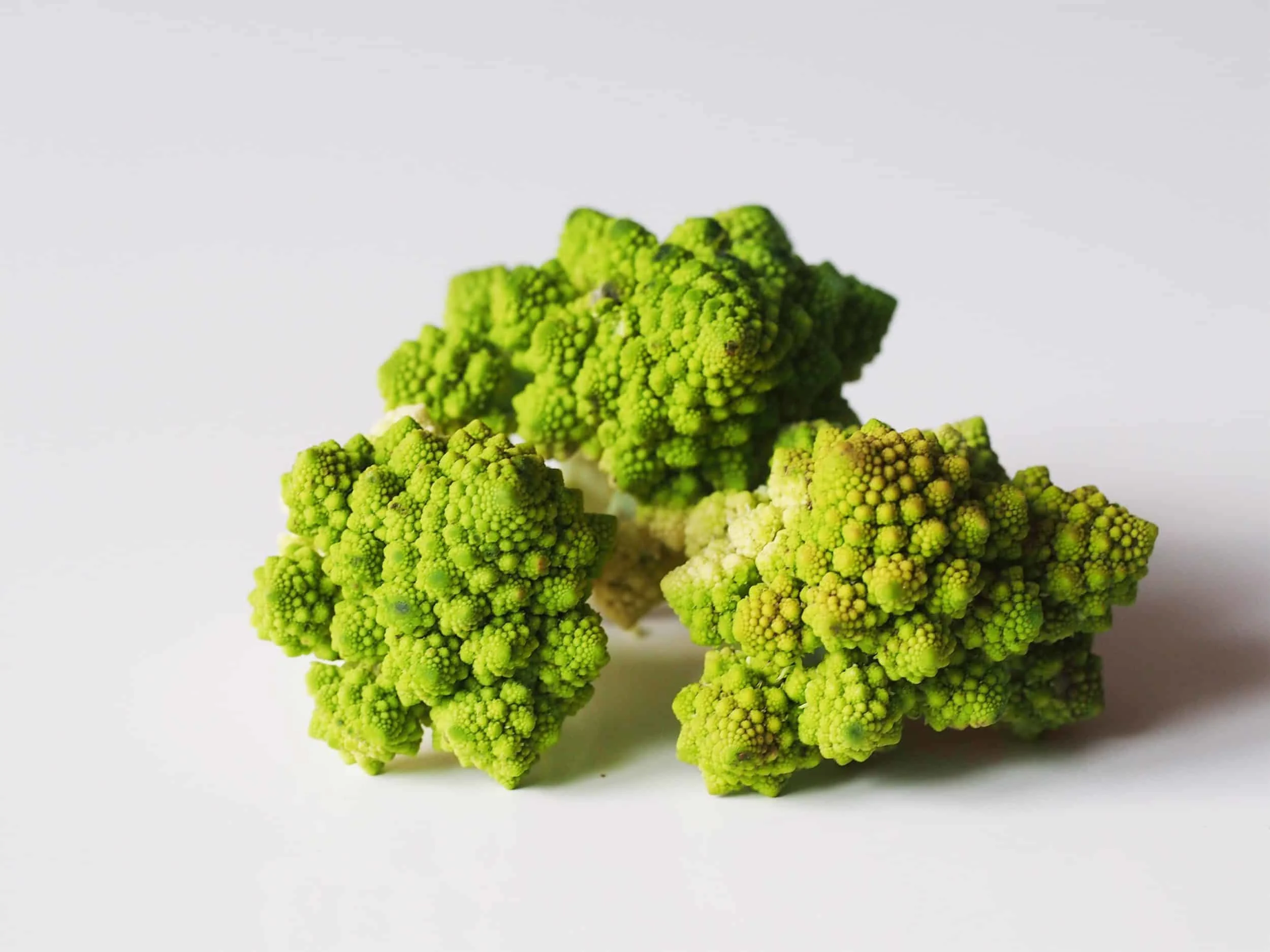
When can babies eat romanesco?
¡Lo sentimos, esta página aún no está disponible en español! Estamos trabajando tan rápido como podemos para traducir todo nuestro contenido, gracias por tu paciencia y apoyo.
Fresh or frozen romanesco that’s been cooked until soft can be introduced as soon your baby is ready for solids which is generally around 6 months of age.
How do you prepare romanesco for babies with baby-led weaning?
Cada bebé se desarrolla a su propio ritmo, y las sugerencias que ofrecemos sobre cómo cortar o preparar determinados alimentos son generalizaciones para una amplia audiencia.
6 to 9 months old:
Serve well-steamed romanesco florets whole. If your baby bites off a too-big piece, stay calm and give your little one an opportunity to independently work the food forward, out of their mouth. If you’re nervous about offering pieces of food to your baby, you can always mash the florets before serving.
9 to 12 months old:
At this stage, babies develop a pincer grasp (where the pointer finger and thumb meet) which makes it easier to pick up smaller pieces of food. Try moving down in size to small, bite-sized pieces that have been cooked until soft. If you are comfortable with your baby’s eating skills, you may also continue to serve whole cooked florets.
12 to 18 months old:
Offer bite-sized pieces of cooked romanesco and serve alongside a fork to encourage utensil practice.
18 to 24 months old:
At this age your toddler may be ready to go back up in size to whole florets. This will encourage biting and tearing practice. You can, of course, continue to offer cooked romanesco in bite size pieces.
Is romanesco a common choking hazard for babies?
Yes if it is raw. When romanesco is cooked (as the vast majority of recipes call for), it shouldn’t pose any unusual risk.
For more information, visit our section on gagging and choking and familiarize yourself with common choking hazards.
Is romanesco a common allergen?
No. Allergies to romanesco are rare. That said, one could be allergic to any food in theory. As you would when introducing any new food, start by offering a small quantity on its own for the first couple of servings and watch closely. If there is no adverse reaction, gradually increase the quantity over future meals.
Is romanesco healthy for babies?
Absolutely. Romanesco is loaded with vitamin C, which helps our bodies absorb plant-based iron. (Iron is a critical nutrient for developing babies.) Romanesco is also a great source of fiber, vitamins B and K, and antioxidants that power your baby’s organs and immune system. Depending on the soil in which it’s grown, romanesco may also contain traces of iron, potassium, and other minerals.
Background and origins of romanesco
Romanesco is shorthand for Roman cauliflower—a beautiful, lime-green vegetable with mesmerizing florets that form a fractal that delights adults and babies alike. Grown in Italy since the 16th century, the heirloom vegetable tastes mildly nutty and sweet, more like broccoli than cauliflower, but like its cruciferous cousins, it’s packed with nutrition. Check out our serving suggestions!
Start solids with confidence
- Guided Introduction to 100+ Foods
- Smart Tools to Simplify Mealtime
- Food Allergen 101
- 300+ Meal Ideas
- First Foods® Database

Start solids with confidence
- Guided Introduction to 100+ Foods
- Smart Tools to Simplify Mealtime
- Food Allergen 101
- 300+ Meal Ideas
- First Foods® Database
Consejos de expertos directo en tu correo
Suscríbete para recibir consejos semanales, recetas y más.