
Rocotillo Pepper
Verdura
- Edad sugerida
- 6 meses
- Rico en hierro
- No
- Alérgeno común
- No
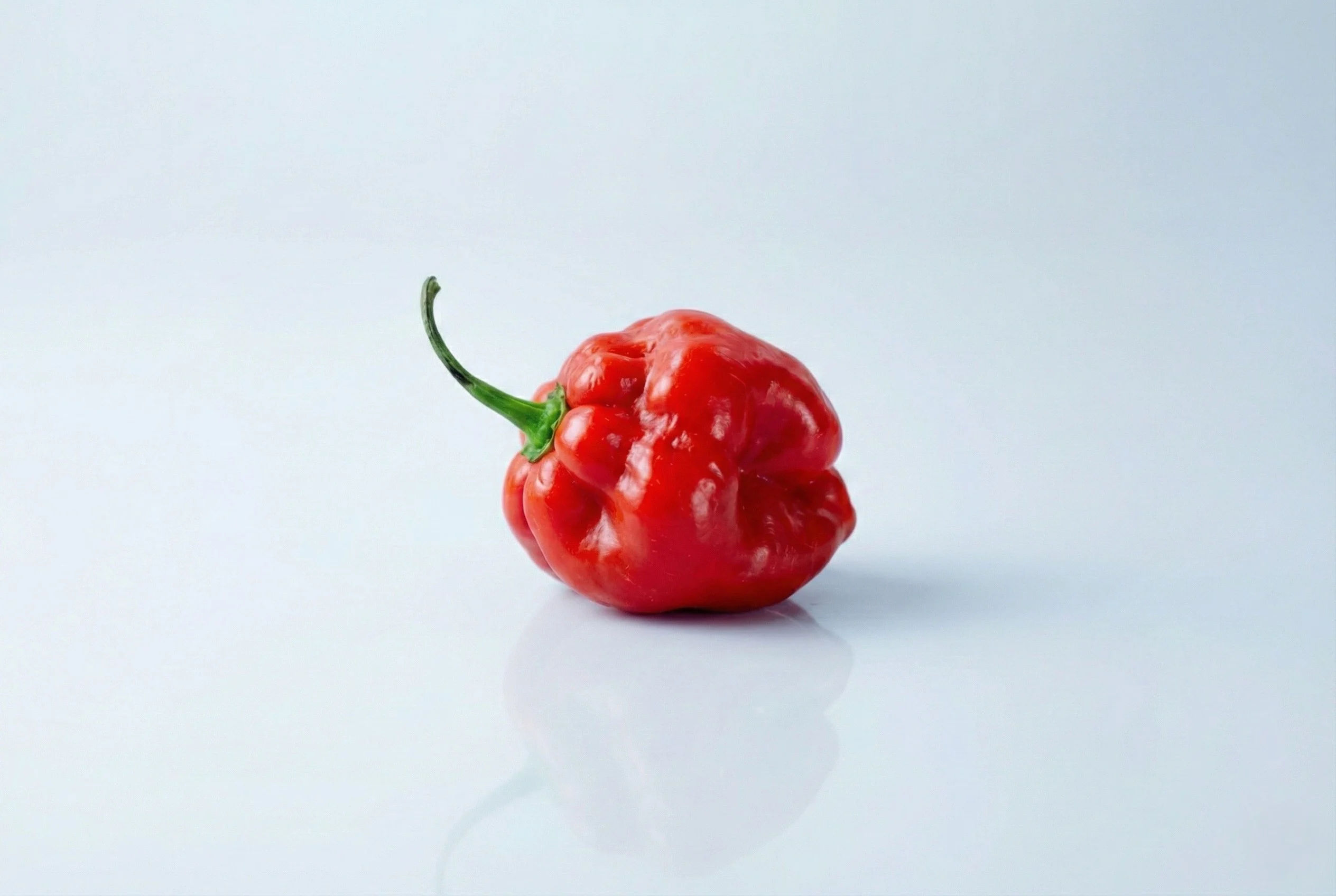
When can babies have rocotillo peppers?
Rocotillo peppers may be introduced as soon as baby is ready to start solids, which is generally around 6 months of age. Whenever you decide to introduce them, consider starting with a tiny amount mixed into other foods and serve according to baby’s tolerance. While spicy foods are safe for babies, large quantities may irritate the mouth or cause temporary digestive upset.
Rocotillo peppers are small, squat peppers native to the Caribbean, particularly Puerto Rico and surrounding islands. Despite their resemblance to very hot peppers like scotch bonnet or habanero, rocotillos are typically much milder, with a fruity, slightly sweet taste and gentle heat. This sets them apart from the similarly named rocoto pepper, a chili native to Peru with a more fiery heat. They are commonly used in Caribbean cooking to add depth of flavor to stews, sauces, sofrito, and rice dishes.
How do you serve rocotillo pepper to babies?
Cada bebé se desarrolla a su propio ritmo, y las sugerencias que ofrecemos sobre cómo cortar o preparar determinados alimentos son generalizaciones para una amplia audiencia.
6 months old +:
Let baby taste a scant amount of your food that contains finely chopped rocotillo peppers, raw or cooked, but consider waiting until baby is a little older to regularly offer very spicy dishes. When you decide to let baby try a food with rocotillo pepper, make sure to taste it yourself first–rocotillo peppers can vary in heat–and serve it alongside a creamy food like mashed avocado, yogurt, or an age-appropriate milk.
9 months old +:
Stir a small amount of finely chopped rocotillo pepper (raw or cooked) into food to share with baby, like bean chili, jerk chicken, salsa, or stew. If you would like to lower the heat, discard the seeds and pith (the veins that hold the seeds) as they contain higher concentrations of capsaicin. Have on hand a creamy food like avocado or yogurt to help offset any discomfort from the hot pepper. Watch baby’s hands—many children at this age rub their faces and eyes while eating, so try to intervene before they introduce chili pepper into their eyes.
18 months old +:
Serve age-appropriate portions of chili, salsa, stew, or other dishes that contain chopped raw or cooked rocotillo peppers. At this age, many toddlers are ready to take bites from larger pieces or whole foods. When you feel the child is ready, you can try serving a whole cooked stuffed pepper—just remove the stem first, if it was cooked with the stem intact, and make sure any choking hazards in the filling have been removed or modified. If the pepper is small, model taking a bite of your own and encourage the child to take small bites. If the pepper is larger, consider cutting it into more manageable pieces for the child. Serve with dairy or another cooling food to help the child manage the heat, and let the child know that the dish may be spicy before they take a big bite.
Is rocotillo pepper a choking hazard for babies?
No. When finely chopped, rocotillo pepper presents a low risk when safely prepared for a child’s age and developmental ability, though, in theory, an individual could choke on any food. To reduce the risk, prepare and serve rocotillo pepper in an age-appropriate way as described in How to Serve. As always, create a safe eating environment and stay within reach of baby during meals.
Learn the signs of choking and more about choking first aid in our free guides, Infant Rescue and Toddler Rescue.
Is rocotillo pepper a common allergen?
No. Allergies to chili peppers like rocotillo are rare, but have been reported.[1] [2] Contact reactions (such as temporary rashes, eye irritation, respiratory difficulty, and digestive upset) to spicy peppers are frequently mistaken for allergic reactions.[3] This is due to the irritating qualities of capsaicin (the spicy component in certain peppers) in sensitive individuals and is not typically a true allergic reaction.[4]
People who are allergic to latex or certain plant pollens may also be allergic to peppers or experience Oral Allergy Syndrome (also known as pollen food allergy syndrome).[5] Oral Allergy Syndrome typically results in short-lived itching, tingling, or burning in the mouth and is unlikely to result in a dangerous reaction. Cooking, canning, and/or peeling rocotillo peppers may help minimize and even eliminate the reaction.
Note that spicy foods like rocotillo peppers may cause a harmless rash around the mouth while baby eats or may cause or worsen diaper rash. Try applying a thin layer of barrier cream or ointment—such as pure petroleum jelly or a plant-based oil/wax balm—to baby’s face and bottom to help prevent contact rashes.
Is rocotillo pepper healthy for babies?
Yes. While rocotillo pepper isn’t typically consumed in nutritionally significant quantities, it offers small amounts of a variety of vitamins, minerals, and fiber, such as vitamin A, and minerals like calcium and iron.
Contrary to popular belief, babies can enjoy big flavors, including spicy peppers like rocotillos, but it is important to start with small tastes and adjust the heat in a dish to suit the child to help avoid a negative experience. To reduce the heat of a pepper, remove the seeds and pith (the white veins that hold the seeds), and make sure to taste the food before offering to baby. If it seems too spicy, adjust the amount or add cooling ingredients to mellow the flavor.
Is rocotillo pepper spicy?
Rocotillo peppers are usually mildly to moderately spicy, though heat can vary by plant and growing conditions. They are generally much less hot than habanero or scotch bonnet peppers.
Material de referencia
Start solids with confidence
- Guided Introduction to 100+ Foods
- Smart Tools to Simplify Mealtime
- Food Allergen 101
- 300+ Meal Ideas
- First Foods® Database

Start solids with confidence
- Guided Introduction to 100+ Foods
- Smart Tools to Simplify Mealtime
- Food Allergen 101
- 300+ Meal Ideas
- First Foods® Database
Consejos de expertos directo en tu correo
Suscríbete para recibir consejos semanales, recetas y más.