
Pupusa
Comida preparada
- Edad sugerida
- 6 meses
- Rico en hierro
- No
- Alérgeno común
- Sí
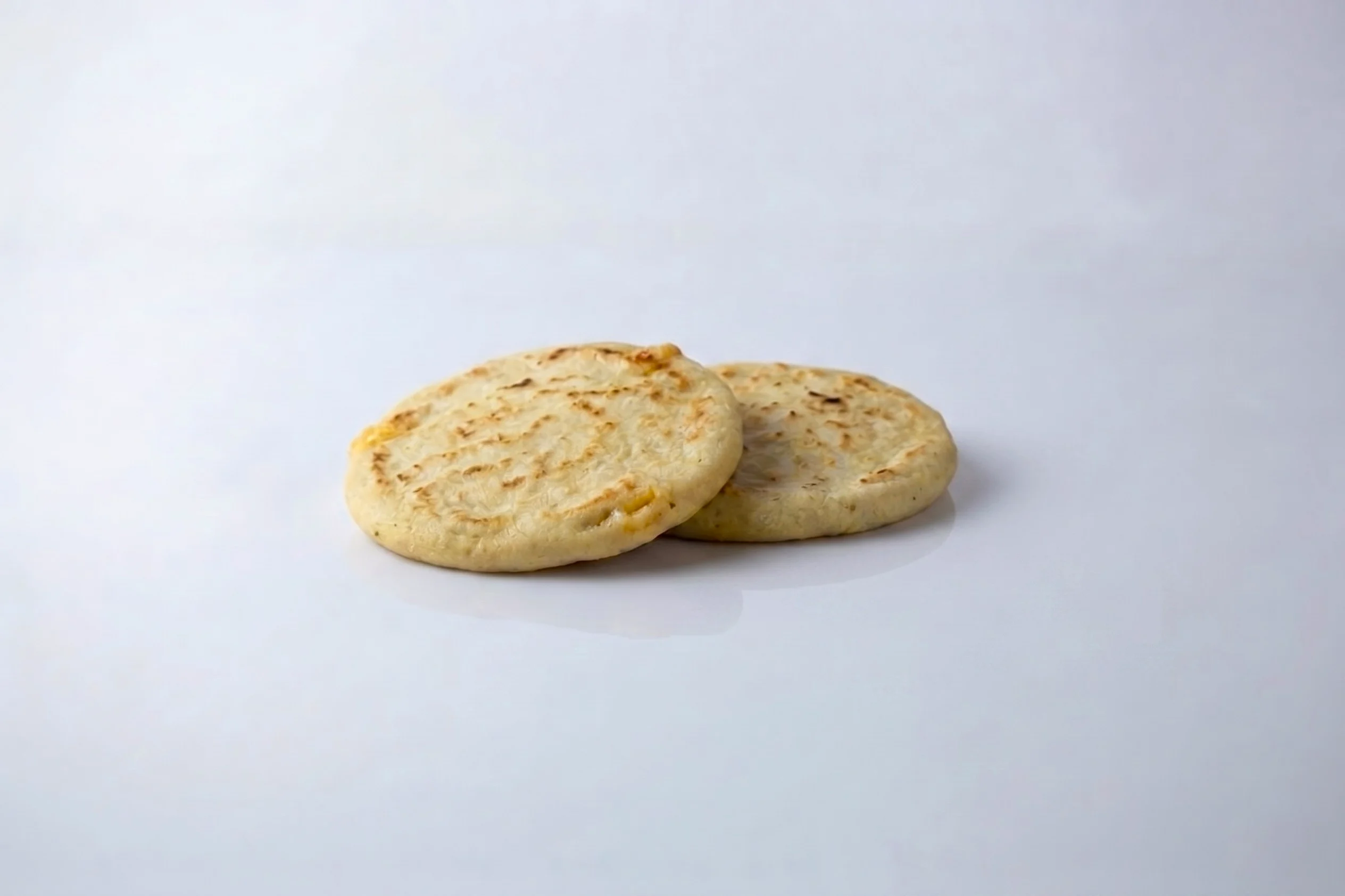
When can babies have pupusas?
Pupusas may be introduced as soon as baby is ready to start solids, which is generally around 6 months of age, as long as the filling ingredients are age-appropriate to reduce choking risk. Note that pupusas often contain dairy, a common allergen, in the form of cheese.
The pupusa is the national dish of El Salvador, a thick, hand-formed cake of masa filled with cheese, beans, seasoned pork, loroco buds, or combinations of these, then cooked on a hot comal or griddle until the exterior is golden and lightly crisped. There is evidence of pupusa preparation by the Pipil people of present-day El Salvador dating back over two thousand years, making it one of the oldest continuously prepared foods in the Americas.
How do you serve pupusas to babies?
Cada bebé se desarrolla a su propio ritmo, y las sugerencias que ofrecemos sobre cómo cortar o preparar determinados alimentos son generalizaciones para una amplia audiencia.
6 months old +:
Serve a pupusa whole or cut in half for baby to munch on. Make sure the fillings are soft and mashable at this age, like mashed beans or soft, shredded meat. Baby may not get much food in the belly at this age, but practicing eating skills and joining the family meal carry important benefits too. Adding moisture, like spreading a bit of salsa roja on the pupusa, can make it easier for baby to manage in the mouth if they do bite off a piece. Hold off on pupusas that are filled with melted cheese, which can pose an increased choking risk.
9 months old +:
Offer bite-sized pieces of pupusa made with soft, age-appropriate fillings like mashed beans, shredded meat, or cooked vegetables. Alternatively, you can keep serving a whole pupusa or half a pupusa for baby to practice taking bites from. Adding moisture, like spreading a bit of salsa roja on the pupusa, can make it easier for baby to manage in the mouth if they do bite off a piece. Hold off on pupusas that are filled with melted cheese, since globs of melted cheese can pose an increased choking risk.
12 months old +:
Offer pupusas whole or in smaller pieces, as desired. At this age, most toddlers are ready to manage the consistency of a thin layer of melted cheese in a pupusa. Just make sure that there are no large, thick globs and that the cheese isn’t too hot before serving.
24 months old +:
At this age, toddlers may be ready to try pupusas with high-risk ingredients in the filling, such as larger chunks of meat or vegetables. The key is to consider the child’s ability to chew, familiarity with managing different textured food in the mouth, and ability to follow directions. Some toddlers may be ready to eat pupusas containing high-risk ingredients at the 2nd birthday, while others will need more time to practice. If the toddler has had plenty of practice chewing the foods inside a pupusa, and they are able to sit calmly and follow directions, offer the whole pupusa and explain that there are hard-to-chew foods inside. Eat a pupusa alongside the child to model how to use your teeth to break down the food, then let the toddler try.
Is a pupusa a choking hazard for babies?
It can be. The masa is typically soft and mashable and presents a low choking risk, but fillings can be sticky (like melted cheese) or challenging to chew (like chunks of meat or firm vegetables), qualities that can increase the risk of choking. To reduce the risk, prepare and serve pupusas in an age-appropriate way as described in How to Serve. As always, create a safe eating environment and stay within reach of baby during meals.
Learn the signs of choking and more about choking first aid in our free guides, Infant Rescue and Toddler Rescue.
Do pupusas contain common allergens?
It depends. The corn masa exterior typically contains no common food allergens, but the filling ingredients may contain common allergens, such as dairy in the form of cheese, among others. Read the labels to check for common allergens when buying pre-made pupusas.
It is important to introduce common food allergens individually and rule out a food allergy before offering baby prepared foods that contain multiple potential food allergens. This way, when you are ready to share a pupusa, you will be confident that baby has already safely eaten any common food allergens in it. This approach can also help you quickly identify potential culprits in the unlikely event that baby experiences an allergic reaction after eating a pupusas.
Are pupusas healthy for babies?
Yes. Pupusas are primarily made from masa, a nixtamalized corn dough, which offers carbohydrates, fiber, B vitamins, and more. The nixtamalization process adds calcium to the masa and makes its niacin more easily absorbed by the body, among other benefits.[1] Depending on the pupusa’s filling, which can include cheese, vegetables, and meat, it can also contain calcium, protein, fiber, and iron, among other nutrients.
Pupusas can be high in sodium, but sharing meals, even if those meals contain some salt, can bring baby into their family food culture as soon as they are ready to start solids, which has other benefits. Family meals are opportunities for baby to explore a wide variety of food, practice eating food with different colors, flavors, and textures, and get comfortable with food that you like to eat. Learn more about salt and babies.
Can babies eat curtido with pupusas?
Yes. Babies can have curtido with their pupusas as soon as they are ready for solids, as long as the curtido is shared in an age-appropriate way. For babies just starting solids, finely chop the curtido and mix with a scoopable food, and for babies with a working pincer grasp (around 9 months of age), you can offer the curtido on its own as long as the vegetables are finely shredded.
Can babies have pupusas de arroz (rice flour pupusas)?
Yes. Pupusas de arroz are made with rice flour and can be shared with babies in the same way as pupusas made from corn masa. The texture of rice flour pupusas may be slightly more delicate, which can make them even easier for younger babies to mash with their gums.
How do I reheat a leftover pupusa for baby?
Leftover pupusas reheat well in a dry pan over medium heat or in a toaster oven, which revives the slight crispness of the exterior without drying out the filling. If reheating in the microwave, cut the pupusa open completely before reheating to allow steam to escape and heat to distribute evenly, and always test the temperature of the filling directly before serving to baby.
Material de referencia
Start solids with confidence
- Guided Introduction to 100+ Foods
- Smart Tools to Simplify Mealtime
- Food Allergen 101
- 300+ Meal Ideas
- First Foods® Database
Start solids with confidence
- Guided Introduction to 100+ Foods
- Smart Tools to Simplify Mealtime
- Food Allergen 101
- 300+ Meal Ideas
- First Foods® Database
Consejos de expertos directo en tu correo
Suscríbete para recibir consejos semanales, recetas y más.