
Peanut Butter
Legumbre
- Edad sugerida
- 6 meses
- Rico en hierro
- Sí
- Alérgeno común
- Sí
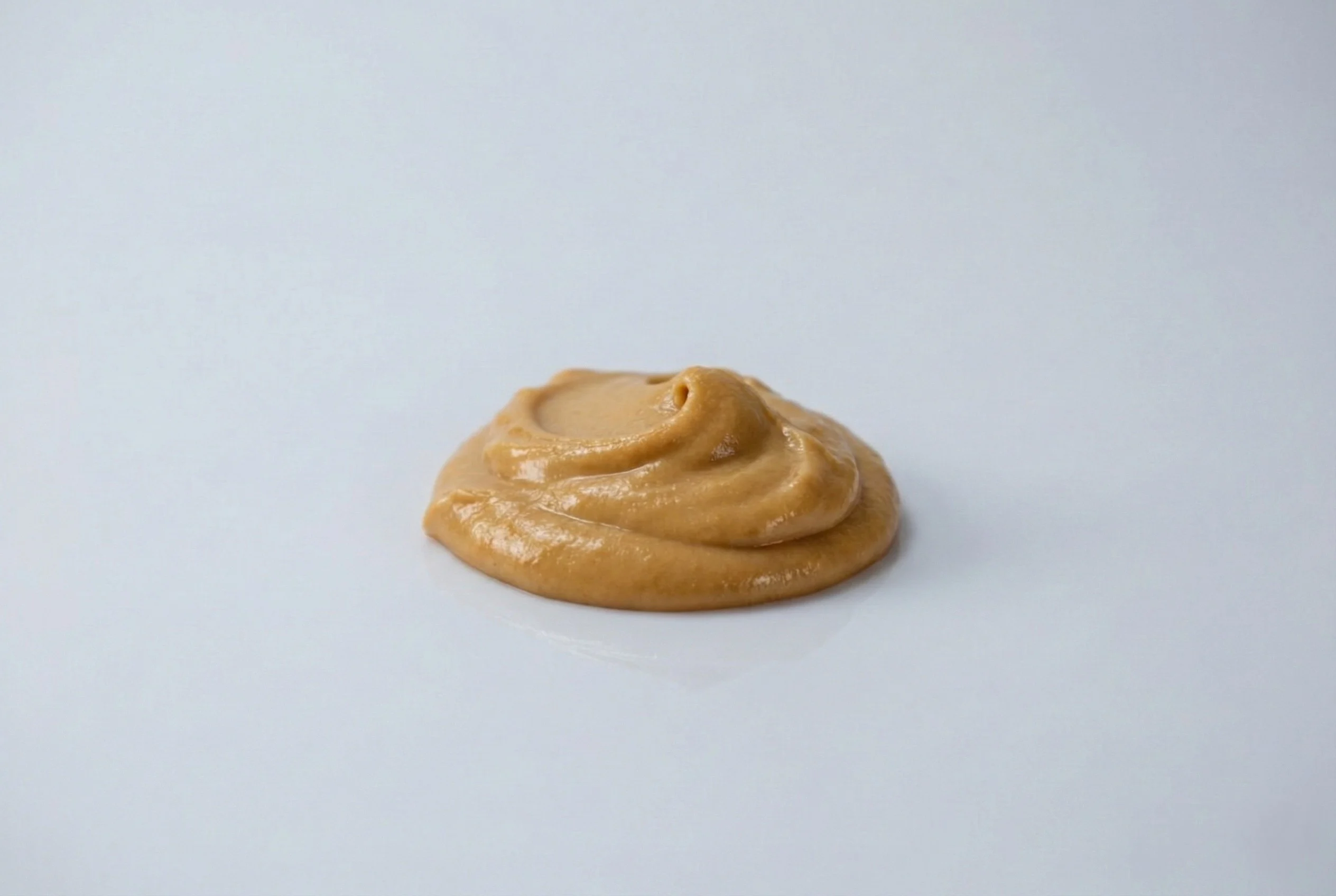
When can babies have peanut butter?
Peanut butter, when thinned out with breast milk, formula, water, or puree, may be introduced as soon as baby is ready to start solids, which is generally around 6 months of age. Peanut butter and peanuts are choking hazards for babies and children, so read How to Serve closely before serving. Avoid peanut butter that contains honey when sharing with babies under 12 months of age due to the risk of infant botulism.
Classified as a major allergen by food regulators, peanut is not actually a nut, but rather the edible seed of a legume plant that grows underground. Peanut originated in South America, where Indigenous people cultivated the groundnut for nourishment and ceremonial purposes. European colonizers brought peanuts with them around the globe. Peanut butter is made by grinding peanuts into a paste and is commonly used as a spread, or as an ingredient in sauces, baked goods, desserts, and much more.
How do you serve peanut butter to babies?
Cada bebé se desarrolla a su propio ritmo, y las sugerencias que ofrecemos sobre cómo cortar o preparar determinados alimentos son generalizaciones para una amplia audiencia.
4 months old +:
For most babies, allergen introduction can begin once they show all of the signs that they are ready to start solids, which is typically around 6 months of age. However, if your baby is at increased risk of food allergy, your doctor may recommend allergen introduction as early as 4 months of age. Start with a small amount (such as ¼ teaspoon) of smooth peanut butter (honey-free) thinned out with water, breast milk, or formula and gradually increase the quantity offered as long as baby shows no symptoms of an allergic reaction. Once peanut is successfully introduced, offer it regularly (ideally twice a week) to help prevent peanut allergy from developing. Subscribe to the Solid Starts App for step-by-step guidance, including quantities, schedules, and answers to common questions.
6 months old +:
To introduce peanut, start with a small amount (such as ¼ teaspoon) of smooth peanut butter (honey-free) thinned out with water, breast milk, or formula and gradually increase the quantity offered as long as baby shows no symptoms of an allergic reaction. Subscribe to the Solid Starts App for step-by-step guidance, including quantities, schedules, and answers to common questions.
Once peanut is successfully introduced, keep it in the diet regularly (ideally twice a week) to help prevent peanut allergy from developing. At this age, thinned out peanut butter can be offered on its own, as a peanut sauce on meat or vegetables, or mixed into other soft, scoopable foods like oatmeal or yogurt. You can also spread a thin layer of the thinned-out peanut butter on toast. Pancakes, banana bread, and other baked goods made with peanut butter are another way to keep up exposure.
12 months old +:
Continue to mix smooth peanut butter into soft, scoopable foods and add peanut butter to the batter for baked goods. Offer smooth peanut butter thinly spread on toast and try serving with a drink of water or milk to help wash down any sticky pieces.
18 months old +:
Serve smooth peanut butter as desired, mixed into or spread on top of other foods, or incorporated into sauces, marinades, or batters for baked goods. At this age, you can also offer chunky peanut butter thinly spread on other foods.
Videos
Is peanut butter a choking hazard for babies?
Yes. Peanut butter can be thick and sticky, qualities that can increase the risk of choking. To reduce the risk, prepare and serve peanut butter in an age-appropriate way as described in How to Serve. As always, create a safe eating environment and stay within reach of baby during meals.
Learn the signs of choking and more about choking first aid in our free guides, Infant Rescue and Toddler Rescue.
¿Es el maní un alérgeno común?
Sí. El maní es un alérgeno común, y para quienes desarrollan alergia al maní, esta suele durar toda la vida.[1]
Sin embargo, hay buenas noticias: introducir el maní de forma temprana y servirlo con regularidad, incluso durante los años de la primera infancia, puede ayudar a prevenir que se desarrolle la alergia.[2] [3]
Aunque la mayoría de los bebés nunca experimentará una reacción alérgica a un alimento, retrasar la introducción de alérgenos alimentarios comunes como el maní (cacahuate) en realidad puede aumentar el riesgo de que se desarrolle una alergia. Los bebés con eczema o con una alergia ya existente a otro alimento, en particular al huevo, tienen un mayor riesgo de desarrollar una alergia al maní (cacahuate), especialmente si la introducción se retrasa. [4] La introducción temprana del maní (cacahuate) (idealmente comenzando a los 4 meses de edad) es especialmente importante para estos bebés, incluso si todavía no están listos desde el punto de vista del desarrollo para alimentarse por sí mismos.[5] Si tu bebé tiene alergias alimentarias conocidas o eczema severo y ya tiene 7 meses de edad o más, consulta con tu doctor antes de introducir el maní (cacahuate) en casa, ya que puede ser más seguro introducir el alérgeno bajo supervisión médica.
Ser alérgico al maní (cacahuate) puede aumentar el riesgo de alergia a otras legumbres. Sin embargo, la reactividad cruzada entre legumbres se observa más comúnmente en las pruebas de sangre y de piel que en la práctica. Los niños con alergia al maní (cacahuate) no necesariamente tienen que evitar todas las demás legumbres.
Para los bebés sin eczema severo ni alergia alimentaria preexistente, los alérgenos comunes como el maní (cacahuate) por lo general pueden introducirse en casa. Comienza con una pequeña cantidad preparada de una manera apropiada para su edad para reducir el riesgo de atragantamiento. Aprende cómo en Cómo Servir. Para una guía paso a paso sobre cómo introducir el maní (cacahuate) de forma segura, suscríbete a la App de Solid Starts.
¿Es el maní (cacahuate) un desencadenante común del SEIPA, síndrome de enterocolitis inducida por proteína alimentaria, o FPIES, por sus siglas en inglés?
El maní (cacahuate) ha surgido recientemente como un desencadenante del SEIPA cada vez más reconocido.[6] El SEIPA, síndrome de enterocolitis inducida por proteína alimentaria, o FPIES, por sus siglas en inglés, es una alergia alimentaria no mediada por IgE que provoca vómito y diarrea de aparición tardía tras la ingestión de un alimento desencadenante, y puede causar una deshidratación significativa. Sin embargo, esto no es razón para retrasar la introducción del maní (cacahuate) a menos que el doctor de tu bebé lo indique específicamente. A diferencia de la alergia al maní (cacahuate) mediada por IgE, el SEIPA al maní (cacahuate) tiende a superarse durante los años de la primera infancia. Lee más sobre el SEIPA.
Is peanut butter healthy for babies?
Yes. Peanut butter is rich in protein, fat, iron, and various other nutrients that support baby’s growth and development. While some versions of peanut butter have added salt or sugar, they are usually in small amounts and tastes of these peanut butters are generally not a cause for concern. For families looking to reduce added salt and sugar, unsalted, unsweetened (sometimes labeled as "natural") peanut butters are an option to explore. Make sure that peanut butter is free of honey for babies 12 months and under, due to the risk of infant botulism.
Material de referencia
Start solids with confidence
- Guided Introduction to 100+ Foods
- Smart Tools to Simplify Mealtime
- Food Allergen 101
- 300+ Meal Ideas
- First Foods® Database
Start solids with confidence
- Guided Introduction to 100+ Foods
- Smart Tools to Simplify Mealtime
- Food Allergen 101
- 300+ Meal Ideas
- First Foods® Database
Consejos de expertos directo en tu correo
Suscríbete para recibir consejos semanales, recetas y más.