
Ketchup
Condimento
- Edad sugerida
- 6 meses
- Rico en hierro
- No
- Alérgeno común
- No
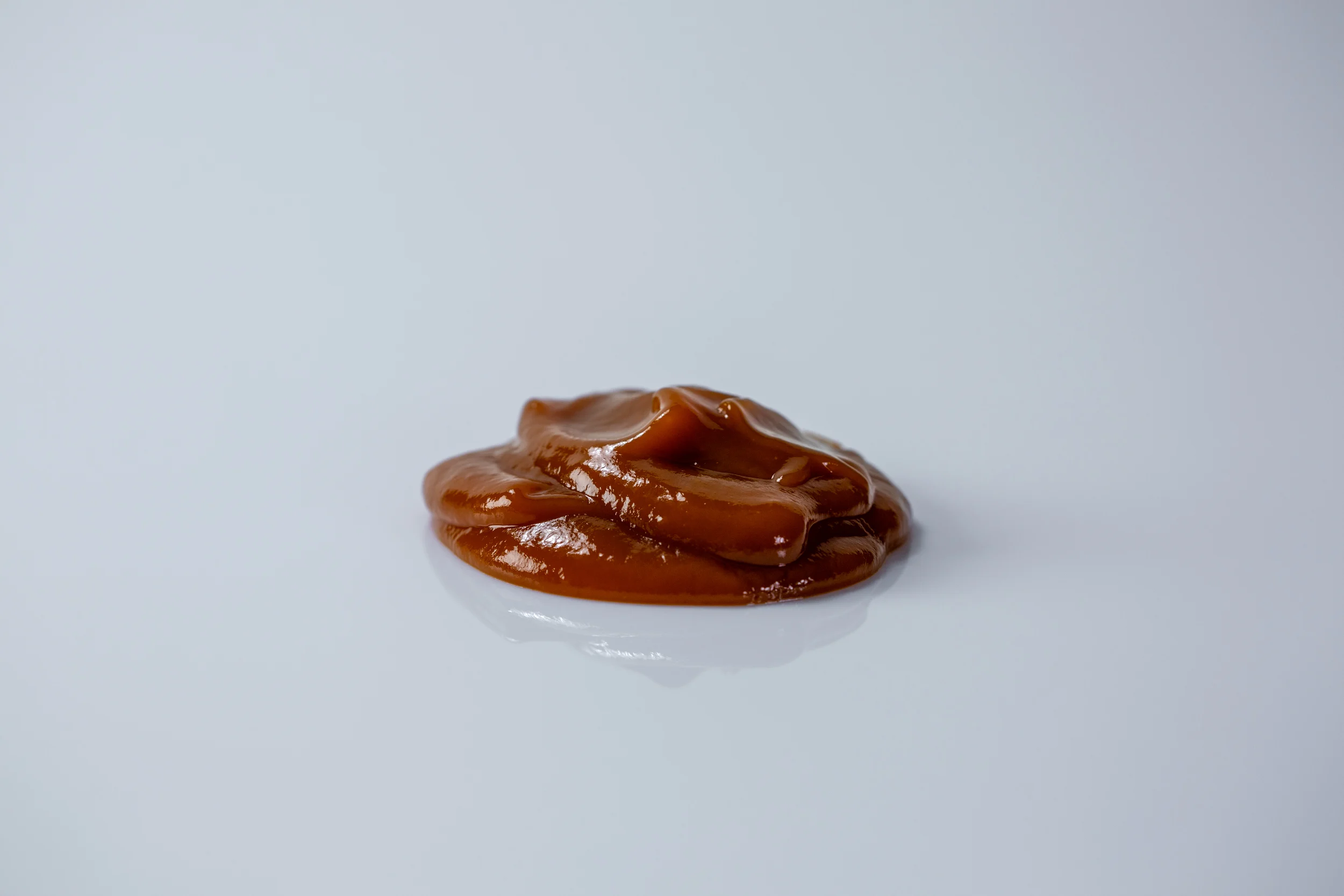
When can babies have ketchup?
Ketchup may be introduced as soon as baby is ready to start solids, which is generally around 6 months of age, as long as it is free of honey, which poses a risk of infant botulism. While ketchup can be high in sodium, a taste here and there as part of a variety of foods is not a cause for concern.
Ketchup is often thought to be an American invention, but the condiment’s history and identity is much more complicated. Through trade and colonization, a sauce made of fermented fish known as ke-tchup or kê-tsiap spread from East Asia to Europe. In England, catsup or ketchup became a catch-all term for tangy sauces with notes of umami and sweetness made from a variety of ingredients, from mushrooms to green chestnuts. When colonization introduced tomatoes from the Americas to Europe, ketchup began to look like the modern version that is beloved worldwide today, with ingredients added to make the product more shelf-stable.
How do you serve ketchup to babies?
Cada bebé se desarrolla a su propio ritmo, y las sugerencias que ofrecemos sobre cómo cortar o preparar determinados alimentos son generalizaciones para una amplia audiencia.
6 months old +:
While ketchup can be high in sodium, sharing a taste here and there as part of a variety of foods is not a cause for concern. You can also feel free to cook with ketchup in the family’s meals as desired. Just make sure that ketchup is honey free due to the risk of infant botulism.
12 months old +:
Feel free to cook with ketchup in the family’s meals as desired, and spread on the child’s food if you’d like. At this age, you can also offer a small cup of ketchup as a dip—just know that the child is just as likely to eat or drink the ketchup on its own, so consider offering a very small amount.
24 months old +:
Serve ketchup in any dish that you want to share with the child or on the side in a small cup for dipping. At this age, you can also help the child squeeze or spread ketchup on their own food, which can help engage toddlers in the meal.
Is ketchup a choking hazard for babies?
No. Ketchup presents a low risk when safely prepared for a child’s age and developmental ability, though, in theory, an individual could choke on any food. To reduce the risk, prepare and serve ketchup in an age-appropriate way as described in the How to Serve section. As always, make sure you create a safe eating environment and stay within an arm’s reach of baby during meals.
Learn the signs of choking and gagging and more about choking first aid in our free guides, Infant Rescue and Toddler Rescue.
Does ketchup contain common allergens?
No, ketchup does not typically contain common food allergens. However, be aware that certain varieties of ketchup may contain common food allergens, including finned fish, soy, or wheat, so be sure to read the label carefully.
Ketchup may contain sulfites, and while sulfites are not a common allergen, certain individuals, particularly those with asthma, may have allergy-like reactions to added sulfites.[1] If sulfites are a concern, avoid ingredients such as sulfur dioxide, potassium bisulfate, potassium metabisulfite, sodium bisulfite, sodium metabisulfite, and sodium sulfite, to name a few.[1]
Note that acidic foods, including the tomato and vinegar in ketchup, can cause a harmless rash on skin that comes into contact with the juices and sometimes contribute to diaper rash. Try applying a thin layer of barrier ointment (such as pure petroleum jelly or a plant-based oil/wax balm) to baby’s face and bottom to help prevent contact rashes.
Prior to sharing ketchup with a child, it is important to introduce any common food allergens in the condiment and rule them out as an allergy. This way, when you are ready to offer ketchup, you’ll be confident that the child has already safely eaten these common food allergens. This approach will also help you identify which food is responsible if the child has an allergic reaction when eating a dish that contains ketchup combined with other ingredients.
As you would when introducing any new food, start by offering a small quantity for the first few servings. If there is no adverse reaction, gradually increase the quantity over future meals.
Is ketchup safe for babies?
Yes. As long as the ketchup is free of honey, which carries a risk of infant botulism, ketchup is safe for babies once they are ready for solids. While ketchup can be high in sodium, a taste here and there as part of a variety of foods is not a cause for concern.
¿Cuáles son algunos ejemplos de alimentos con los que puedo comenzar?
Hay muchos alimentos que pueden ser excelentes opciones. Busca alimentos que permitan que el/la bebé se alimente solo/a fácilmente, que tengan bajo riesgo de ahogamiento y que ofrezcan los nutrientes que los bebés necesitan, como el hierro. Algunos de nuestros primeros alimentos favoritos incluyen brócoli al vapor, avena, y semilla de mango.
¿Debo comenzar ofreciendo purés?
Puedes hacerlo si lo deseas, pero desde un punto de vista del desarrollo, no es necesario comenzar con alimentos sin textura. A los bebés se les pueden servir versiones modificadas de lo que tú comes. Utiliza nuestra base de datos First Foods para descubrir cómo servir cualquier alimento de forma segura.
Material de referencia
Cleveland Clinic. (2020). Sulfite sensitivity.
Start solids with confidence
- Guided Introduction to 100+ Foods
- Smart Tools to Simplify Mealtime
- Food Allergen 101
- 300+ Meal Ideas
- First Foods® Database
Start solids with confidence
- Guided Introduction to 100+ Foods
- Smart Tools to Simplify Mealtime
- Food Allergen 101
- 300+ Meal Ideas
- First Foods® Database
Consejos de expertos directo en tu correo
Suscríbete para recibir consejos semanales, recetas y más.