
Half and Half
Lácteo
- Edad sugerida
- 6 meses
- Rico en hierro
- No
- Alérgeno común
- Sí
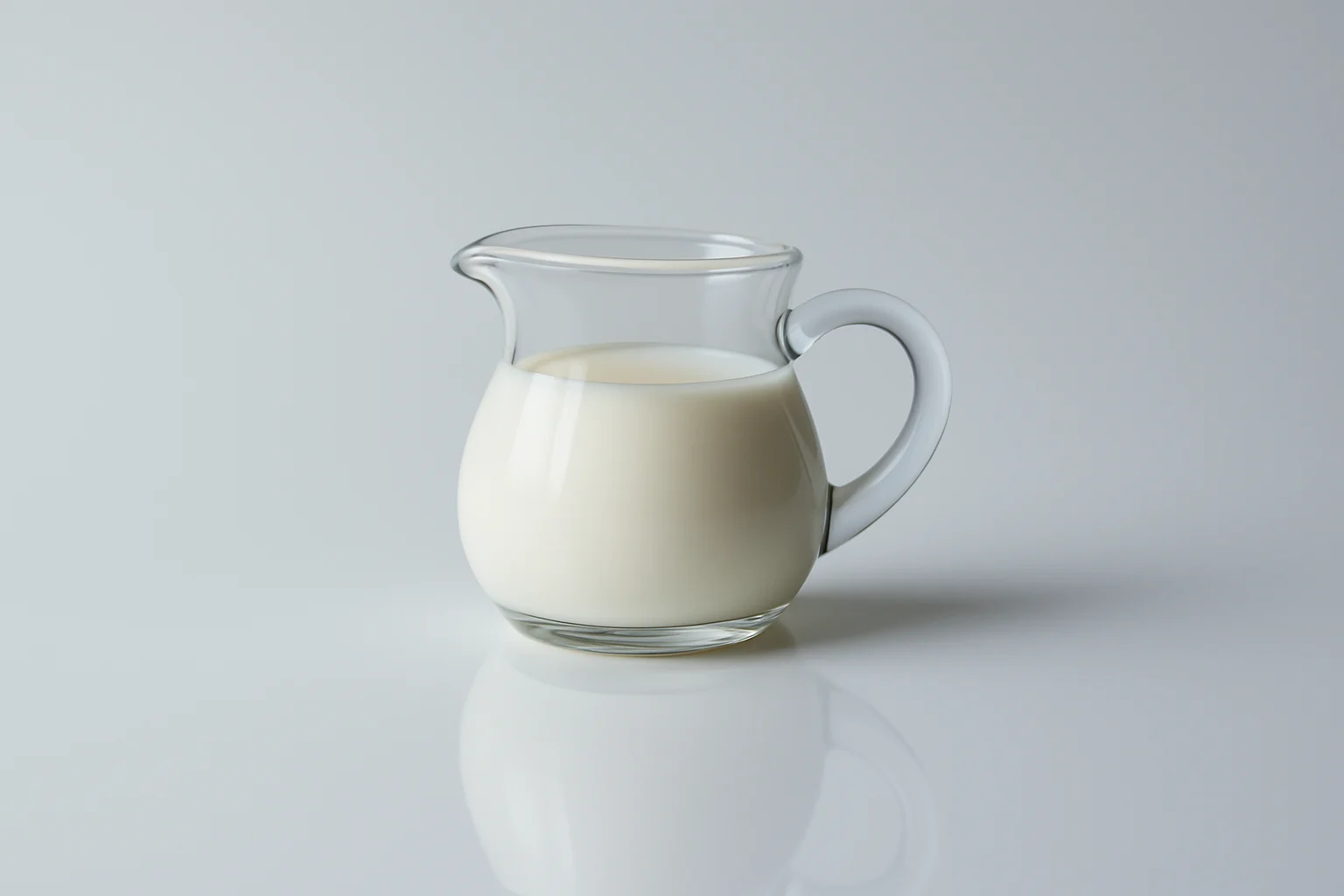
When can babies have half and half?
Half and half can be introduced as an ingredient in solid food (but not as a drink) as soon as baby is ready to start solids. Hold off on milk products like half and half as a drink until after baby’s first birthday so as not to displace breast milk and formula intake in baby’s first year of life. Choose pasteurized half and half to reduce the risk of foodborne illness.[1] [2]
Half and half, also known as half cream in the UK, is a mixture of cream and whole milk, and is often stirred into coffee, soups, the batter for baked goods, egg dishes, and more. Due to its component parts, half and half is creamier than milk, but not as rich as light cream.
How do you serve half and half to babies?
Cada bebé se desarrolla a su propio ritmo, y las sugerencias que ofrecemos sobre cómo cortar o preparar determinados alimentos son generalizaciones para una amplia audiencia.
6 to 11 months old:
Offer half and half mixed into meals like porridge, mashed potatoes, or stew, but not as a drink. Hold off on half and half as part of a drink until after baby’s first birthday so as not to displace breast milk and formula intake in baby’s first year of life.
12 months old +:
At this age, it’s fine to offer half and half both in meals and as a drink. Continue to mix a bit of half and half into porridge, mashed potatoes, or stew, or add a bit to an age-appropriate drink like herbal tea.
Is half and half a choking hazard for babies?
No. Half and half presents a low risk when safely prepared for a child’s age and developmental ability, though, in theory, an individual could choke on any food. To reduce the risk, prepare and serve half and half in an age-appropriate way as described in the How to Serve section. As always, create a safe eating environment and stay within reach of baby during meals.
Learn the signs of choking and more about choking first aid in our free guides, Infant Rescue and Toddler Rescue.
Is half and half a common allergen?
Yes, half and half is typically made from cow’s milk, which is classified as a common allergen and is a common food allergen in young children, accounting for about one-fifth of all childhood food allergies.[3] [4] Keep in mind that dairy products from other ruminants such as sheep, goat, and buffalo may provoke similar allergic reactions to cow’s milk dairy products.[5] That said, there’s good news: milk allergy often disappears with time. Research shows that the majority of children with cow's milk allergy will outgrow it by age 6 and many babies with milder symptoms of milk protein allergy (which can show up as painless blood in stool) are able to successfully reintroduce cow's milk as early as their first birthday, with the guidance of their appropriate pediatric health professionals.[6] [7] Even among those children who are not yet able to drink cow’s milk, many are able to tolerate milk that has been fully baked into a cake or muffin.
Milk is a common cause of food protein-induced enterocolitis syndrome, also known as FPIES. FPIES is a delayed allergy to food protein which causes the sudden onset of repetitive vomiting and diarrhea to begin a few hours after ingestion. This is termed acute FPIES. Left untreated, the reaction can result in significant dehydration. When milk is in the diet regularly, FPIES can present as reflux, weight loss, and failure to thrive - this is termed chronic FPIES. Symptoms generally improve with elimination of milk from the baby’s diet. Thankfully, like other forms of milk allergy, FPIES which presents early in life is generally outgrown by the child has reached 3-5 years of age.[8]
Lactose intolerance, which is when the body has a hard time processing lactose, the sugar that is naturally present in milk, can sometimes be mistaken for an allergy as it can result in bloating, gas, diarrhea, nausea, and other discomfort. The good news is that lactose intolerance is uncommon in babies, toddlers, and younger children overall; however, intolerance tends to become more prevalent as babies grow older and may affect up to 70% of the world’s population.[9] Be sure to connect with an appropriate pediatric health care professional for any questions about lactose intolerance and know there are many lactose-free dairy foods available.
If you suspect your baby may be allergic to dairy products, consult an allergist before introducing milk. Based on your baby’s risk factors and history, your allergist may recommend allergy testing, or may instead advise milk introduction under medical supervision in the office. If the risk is low, you may be advised to go ahead and introduce milk in the home setting. As with all common allergens, start by serving a small quantity on its own for the first few servings, and if there is no adverse reaction, gradually increase the quantity over future meals. Once common food allergens are successfully introduced, it is recommended to keep them in the diet regularly (twice weekly, if possible).
Is half and half healthy for babies?
Yes. Half and half is a concentrated source of fat and energy to help fuel baby’s rapid growth and neurodevelopment. Its fat content also helps optimize the absorption of fat-soluble vitamins in other foods, such as vitamins A, D, E, and K. Half and half is rich in calcium and vitamins A and B12 and also offers a touch of zinc and choline, as well as B vitamins to support bone health, immunity, the brain, and more.
Can babies have unpasteurized half and half?
There is no age at which consuming unpasteurized dairy products like half and half is without risk, so whether or when to serve it is a personal decision for which you must make an informed decision in the context of your child. Raw milk products can harbor pathogenic bacteria and other potential contaminants that can increase the risk of foodborne illnesses, with more risk of severe symptoms in babies.[10] [1] Pasteurization—the process of heating a food to a certain temperature to kill bacteria—reduces the risk of foodborne illness and thus makes food safer to eat.[11] For these reasons and more, many medical organizations recommend pasteurized milk for human consumption.[10]
Material de referencia
Start solids with confidence
- Guided Introduction to 100+ Foods
- Smart Tools to Simplify Mealtime
- Food Allergen 101
- 300+ Meal Ideas
- First Foods® Database
Start solids with confidence
- Guided Introduction to 100+ Foods
- Smart Tools to Simplify Mealtime
- Food Allergen 101
- 300+ Meal Ideas
- First Foods® Database
Consejos de expertos directo en tu correo
Suscríbete para recibir consejos semanales, recetas y más.