
Ground Turkey
Carne
- Edad sugerida
- 6 meses
- Rico en hierro
- Sí
- Alérgeno común
- No
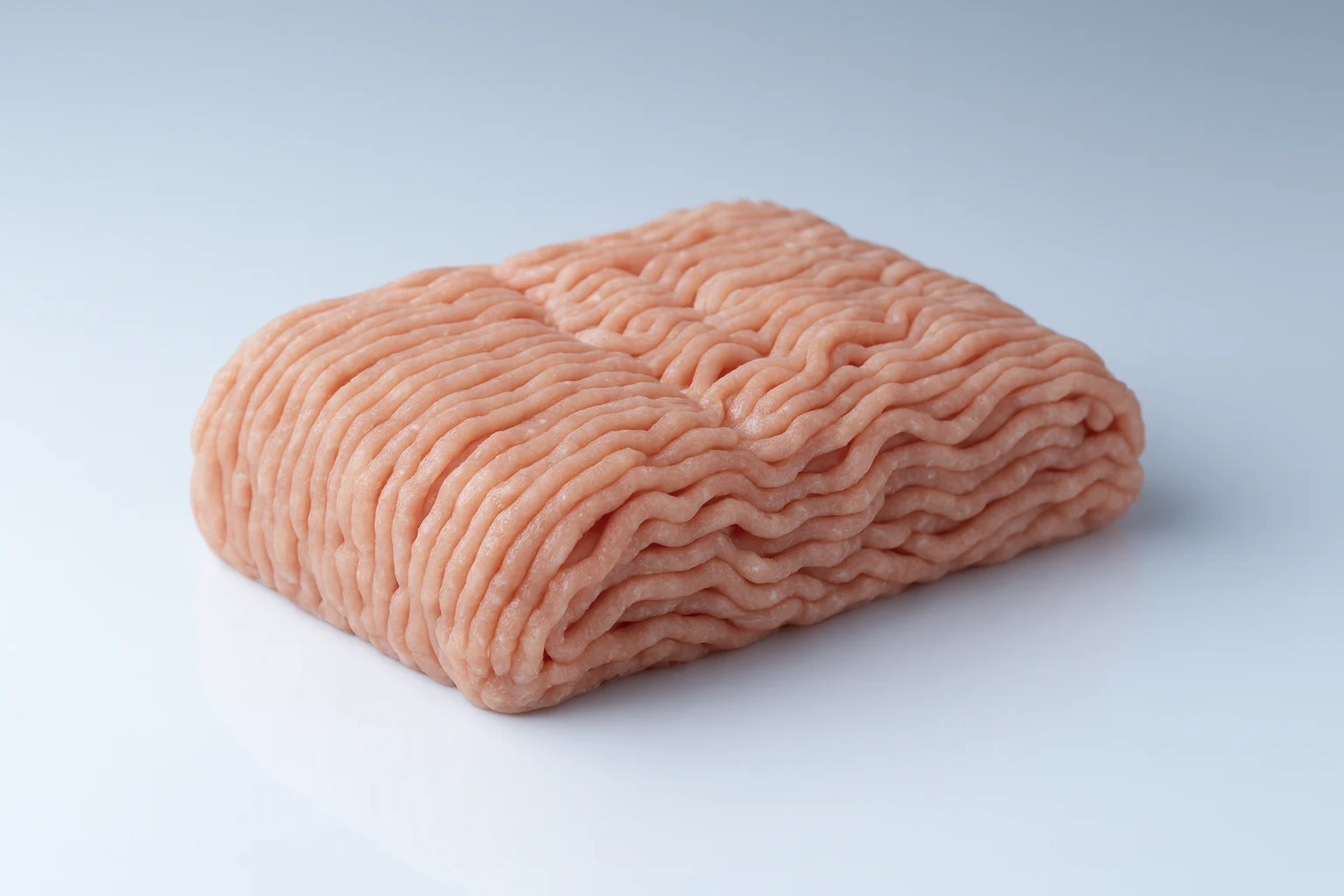
When can babies have ground turkey?
Ground turkey, when well-cooked, may be offered as soon as baby is ready to start solids, which is generally around 6 months of age.
Turkeys are large birds that originated in the fields and forests of the Americas. Thousands of years ago, people in Mesoamerica revered the bird’s wild ancestors, not only as a source of food and medicine, but also for its role in ceremonies and rituals. Today, the bird still holds significance as a celebratory food at gatherings, holidays, and weddings worldwide, especially in the Americas, where the majority of domesticated turkeys are raised.
How do you serve ground turkey to babies?
Cada bebé se desarrolla a su propio ritmo, y las sugerencias que ofrecemos sobre cómo cortar o preparar determinados alimentos son generalizaciones para una amplia audiencia.
6 months old +:
Offer tiny crumbles of ground turkey that have been mixed into a soft, scoopable food like mashed potato or a sauce like marinara. You can also serve meatballs or meatloaf made from ground turkey; just make sure the food is fully cooked to 165 F (74 C), soft enough that it mashes between your thumb and pointer finger, and larger than baby’s mouth.
9 months old +:
When you see signs of a developing pincer grasp (when the thumb and pointer finger meet), you can move down in size and offer small crumbles of soft, well-cooked ground turkey on their own or bite-sized pieces of turkey meatball or meatloaf for baby to practice picking up. When preparing turkey, make sure it is fully cooked to 165 F (74 C), and ground turkey crumbles, meatballs, or meatloaf are soft enough to easily mash with gentle pressure. Cooking ground turkey in sauce or stew or mixing breadcrumbs, egg, and/or milk into meatballs or meatloaf can help keep them soft.
12 months old +:
Serve bite-sized pieces of well-cooked, soft turkey meatball or meatloaf for the child to practice picking up with fingers or a utensil. Or you can offer a whole meatball for the child to dip in sauce or practice taking bites from. You can also try serving crumbled ground turkey mixed with grains, pasta, or vegetables.
Videos
Is ground turkey a choking hazard for babies?
Yes. Ground turkey can be challenging to chew and manage in the mouth, qualities that increase the risk of choking. To reduce the risk, prepare and serve it in an age-appropriate way as described in the How to Serve section. Also, be sure not to overcook turkey, as this causes it to be dry and more challenging to chew and swallow. As always, create a safe eating environment and stay within reach of baby during meals.
Learn the signs of choking and more about choking first aid in our free guides, Infant Rescue and Toddler Rescue.
Is ground turkey a common allergen?
No. Turkey is not a common food allergen; however, cases of turkey allergy have been reported. Additionally, individuals with allergies to chicken meat may have an increased risk of allergy to turkey due to cross-reactivity. Turkey has been reported as a potential trigger for FPIES (Food Protein-Induced Enterocolitis Syndrome), which results in delayed vomiting with or without diarrhea beginning 2 to 4 hours after the ingestion of the meat. Some individuals with known allergy to feather and egg also have positive allergy test results to poultry meat. However, this does not commonly result in symptoms after the ingestion of well-cooked meat, as the allergenic protein is heat-sensitive. Therefore, routine testing for turkey meat allergy is not recommended in cases of egg allergy.
Is ground turkey healthy for babies?
Yes. Turkey is rich in protein, in addition to choline, iron, selenium, and zinc, as well as vitamins B6 and B12. Together, these nutrients work together to support baby’s development, growth, brain functioning, red blood cells, immune function, taste perception, and metabolic processes.
★ Tip: Turkey is associated with foodborne illness from bacteria like Salmonella and Campylobacter.[1] Taking the appropriate precautions can minimize the risk: Keep turkey in the refrigerator or freezer and store it separately from produce. Thaw frozen meat in the refrigerator (not on the counter) and cook turkey to an internal temperature of 165 degrees Fahrenheit (74 degrees Celsius) before serving. Always wash your hands and surfaces that come in contact with the raw meat.
Is ground turkey healthier than ground beef?
Both are nutritious and good sources of protein and iron. Choose whichever is accessible to you and your family enjoys. Ground turkey is typically lower in saturated fat, while beef provides slightly higher levels of iron and zinc.

Material de referencia
Start solids with confidence
- Guided Introduction to 100+ Foods
- Smart Tools to Simplify Mealtime
- Food Allergen 101
- 300+ Meal Ideas
- First Foods® Database
Start solids with confidence
- Guided Introduction to 100+ Foods
- Smart Tools to Simplify Mealtime
- Food Allergen 101
- 300+ Meal Ideas
- First Foods® Database
Consejos de expertos directo en tu correo
Suscríbete para recibir consejos semanales, recetas y más.