
Goat
Carne
- Edad sugerida
- 6 meses
- Rico en hierro
- Sí
- Alérgeno común
- No
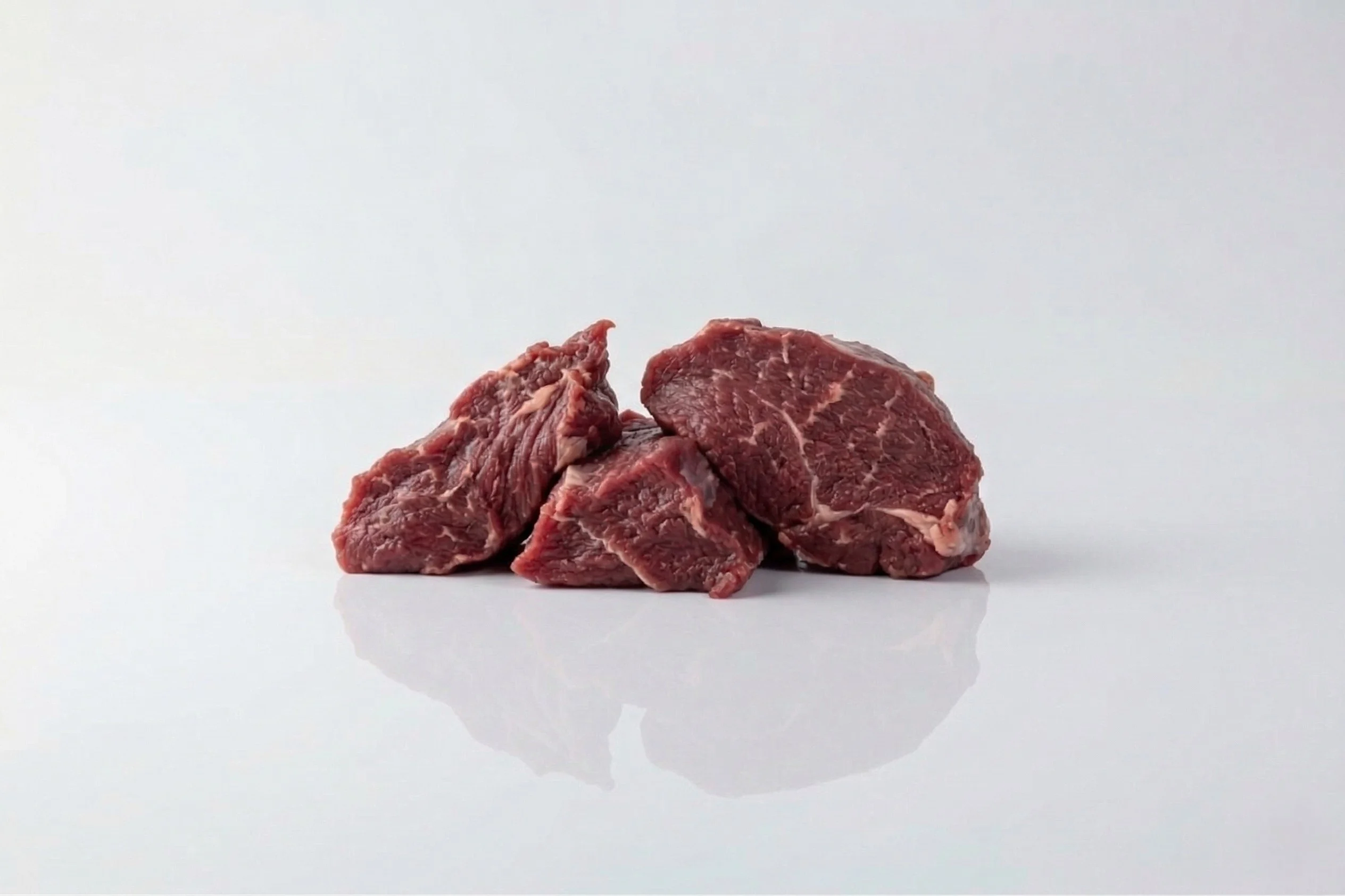
When can babies have goat?
Goat meat may be introduced as soon as baby is ready to start solids, which is generally around 6 months of age.
Prized in cuisines across the globe, goat has fed families across cultures for thousands of years and is central to countless traditional dishes and celebrations. In the Caribbean, it is slow-braised into rich curries; in Mexico, it is slow-roasted as birria or barbacoa; and across South and Southwest Asia, it is the foundation of beloved dishes like rogan josh, nihari, and mansaf. Also known as chevon (adult goat) or cabrito (young goat), goat meat has a savory, slightly sweet flavor that is often described as richer than lamb and leaner than beef.
How do you serve goat to babies?
Cada bebé se desarrolla a su propio ritmo, y las sugerencias que ofrecemos sobre cómo cortar o preparar determinados alimentos son generalizaciones para una amplia audiencia.
6 months old +:
Offer finely shredded goat in dishes like curry or stew, where the meat is soft and tender from sauce or stewing liquid. Baby can scoop the stew with their hands, or you can pull the shredded goat out of the stew and mix it into a scoopable food like mashed potato.
Mix ground goat that has been cooked well-done into an easy-to-scoop food like mashed potato, porridge, or yogurt. Avoid serving crumbles of dry, ground meat on their own, as they can pose an increased risk of choking. Alternatively, prepare burgers or meatballs with ground goat that are at least 2 in (5 cm) in diameter and cooked until the internal temperature reaches 160 F (71 C). Make sure the cooked burger or meatball is soft enough to be easily mashed by baby’s gums. To test if it is soft enough, hold it between your thumb and pointer finger and give it a gentle squeeze. Dipping the meat in sauce can aid swallowing.
Alternatively, offer bone-in goat chop with loose chunks of meat and fat removed or thick strips of braised goat shank about the size of two adult fingers pressed together. At this age, baby will mostly just suck and gnaw on the chop or strip of meat. If baby succeeds in biting off a big piece, take a deep breath, stay calm, and give the child a chance to work with the food. In most cases, baby will spit it out or the gag reflex will help thrust it forward and out of the mouth.
9 months old +:
Serve small shreds of well-cooked, tender goat either on their own or as part of a meal. If you want to share stews, kebabs, and other family meals with cubed meat, make sure to shred the meat to minimize the risk of choking. You can also break meatballs or burger patties made of ground goat into small, bite-sized pieces for the child to practice the pincer grasp and fine motor skills. If baby is not quite ready to pick up smaller pieces of food, continue to offer bone-in goat chops with loose pieces removed, ground goat in sauces, or whole burgers or patties that are at least 2 in (5 cm) in diameter and cooked until the internal temperature has reached 160 F (71 C). Dipping goat in a sauce can aid swallowing. If a big piece of meat breaks off in the mouth, coach the child to spit the food out by dramatically sticking out your own tongue and saying “ah” repeatedly.
12 months old +:
Serve shreds of goat chop or braised goat shank, either on their own or as part of a meal. Serving the pieces in a sauce can help make the meat more manageable in the child’s mouth. Avoid cubes of meat, as these continue to pose an increased risk of choking. You can also offer meatballs or patties cut up into bite-sized pieces as finger food or fork practice.
18 months old +:
Offer shredded or minced goat meat, as well as ground goat patties or meatballs. Refrain from offering goat cut into cubes or large chunks, as these sizes continue to pose a higher risk of choking. At this age, consider going back up in size to longer slices of tender goat meat that the child can practice taking bites from to build their tearing skills.
Videos
Is goat a choking hazard for babies?
Yes. Depending on the cut and how it is prepared, goat meat can be tough, fibrous, and chewy, which are qualities that pose an increased risk of choking. To reduce the risk, prepare and serve goat in an age-appropriate way as described in How to Serve. As always, make sure to create a safe eating environment and stay within reach of baby during meals.
Learn the signs of choking and more about choking first aid in our free guides, Infant Rescue and Toddler Rescue.
Is goat a common allergen?
No. Goat is not a common food allergen, although goat allergy has been reported.[1] [2] Certain tick bites (mainly the Lone Star tick in the continental United States, but other ticks in different parts of the world), are associated with the development of an allergy to galactose-alpha-1, 3-galactose (“alpha gal”), a sugar which is present in many red meats. This results in a delayed allergic reaction 3-8 hours after the consumption of red meat, such as goat.[1] However, some individuals with alpha gal allergy also react to small amounts of the sugar present in dairy products, gelatin, or organ tissues from mammals.[3] Alpha gal allergy is more prevalent in the southeastern United States but is starting to become more common in other areas as the geographic distribution of the Lone Star tick expands.
Is goat healthy for babies?
Yes. Goat meat is a protein-rich food that provides the building blocks baby needs to fuel their rapid growth. It is also packed with other essential nutrients for baby, such as iron, zinc, selenium, choline, and vitamin B12. Together, these nutrients work to prevent anemia, ensure a healthy metabolism, support growth and development, and build a strong immune system. Babies need increasing amounts of iron starting at the 6-month mark, when their reserves become depleted, and goat meat offers a great source of dietary iron at this stage of baby’s life.
What does goat meat taste like?
Goat has a rich, savory, and slightly sweet flavor that is often described as somewhere between lamb and beef—more robustly flavored than beef, but milder and less fatty than lamb. Young goat (cabrito) tends to have a more delicate, mild flavor, while meat from older animals is more intense.
Can babies eat goat meat curry?
Yes. Goat curry is a great way to introduce goat meat to babies who are ready for solid food, as the slow, moisture-rich cooking process produces tender, shreddable meat in a flavorful sauce that is easy for babies to manage. Shred the meat for baby and offer on its own, or along with soft cooked pieces of vegetable from the curry. If the curry is very spicy, taste it yourself before serving and consider setting aside a mild portion for baby before adding chili or other hot spices.
Material de referencia
Start solids with confidence
- Guided Introduction to 100+ Foods
- Smart Tools to Simplify Mealtime
- Food Allergen 101
- 300+ Meal Ideas
- First Foods® Database
Start solids with confidence
- Guided Introduction to 100+ Foods
- Smart Tools to Simplify Mealtime
- Food Allergen 101
- 300+ Meal Ideas
- First Foods® Database
Consejos de expertos directo en tu correo
Suscríbete para recibir consejos semanales, recetas y más.