
Fontina
Lácteo
- Edad sugerida
- 6 meses
- Rico en hierro
- No
- Alérgeno común
- Sí
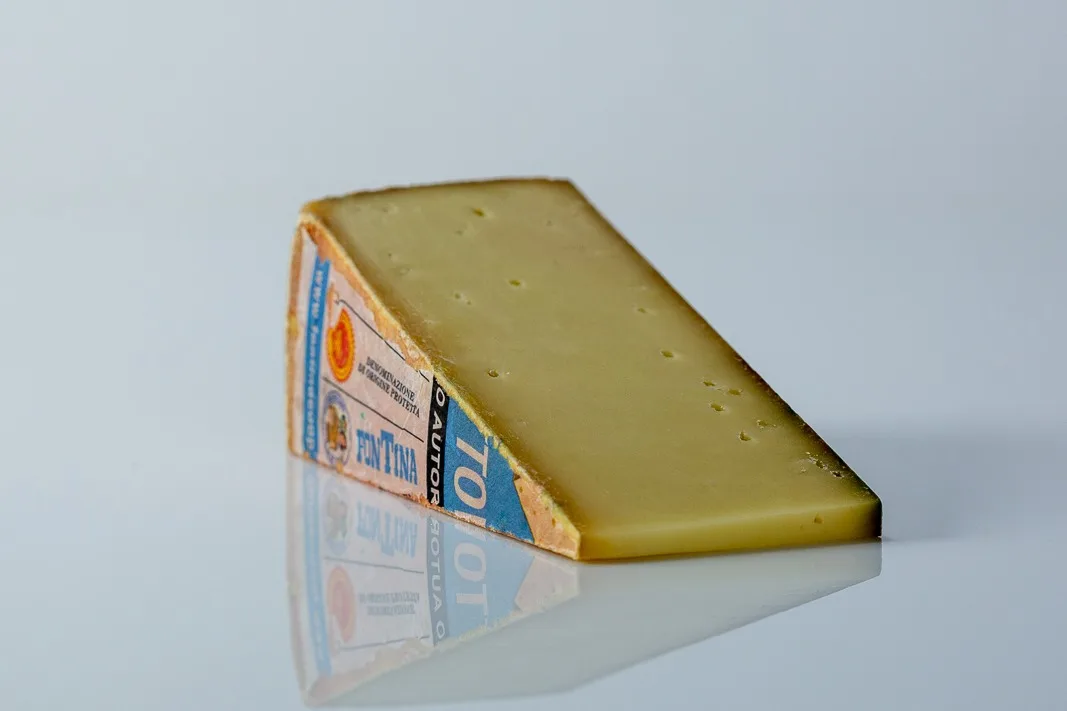
When can babies have fontina?
Fontina cheese may be introduced as soon as baby is ready to start solids, which is generally around 6 months of age. While fontina cheese can be high in sodium, a taste here and there as part of a varied diet is not a cause for concern. Choose pasteurized fontina to minimize the risk of foodborne illness.[1] [2]
Fontina is a style of cow’s milk cheese from the mountains of Italy. In the Val d’Aosta, the cheese is made with raw milk from a single milking of Valdostana cows—a production process that is protected and regulated by Designated Protection of Origin. Worldwide, there are many cheeses called fontina, some made from pasteurized cow’s milk, and others made from milks of other animals, but all share a creamy texture and a mild, nutty flavor.
How do you serve fontina to babies?
Cada bebé se desarrolla a su propio ritmo, y las sugerencias que ofrecemos sobre cómo cortar o preparar determinados alimentos son generalizaciones para una amplia audiencia.
6 months old +:
Offer long, flat slices of pasteurized fontina for baby to hold and munch on. If you want to use fontina in melted form, opt for shredded fontina and sprinkle sparingly, as large globs of melted cheese can be difficult for young babies to chew and manage in the mouth. Avoid offering any kind of cheese in cubes and large chunks.
9 months old +:
Serve pasteurized fontina in long, flat slices or thin bite-sized pieces torn from a flat slice. Alternatively, grate the cheese and serve the cheese on its own or melted into meals; continue to sprinkle sparingly as large globs of melted cheese can be difficult for babies to chew and manage in the mouth. Continue to avoid serving cheese in cube shapes or large melted globs, as these pose an increased choking risk.
12 months old +:
Serve bite-sized pieces of pasteurized fontina cut from a flat slice, shredded fontina, or long flat slices for biting and tearing practice. At this age, you can also melt the cheese in a thin layer over bread, pasta, or vegetables. Just make sure the cheese isn’t too hot, but also hasn’t cooled so much that it re-hardens or gets clumpy.
18 months old +:
Continue serving pasteurized fontina in small flat pieces, long, flat slices, or shredded, as desired. At this age, you can also serve melted fontina in dishes like fondue for dipping. At this age, you can also dip an age-appropriate food like pieces of bread or thin slices of apple into the melted cheese, then let the food cool slightly before offering it to the child.
3 years old +:
When the child can remain calm and seated for mealtimes and can follow instructions, you can consider serving fondue and giving the child their own fondue fork for dipping. Model how you spear a piece of food onto the fork, then dip into the melted cheese, then explain that we need to let the cheese cool before we eat the piece of food. You can also continue serving bite-sized pieces of pasteurized fontina cut from a thin slice, shredded fontina, or long flat slices for biting and tearing practice.
Videos
Is fontina a choking hazard for babies?
Yes. Cheeses like fontina are firm and can get globby and hard to manage in the mouth, qualities that increase the risk of choking. To reduce the risk, prepare and serve fontina in an age-appropriate way as described in the How to Serve section. As always, create a safe eating environment and stay within reach of baby during meals.
Learn the signs of choking and more about choking first aid in our free guides, Infant Rescue and Toddler Rescue.
Is fontina a common allergen?
Yes. Fontina cheese is often made from cow’s milk, which is a common allergen.[3] It is an especially common food allergen in young children, accounting for about one-fifth of all childhood food allergies.[4] Keep in mind that dairy products from other ruminants such as sheep, goat, and buffalo may provoke similar allergic reactions to cow’s milk dairy products.[5] That said, there’s good news: milk allergy often disappears with time. Research shows that the majority of children with cow's milk allergy will outgrow it by age 6, and many babies with milder symptoms of milk protein allergy (which can show up as painless blood in stool) are able to successfully reintroduce cow's milk as early as their first birthday, with the guidance of their appropriate pediatric health professionals.[6] Note: Aged cheeses generally contain histamines, which may cause rashes in children who are sensitive to them.[7] [8]
Milk is a known trigger of food protein-induced enterocolitis syndrome, also known as FPIES. FPIES is a delayed allergy to food protein which causes the sudden onset of repetitive vomiting and diarrhea to begin a few hours after ingestion. Left untreated, the reaction can result in significant dehydration. Thankfully, like other forms of milk allergy, FPIES which presents early in life is generally outgrown by the time a child has reached 3-5 years of age.[9]
Lactose intolerance, which is when the body has a hard time processing lactose, the sugar that is naturally present in milk, can sometimes be mistaken for an allergy, as it can result in bloating, gas, diarrhea, nausea, and other discomfort. For those with older children who are lactose intolerant (keep in mind this is uncommon for infants and toddlers), some good news: compared with milk and certain other dairy products, many cheeses may be better tolerated by those with lactose intolerance, particularly aged cheeses, which have lower lactose content.[10] Be sure to connect with an appropriate pediatric health care professional for any questions about lactose intolerance, and know there are many lactose-free dairy foods available.
If you suspect baby may be allergic to milk, consult an allergist before introducing dairy products like cheese. Based on a baby’s risk factors and history, your allergist may recommend allergy testing, or may instead advise dairy introduction under medical supervision in the office. If the risk is low, you may be advised to go ahead and introduce cheese in the home setting. As with all common allergens, start by serving a small quantity for the first few servings. If there is no adverse reaction, gradually increase the amount over future meals.
Is fontina healthy for babies?
Yes. Fontina cheese is rich in protein and fat, as well as an excellent source of calcium, vitamin B12, zinc, selenium, and omega-3 fatty acids, with just a bit of vitamin A. These important nutrients help to support bone development, healthy red blood cells, taste perception, immunity, and neurocognitive development. Choose pasteurized fontina to minimize the risk of foodborne illness.[1] [2]
When can babies have unpasteurized fontina?
There is no age at which eating unpasteurized cheese is definitively safe, so whether or when to serve raw cheese is a personal decision for which you must calculate risk. Raw milk and dairy products can harbor pathogenic bacteria and other potential contaminants that can increase the risk of foodborne illnesses, with more risk of severe symptoms in babies.[11] Pasteurization—the process of heating a food to a certain temperature to kill bacteria—reduces the risk of foodborne illness and thus makes food safer to eat.[12] For these reasons and more, many medical organizations recommend that all dairy products for human consumption should be pasteurized.[11]
When can kids have fondue?
Most children will have the chewing skills to manage age-appropriate pieces of food like thin slices of apple or bite-sized pieces of bread dipped in melted cheese like fondue around 18 months of age. However, there are other factors to consider as well. Many fondue recipes contain alcohol like wine or beer, and even when cooked, it is difficult to determine just how much alcohol remains in a dish, so avoid sharing fondue that contains alcohol when possible. Lastly, wait to give the child their own fork or skewer for dipping food in the cheese until you’re sure they’re ready. The fondue pot itself can be hot, and these utensils are long and often sharp, so make sure the child can listen to instructions and stay calm through the meal before giving them their own fondue fork and teaching them to dip the food for themselves. For many children, this may be around 3 years of age, but it's up to you to assess your child's temperament and readiness for this.
Material de referencia
Start solids with confidence
- Guided Introduction to 100+ Foods
- Smart Tools to Simplify Mealtime
- Food Allergen 101
- 300+ Meal Ideas
- First Foods® Database
Start solids with confidence
- Guided Introduction to 100+ Foods
- Smart Tools to Simplify Mealtime
- Food Allergen 101
- 300+ Meal Ideas
- First Foods® Database
Consejos de expertos directo en tu correo
Suscríbete para recibir consejos semanales, recetas y más.