
Elk
Carne
- Edad sugerida
- 6 meses
- Rico en hierro
- Sí
- Alérgeno común
- No
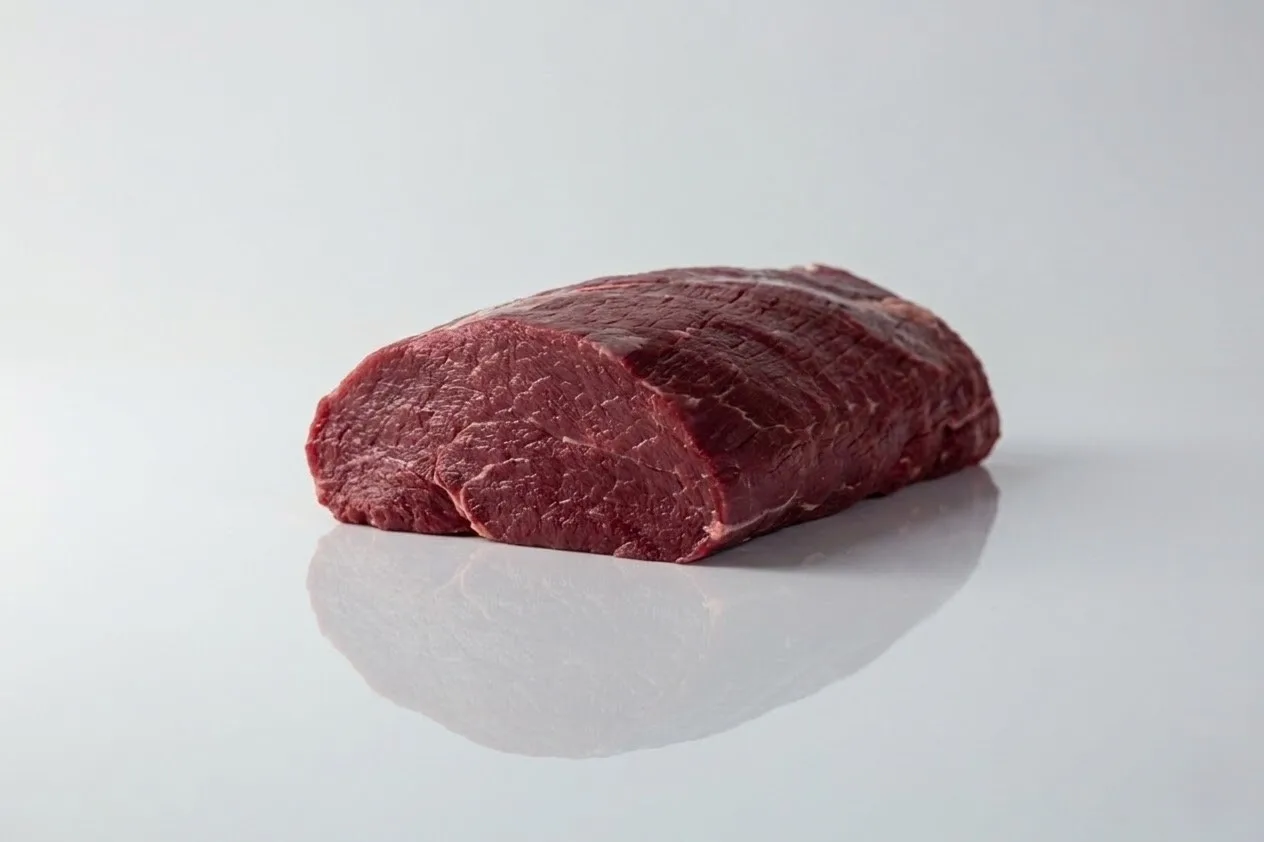
When can babies have elk?
Elk may be introduced as soon as baby is ready to start solids, which is generally around 6 months of age.
Elk is a large species of deer native to North America and parts of Central and East Asia. One of the largest members of the deer family, elk has been hunted for thousands of years and holds deep cultural significance for many Indigenous cultures of North America, where the animal is sometimes known as wapiti. Today, elk is both wild-harvested through hunting and raised on farms. It has a rich, slightly sweet flavor that is often described as leaner and milder than beef or bison, making it a versatile red meat for family meals.
How do you serve elk to babies?
Cada bebé se desarrolla a su propio ritmo, y las sugerencias que ofrecemos sobre cómo cortar o preparar determinados alimentos son generalizaciones para una amplia audiencia.
6 months old +:
Mix ground elk that’s been cooked well-done into an easy-to-scoop food, such as mashed potato. Let baby get messy by scooping with hands or offer a pre-loaded spoon to start to introduce utensils. At this age, you can also offer cooked patties or meatballs made from ground elk as long as they are well-cooked, soft, and at least 2 inches wide or larger. If you have elk steaks like backstrap or ribeye, you can offer a long strip about the size of two adult fingers pressed together. Before offering to baby, remove any loose chunks of meat or pieces of fat. You can finely shred slow-cooked elk and mix it into soft foods like mashed sweet potato, purees, or porridge. Or, lastly, elk bone broth can be used to add flavor and nutrition to purees and porridges for baby.
9 months old +:
Serve small, bite-sized pieces of soft, well-cooked ground elk or slow-cooked shredded elk for baby to pick up with their developing pincer grasp. Continue to ensure the meat is moist—dry or chewy elk poses an increased choking risk.
18 months old +:
Once you feel the child has molars and more mature eating skills (moving food to the side of the mouth to chew, chewing well before swallowing, and not over-stuffing their mouth), you can try offering small, flat slices of elk steak or bite-sized pieces, as long as they are tender and soft. This is a great time to encourage utensil practice too, so try offering bite-sized pieces or crumbles of elk with an age-appropriate fork.
Is elk a choking hazard for babies?
Yes. Depending on how it is prepared, elk meat can be tough, fibrous, and difficult to chew, which are qualities that pose an increased risk of choking. To reduce the risk, prepare and serve elk in an age-appropriate way as described in How to Serve. As always, make sure to create a safe eating environment and stay within reach of baby during meals.
Learn the signs of choking and more about choking first aid in our free guides, Infant Rescue and Toddler Rescue.
Is elk a common allergen?
No. Elk is not a common food allergen, although elk allergies have been reported.[1] [2] [3] Certain tick bites (mainly the Lone Star tick in the continental United States, but other ticks in different parts of the world), are associated with the development of an allergy to galactose-alpha-1, 3-galactose (“alpha gal”), a sugar which is present in many red meats. This results in a delayed allergic reaction 3-8 hours after the consumption of red meat, such as elk.[4] However, some individuals with alpha gal allergy also react to small amounts of the sugar present in dairy products, gelatin, or organ tissues from mammals.[5] Alpha gal allergy is more prevalent in the southeastern United States but is starting to become more common in other areas as the geographic distribution of the Lone Star tick expands.
Is elk healthy for babies?
Yes, when obtained from a reputable source and cooked thoroughly. Elk is a protein-rich food that provides the building blocks baby needs to fuel their rapid growth. It is also packed with essential nutrients for baby, such as iron, zinc, selenium, and vitamins B6 and B12. Together, these nutrients work to promote the creation of red blood cells, ensure healthy metabolism, support growth and neurodevelopment, and build a strong immune system.
Make sure to buy elk meat from a reputable grocer and take care with hunted wild elk.[6] Wild elk is prone to a number of diseases and, if not hunted, processed, and cooked properly, can carry an increased risk of foodborne illness.[7] Lastly, always cook elk thoroughly before serving to babies and toddlers.
Is elk meat safe for babies?
Yes, when prepared properly and served in an age-appropriate way to reduce the risk of choking. Like all meat, elk must be cooked to a safe internal temperature—at least 160°F (71°C) for ground elk and 145°F (63°C) for whole cuts—before serving to baby. Particular care should be taken with wild, hunted elk, which can pose an increased risk of foodborne illness. Because elk is very lean, it can dry out quickly when overcooked, which is why slow-cooking methods and adding moisture (broth, sauce, or fat) work particularly well—both for flavor and for making the meat soft enough for babies to manage safely.
What does elk taste like?
Elk has a rich, savory flavor that is often described as milder and slightly sweeter than beef or venison, with less of the "gamey" taste sometimes associated with other wild game.
Material de referencia
Start solids with confidence
- Guided Introduction to 100+ Foods
- Smart Tools to Simplify Mealtime
- Food Allergen 101
- 300+ Meal Ideas
- First Foods® Database

Start solids with confidence
- Guided Introduction to 100+ Foods
- Smart Tools to Simplify Mealtime
- Food Allergen 101
- 300+ Meal Ideas
- First Foods® Database
Consejos de expertos directo en tu correo
Suscríbete para recibir consejos semanales, recetas y más.