
Dandelion Greens
Verdura
- Edad sugerida
- 6 meses
- Rico en hierro
- No
- Alérgeno común
- No
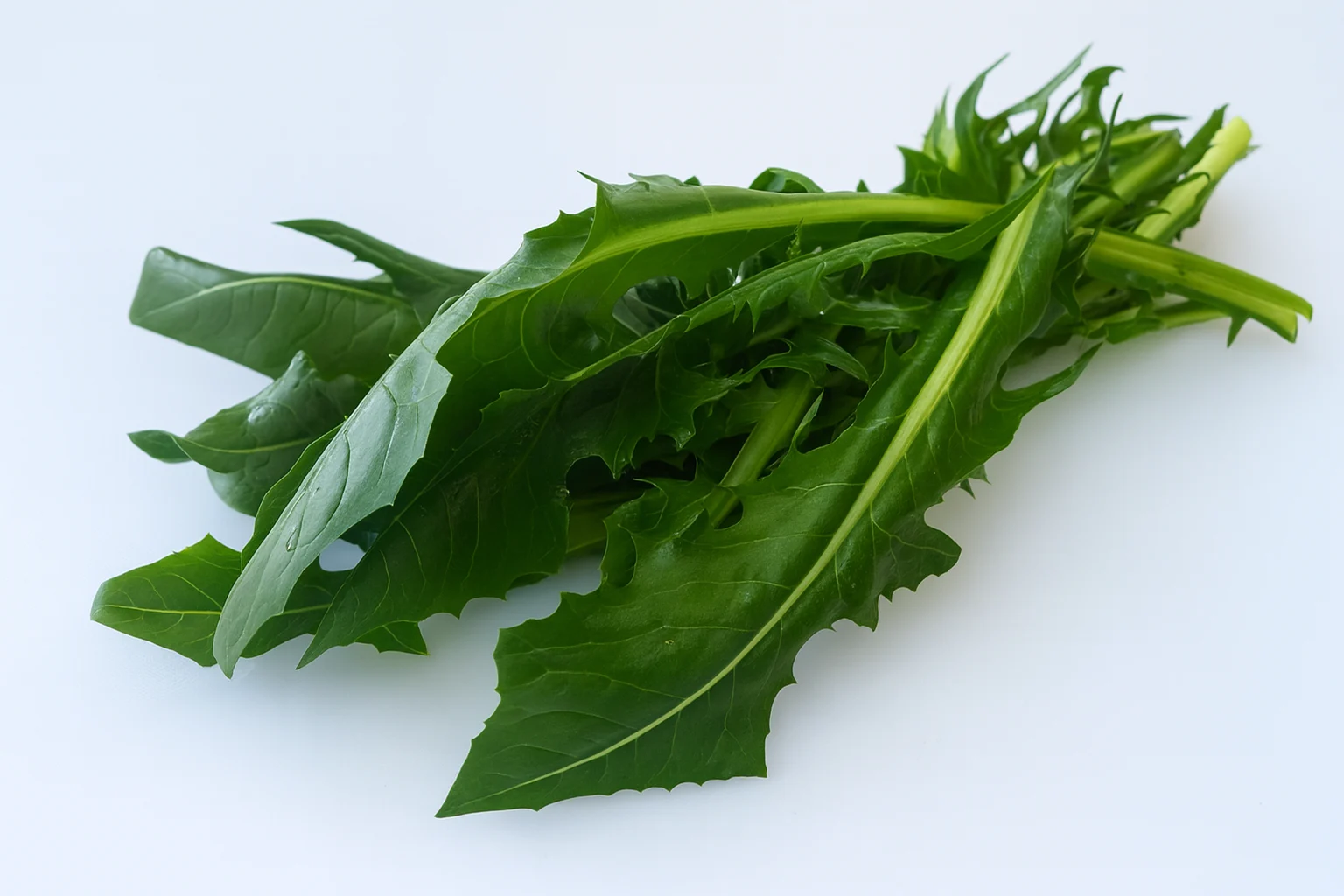
When can babies have dandelion greens?
Dandelion greens may be introduced as soon as baby is ready to start solids, which is generally around 6 months of age. Avoid dandelion extracts, teas, tinctures, pills, and powders, as research on their safety for babies and toddlers is limited.
Dandelions are native to Asia and Europe, but today, the hardy plant thrives in temperate regions worldwide. Their name in English comes from the French for “lion’s tooth,” a nod to the serrated edges of the plant’s leaves. While dandelions grow wild with little encouragement, they are also cultivated in some areas to help the plants grow large, hearty leaves, which are popular for bringing a slightly bitter flavor to pestos, salads, and sautees.
How do you serve dandelion greens to babies?
Cada bebé se desarrolla a su propio ritmo, y las sugerencias que ofrecemos sobre cómo cortar o preparar determinados alimentos son generalizaciones para una amplia audiencia.
6 months old +:
Finely chop or blend dandelion greens into a pesto or sauce to drizzle on food to share with baby. Raw dandelion leaves can be tricky for babies to chew and move around in the mouth, so pesto or sauce is a great way to introduce the food at this age. You can also mix finely chopped dandelion greens into scoopable food like mashed potato or finger foods like egg strips, meat patties, and vegetable pancakes.
9 months old +:
If you’d like to offer raw or cooked chopped pieces of dandelion greens at this age, it’s fine to do so, but know that baby will likely spit them out or that the pieces may stick to baby’s tongue or the inside of their mouth. This may cause some harmless gagging; to reduce discomfort, offer a small drink in an open cup to help wash down the food. Tossing the greens with a bit of olive oil, sauce, or dressing can make the pieces less likely to cling to the inside of baby’s mouth. Baby may not consume much when dandelion is offered this way, and that’s expected. Managing this shape and texture is excellent practice for biting, tearing, and moving the texture around in the mouth. Continue serving dandelion greens as a pesto or sauce, or finely chop the leaves and stir into scoopable foods or finger foods like egg strips or meatballs.
12 months old +:
Offer roughly chopped raw or cooked dandelion greens, or offer them in larger pieces for biting and tearing practice. Younger, smaller leaves often have a more tender texture and milder flavor, so these may be easier for young toddlers to manage than larger varieties. Continue to expect some spitting, but you may start to see more swallowing and consumption around this age, especially as the molars come in to help the child grind more challenging textures. Serving the greens in a dressing or sauce can make them easier to manage in the mouth.
Videos
Are dandelion greens a choking hazard for babies?
No. Dandelion greens present a low risk when safely prepared for a child’s age and developmental ability, though, in theory, an individual could choke on any food. To reduce the risk, prepare and serve dandelion greens in an age-appropriate way as described in the How to Serve section. Note also that pieces of leafy greens can stick to baby’s tongue or the roof of the mouth, causing some harmless gagging. As always, create a safe eating environment and stay within reach of baby during meals.
Learn the signs of choking and more about choking first aid in our free guides, Infant Rescue and Toddler Rescue.
Are dandelion greens a common allergen?
No, dandelion greens are not a common allergen, although reactions have been reported.[1] Dandelion greens can cause symptoms of Oral Allergy Syndrome (also called pollen food allergy syndrome), especially in individuals allergic to ragweed pollen. Oral Allergy Syndrome typically results in short-lived itching, tingling, or burning in the mouth and is unlikely to result in a dangerous reaction. Cooking dandelion greens may help minimize and even eliminate the reaction.[2] [3]
Individuals with contact allergies to plants in the Compositae/Asteraceae family (such as daisies, marigold, and chrysanthemum) may also experience rashes after contact with dandelion greens.[4] Washing hands after preparing and eating dandelion greens can help reduce the likelihood of a reaction.
Are dandelion greens healthy for babies?
Yes. Dandelion greens are especially rich in fiber and vitamins A, B6, C, E, and K, as well as calcium, iron, and carotenoids like lutein and zeaxanthin. Together, these nutrients work to support healthy digestion, vision, immunity, metabolism, bone health, blood clotting, and much more. Make sure to source your dandelion greens from a reputable source, such as the grocery store or farmers’ market. Do not pick dandelion greens from off the street, sidewalk, or other public areas, as they may have been exposed to unsafe amounts of contaminants such as pesticides.
Dandelion greens are rich in vitamin K, an important nutrient for blood clotting that can interact with certain medications. Check with your doctor if your child is on any medications before offering dandelion greens regularly.
Avoid dandelion extracts, teas, tinctures, pills, and powders, as research on their safety for babies and toddlers is limited.
Can I serve dandelion greens from my yard?
Only serve foraged dandelion greens if you're confident that they haven’t been exposed to pesticides, herbicides, or pet waste.

Material de referencia
Start solids with confidence
- Guided Introduction to 100+ Foods
- Smart Tools to Simplify Mealtime
- Food Allergen 101
- 300+ Meal Ideas
- First Foods® Database

Start solids with confidence
- Guided Introduction to 100+ Foods
- Smart Tools to Simplify Mealtime
- Food Allergen 101
- 300+ Meal Ideas
- First Foods® Database
Consejos de expertos directo en tu correo
Suscríbete para recibir consejos semanales, recetas y más.