
Maíz (Elote)
Grano
- Edad sugerida
- 6 meses
- Rico en hierro
- No
- Alérgeno común
- No
¿Cuándo pueden comer maíz los bebés?
Cuando se sirve como mazorca (elote) de maíz cocida, el maíz puede introducirse tan pronto como tu bebé esté listo(a) para empezar a comer alimentos sólidos, lo que generalmente ocurre alrededor de los 6 meses de edad. Según nuestra opinión profesional, la mazorca (elote) de maíz cocida conlleva menos riesgo que los granos sueltos para bebés de 6 meses o más, ya que al roerla, tu bebé cambia la forma del grano y reduce el riesgo de atragantamiento. Debido a su tamaño pequeño, firmeza y consistencia resbaladiza, los granos de maíz enteros, sueltos, son un posible peligro de atragantamiento para bebés menores de 12 meses de edad.[1]
Consulta nuestra página sobre palomitas de maíz (crispetas, maíz pira) para obtener información sobre esa forma de maíz.
El maíz es un grano antiguo con orígenes en Centroamérica y Sudamérica, donde evolucionó a partir de una hierba silvestre llamada teocintle. Las personas que vivían en la región aprendieron a cultivar el grano mucho antes de la llegada de los europeos, quienes llevaron la planta al extranjero con su nombre taíno, maíz. Durante miles de años, el maíz ha representado la vida y el sustento para los pueblos indígenas de las Américas, quienes consideran que la planta es sagrada y el origen de todos los pueblos.
¿Cómo se sirve el maíz a los bebés?
Cada bebé se desarrolla a su propio ritmo, y las sugerencias que ofrecemos sobre cómo cortar o preparar determinados alimentos son generalizaciones para una amplia audiencia.
6 meses +:
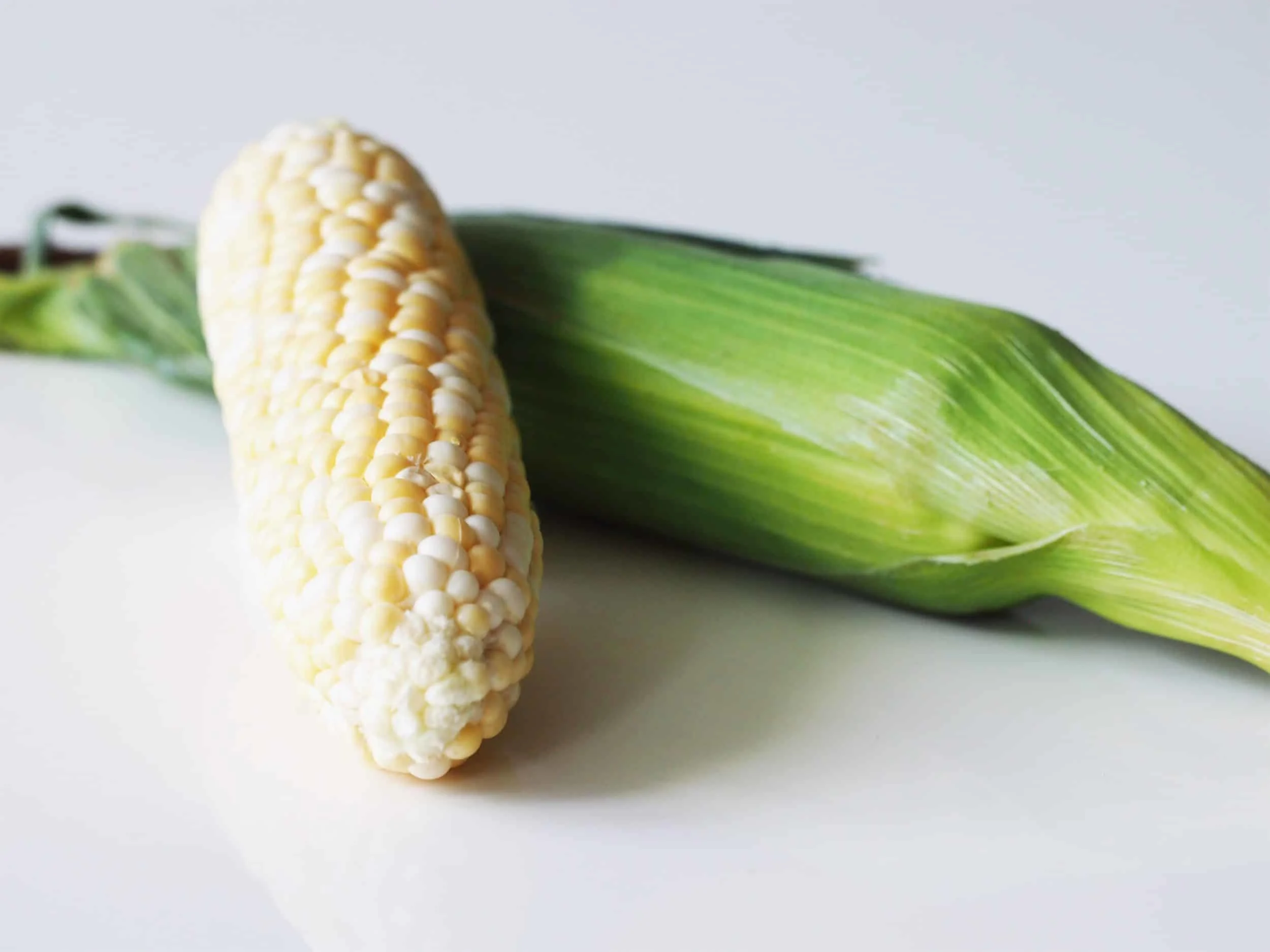
Ofrece mazorca (elote) de maíz cocida, cortada por la mitad a lo ancho para crear rodajas que sean más grandes que la boca de tu bebé, pero no demasiado pesadas para que las pueda manejar. Evita servir granos de maíz sueltos, ya que son un peligro de atragantamiento para los bebés. Si lo deseas, también puedes raspar la mayoría de los granos y servir solo la mazorca (elote), lo que reduce aún más el riesgo de atragantamiento. Aunque de esta forma tu bebé ingerirá muy poco alimento, la actividad de mordisquear y roer la mazorca (elote) puede favorecer el desarrollo oral-motor y fortalecer los músculos de la mandíbula.
9 meses +:
Continúa ofreciendo mazorca (elote) de maíz cortada por la mitad a lo ancho en rodajas para que sea fácil para tu bebé acceder a los granos. Si quieres ofrecer una mazorca (elote) grande entera, está bien. Solo ten en cuenta que tu bebé podría sostenerla en posición vertical y quizá solo coma los granos de la punta de la mazorca (elote).
12 meses +:
A esta edad, también puedes introducir granos de maíz sueltos por sí solos, pero empieza con solo unos pocos a la vez para desanimar a tu niño(a) pequeño(a) de meterse mucho maíz en la boca. Después de sentirte seguro(a) de que tu niño(a) está comiendo granos de maíz sueltos de forma segura por sí solo(a), considera ofrecerlos mezclados en otros platos. La mazorca (elote) de maíz también es fantástica a esta edad, ya que ayuda a fortalecer la mandíbula. A esta edad, puedes servir la mazorca (elote) del tamaño que quieras. Si quieres ofrecer mazorquitas (elotitos) de maíz enlatadas, adelante. Solo corta cada pieza a lo largo para que ya no sean redondas.
¿El maíz es un riesgo de atragantamiento para los bebés?
Sí. Los granos de maíz enteros y sueltos son pequeños, redondeados y a veces firmes, cualidades que aumentan el riesgo de atragantamiento. Para reducir el riesgo, sirve el maíz en mazorca (elote), ya que al roerla, tu bebé aplastará los granos, cambiando de manera efectiva tanto su forma redonda como su textura resbaladiza. Servirlo en mazorca (elote) también evita que tu bebé agarre muchos granos sueltos a la vez y se los meta todos en la boca, donde pueden dispersarse y confundir al cerebro. Como siempre, crea un entorno seguro para comer y mantente al alcance de tu bebé durante las comidas.
Conoce las señales de atragantamiento y más sobre los primeros auxilios para el atragantamiento en nuestras guías gratuitas, Rescate para bebés y Rescate para niños(as) pequeños(as).
¿El maíz es un alérgeno común?
No. Las alergias al maíz son poco comunes, pero se han reportado, con síntomas que van desde síntomas de alergia oral de corta duración hasta anafilaxia.[2] [3] Algunas personas con alergia a las proteínas de transferencia de lípidos o a la quitinasa también pueden tener alergia al maíz.[4] [5] Se sabe que el maíz puede presentar reactividad cruzada con otros cereales, especialmente el arroz, el trigo y la cebada. Sin embargo, la mayoría de las personas con alergia al maíz pueden consumir otros cereales de forma segura, y viceversa.[6]
¿El maíz es saludable para los bebés?
Sí. El maíz de todos los colores ofrece carbohidratos, fibra y algo de proteína. También aporta colina, folato, potasio, zinc y los antioxidantes luteína y zeaxantina, que apoyan la visión. El maíz también es rico en vitaminas B6 y C. En conjunto, estos nutrientes apoyan la energía de tu bebé para jugar y explorar, la salud digestiva, y el crecimiento y desarrollo. También ayudan a apoyar el neurodesarrollo, el equilibrio de electrolitos, la percepción del sabor, la visión, los procesos metabólicos, la inmunidad y la absorción de hierro.
¿Es normal ver maíz en el popó de tu bebé?
Sí. Es normal ver granos de maíz que parecen enteros o sin digerir en el popó de tu bebé, y tu bebé sigue obteniendo nutrientes valiosos del maíz. La cáscara externa del maíz está hecha de una fibra insoluble llamada celulosa, que es difícil de digerir. Cuando se ve maíz en las heces, con mayor frecuencia se trata solo de esta cáscara externa, ya que el contenido interno es mucho más fácil de digerir. Los patrones para hacer popó pueden variar significativamente de un niño(a) a otro(a), así que habla con tu profesional de la salud pediátrica si tienes inquietudes sobre el popó y la función digestiva de tu bebé.
Material de referencia
United States Centers for Disease Control and Prevention, Choking Hazards. Retrieved June, 24, 2022
Scibilia, J., Pastorello, E. A., Zisa, G., Ottolenghi, A., Ballmer-Weber, B., Pravettoni, V., Scovena, E., Robino, A., & Ortolani, C. (2008). Maize food allergy: a double-blind placebo-controlled study. Clinical and experimental allergy : journal of the British Society for Allergy and Clinical Immunology, 38(12), 1943–1949. doi:10.1111/j.1365-2222.2008.03094.x Retrieved June 19, 2022
Food Allergy Research & Education. Other Food Allergens. Retrieved June 19, 2022
Start solids with confidence
- Guided Introduction to 100+ Foods
- Smart Tools to Simplify Mealtime
- Food Allergen 101
- 300+ Meal Ideas
- First Foods® Database
Start solids with confidence
- Guided Introduction to 100+ Foods
- Smart Tools to Simplify Mealtime
- Food Allergen 101
- 300+ Meal Ideas
- First Foods® Database
Consejos de expertos directo en tu correo
Suscríbete para recibir consejos semanales, recetas y más.