
Manzanilla
Hierba/Especia
- Edad sugerida
- 12 meses
- Rico en hierro
- No
- Alérgeno común
- No
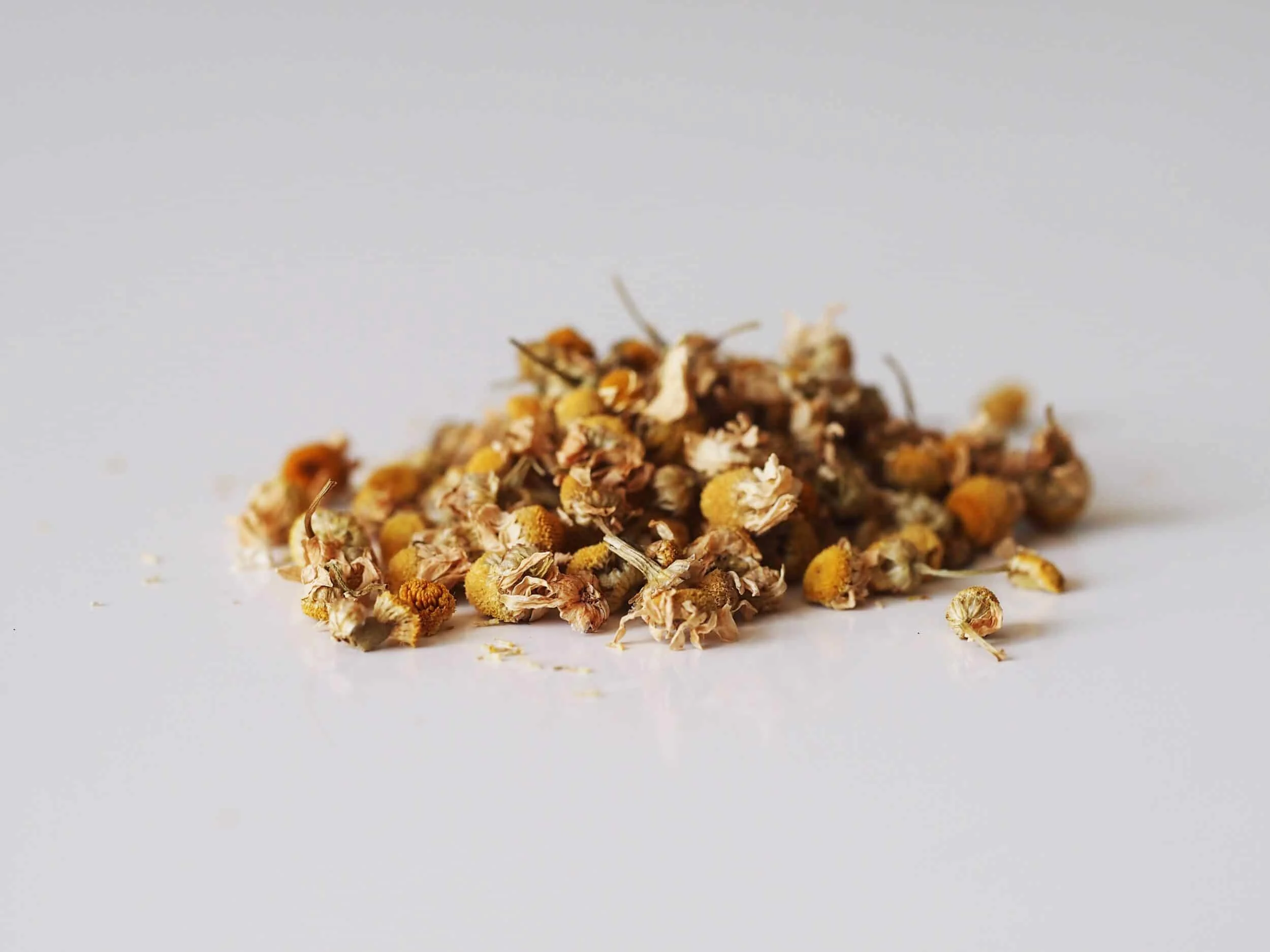
When can babies have chamomile?
¡Lo sentimos, esta página aún no está disponible en español! Estamos trabajando tan rápido como podemos para traducir todo nuestro contenido, gracias por tu paciencia y apoyo.
It is our professional opinion that chamomile may be introduced to children who are 12 months old and up. Botulism spores have occasionally been found in chamomile, more often in dried chamomile sold by weight, so opt for chamomile in tea bags when purchasing chamomile to share with young toddlers.[1] [2] Infant botulism is a rare, but potentially fatal illness, and babies under 12 months of age are most at risk.
How do you introduce chamomile to babies?
Cada bebé se desarrolla a su propio ritmo, y las sugerencias que ofrecemos sobre cómo cortar o preparar determinados alimentos son generalizaciones para una amplia audiencia.
0 to 12 months old:
Hold off on serving chamomile tea unless recommended by your child’s healthcare provider.
12 to 24 months old:
At this age, offer no more than 4 ounces a day of lukewarm chamomile tea in an open cup or straw cup. For the reasons noted above, opt for pre-bagged tea rather than loose-leaf chamomile.
Is chamomile a common choking hazard for babies?
No. Chamomile in tea form is not a common choking hazard, though in theory, one could choke on any food or liquid. As always, be sure to create a safe eating environment and stay near baby during mealtime. For more information on choking, visit our sections on gagging and choking and familiarize yourself with the list of common choking hazards.
Is chamomile a common allergen?
No. Allergies to chamomile are rare, though not unheard of. Chamomile is part of the same family of plants as ragweed, and as a result, individuals with ragweed allergy may be sensitive to chamomile.[3] [4] For sensitive babies, chamomile can worsen pre-existing eczema. While infrequent, there have been reports of serious allergic reactions to chamomile, so it’s best to introduce in small amounts.[5] As you would when introducing any new food, start by offering a small quantity on its own for the first few servings. If there is no adverse reaction, gradually increase the quantity over future meals.
Is chamomile healthy for babies?
Yes, in moderation. In the amounts it is typically consumed, chamomile does not offer significant amounts of vitamins or minerals, but it does have anti-inflammatory properties and can aid digestion and relieve intestinal distress.[4] [6] [4] It has also been used to help ease aches and pains associated with teething.
Can chamomile help babies with colic or digestive issues?
Current evidence suggests yes.[7] [8] Several multi-ingredient products containing German chamomile have been studied in infants and have been shown to be safe and often effective when it comes to improving colic symptoms. It is also possible that chamomile, in combination with certain other ingredients, can shorten diarrheal illnesses among children as well.[9] Be sure to talk with your pediatric healthcare provider if you have any concerns about colic or baby’s digestive function.
Where does chamomile come from?
Chamomile is the common name for a family of wild asters whose spray of starry flowers smell of apples, bright and sweet. The flowers are often dried to make an herbal tea, but both the blooms and foliage can also be used to season food, from salads and soups, to refreshing beverages like chamomile lemonade, to desserts like chamomile ice cream. Like all plants, there are different varieties to try and many common names—babuna, mayweed, and pinhead to name a few. The information here pertains to one of the most common varieties—German chamomile. This variety originated in Europe and now grows all over the world, where it is cultivated as a source of food, medicine, and essential oil for aromatherapy, cosmetics, and other products.
Is chamomile safe for babies?
There is limited research available on its safety in infants and nursing mothers, however, it is classified as “generally recognized as safe” for human consumption by the United States government.[6] That said, it is important to note that a study found some sources of chamomile to contain botulism spores, particularly when in dried, loose-leaf form, so when serving to young toddlers, it is important to buy bagged chamomile or commercial preparations.[10] Infant botulism is very rare, but can be fatal.
Material de referencia
Drugs and Lactation Database (LactMed) [Internet]. Bethesda (MD): National Library of Medicine (US); 2006-. Chamomile. (Updated 2019 Jul 20)
Bianco MI, Lúquez C, de Jong LI, Fernández RA. (2008). Presence of Clostridium botulinum spores in Matricaria chamomilla (chamomile) and its relationship with infant botulism. Int J Food Microbiol. 121(3):357-360. doi:10.1016/j.ijfoodmicro.2007.11.008. Retrieved February 23, 2022
U.S. Department of Health and Human Services, National Institutes of Health, National Center for Complementary and Integrative Health (2020, May) Chamomile.
Start solids with confidence
- Guided Introduction to 100+ Foods
- Smart Tools to Simplify Mealtime
- Food Allergen 101
- 300+ Meal Ideas
- First Foods® Database
Start solids with confidence
- Guided Introduction to 100+ Foods
- Smart Tools to Simplify Mealtime
- Food Allergen 101
- 300+ Meal Ideas
- First Foods® Database
Consejos de expertos directo en tu correo
Suscríbete para recibir consejos semanales, recetas y más.