
Carob
Legumbre
- Edad sugerida
- 6 meses
- Rico en hierro
- No
- Alérgeno común
- No
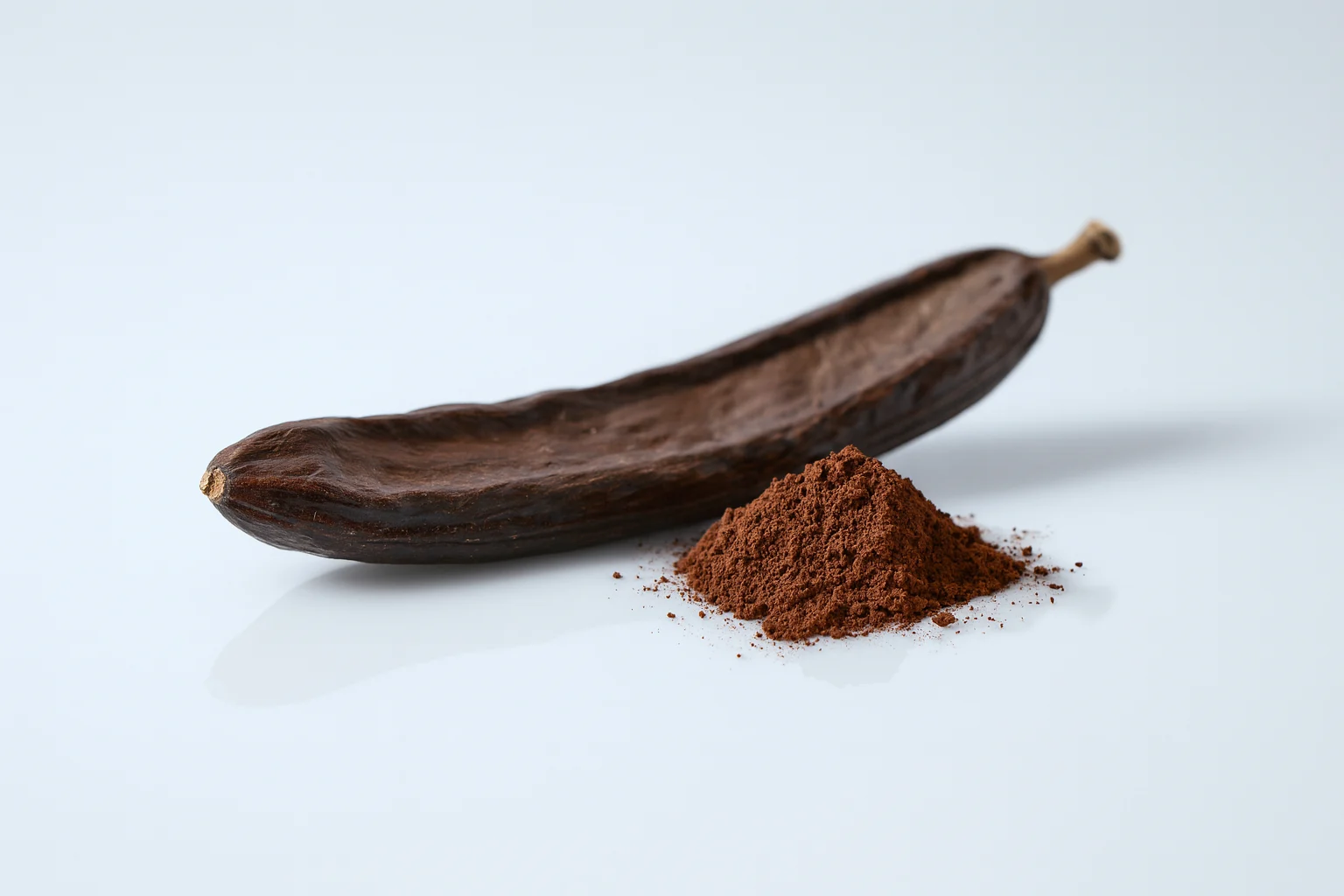
When can babies have carob?
Carob may be introduced as soon as baby is ready to start solids, which is generally around 6 months of age.
Carob comes from the pod of a tree native to the Mediterranean region and has been cultivated for thousands of years. These pods are dried, roasted, and ground into a powder with a naturally sweet, mild flavor often compared to cocoa. Historically, carob was valued as both a food and a sweetener across cultures throughout its native lands long before refined sugar and chocolate became common. Today, carob remains popular in diverse cuisines, from drinks like teratsomelo to cakes like molatska torta and beyond.
How do you serve carob to babies?
Cada bebé se desarrolla a su propio ritmo, y las sugerencias que ofrecemos sobre cómo cortar o preparar determinados alimentos son generalizaciones para una amplia audiencia.
6 months old +:
Share age-appropriate pieces of food that contain carob, such as strips of toast from a bread made with carob powder, or savory sauces and stews that contain a bit of carob powder or carob molasses. Alternatively, mix a small amount of carob powder or carob syrup into age-appropriate foods like oatmeal, yogurt, or fruit purées. Hold off on sharing food that contains carob chips, as these pose an increased choking risk.
12 months old +:
Continue to share age-appropriate pieces of food that contain carob powder or syrup, like breads, muffins, sauces, or stews. At this age, you can also share occasional tastes of drinks made from carob powders or syrups, but consider waiting to offer them regularly, as they are often high in sugar.
18 months old +:
Around this age, if the child has a set of molars and is chewing food thoroughly, taking accurate-sized bites, and not shoveling food in the mouth, you can try offering age-appropriate foods that have carob chips or chunks of carob in them. Since carob doesn’t melt, these chips and chunks pose an increased choking risk until the child has more developed chewing skills, so continue to hold off on serving them on their own. Or, continue to offer foods made with carob powder, like bread, porridge, sauces, or stews.
24 months old +:
If the child is managing foods with carob chips or chunks in them well and you’d like to offer these on their own as part of a snack or trail mix, try offering just one or two pieces at a time at first. Starting with just a piece or two can help pace the child and discourage shoveling a handful of carob in the mouth at once, which poses an increased risk of choking. Model eating one yourself, showing the child how you chew the food thoroughly with your molars until the carob is fully broken down.
Is carob a choking hazard for babies?
It depends. Powdered carob typically presents a low risk when mixed into a dish or baked good, but carob chips and other solid forms of the food are firm and challenging to chew, qualities that increase the risk of choking. To reduce the risk, prepare and serve carob in an age-appropriate way as described in the How to Serve section. As always, make sure to create a safe eating environment and stay within reach of baby during meals.
Learn the signs of choking and more about choking first aid in our free guides, Infant Rescue and Toddler Rescue.
Is carob a common allergen?
Is carob healthy for babies?
Yes, in small amounts. Carob is naturally caffeine-free and contains a variety of nutrients, including calcium, potassium, and fiber, which support bone health, electrolyte balance, and digestive health. Carob is also rich in antioxidants and polyphenols which support overall health and may offer anti-cancer properties.[3]
Carob products can be high in sugar, and consuming sugar in excess can increase the risk of cavities and decrease a child’s motivation to eat other foods at mealtime, but sharing occasional tastes of an age-appropriate piece of food with baby is fine.
Is carob the same as cocoa?
No. Carob and cocoa come from different plants. Carob is naturally caffeine-free and lower in fat, while cocoa contains caffeine and can be bitter. Carob’s naturally sweet flavor makes it a popular chocolate alternative.
Can baby have carob bean gum in formula?
Yes. Some infant formulas contain carob bean gum as an ingredient, a thickener used particularly in formulas for babies with infant reflux. Not every baby needs infant formula with added carob bean gum, nor should carob bean gum be separately added to infant formula. For more guidance, talk with your pediatric healthcare provider before making any changes to baby’s formula.
Material de referencia
Start solids with confidence
- Guided Introduction to 100+ Foods
- Smart Tools to Simplify Mealtime
- Food Allergen 101
- 300+ Meal Ideas
- First Foods® Database
Start solids with confidence
- Guided Introduction to 100+ Foods
- Smart Tools to Simplify Mealtime
- Food Allergen 101
- 300+ Meal Ideas
- First Foods® Database
Consejos de expertos directo en tu correo
Suscríbete para recibir consejos semanales, recetas y más.