
Burdock Root (Gobo)
Verdura
- Edad sugerida
- 6 meses
- Rico en hierro
- No
- Alérgeno común
- No
When can babies have burdock root?
Burdock root may be introduced as soon as baby is ready to start solids, which is generally around 6 months of age. Avoid serving burdock root extracts, supplements, and teas with baby, as there have been reports of serious illness.
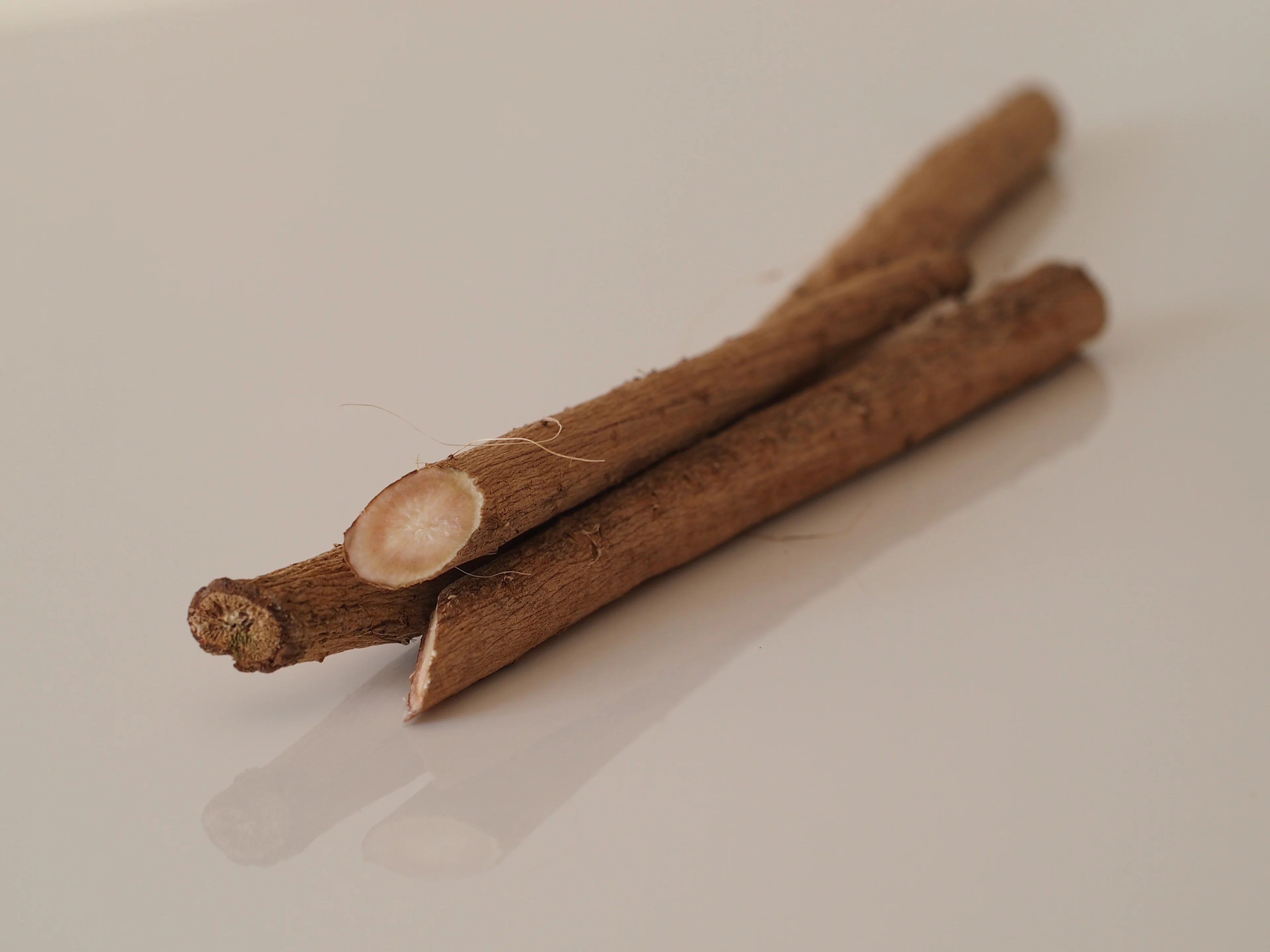
Burdock root is the edible taproot of the burdock plant, which is native to northern Asia and Europe. Prized for centuries in Japanese, Korean, and Chinese cuisines, burdock root is also known as gobo, among other names, and is a staple ingredient in dishes such as kinpira gobo—a Japanese side dish of julienned burdock root and carrot sautéed in soy sauce and mirin—as well as in soups, rice dishes, and stews, where it offers a mildly sweet, earthy, and slightly nutty flavor.
How do you serve burdock root to babies?
Cada bebé se desarrolla a su propio ritmo, y las sugerencias que ofrecemos sobre cómo cortar o preparar determinados alimentos son generalizaciones para una amplia audiencia.
6 months old +:
Offer a long piece of peeled burdock root that has been cooked until soft and mashable for baby to munch on. If baby breaks off a big piece of burdock while eating, stay calm and give your child a chance to work the food forward in the mouth. Or, mash the cooked, peeled burdock and offer in a bowl for baby to scoop with their hands or eat from a pre-loaded spoon.
9 months old +:
If baby has developed a pincer grasp, serve bite-sized pieces of peeled burdock root that has been cooked until soft and mashable, or continue offering large pieces of cooked burdock root for biting and tearing practice. You can also keep serving mashed cooked burdock root, letting baby eat with their hands or from a pre-loaded utensil. Lastly, at this age, you can start serving raw, grated burdock root, either in small amounts on its own or mixed into other foods.
18 months old +:
As long as the child has molars and is chewing food thoroughly, you can try offering thin slices of pickled burdock root or matchstick pieces of burdock root that are cooked until a little less soft, such as in kinpira gobo. You can also continue to serve pieces of well-cooked, soft burdock root in any size.
Is burdock root a choking hazard for babies?
Yes. Raw or undercooked burdock root is firm, fibrous, and difficult to chew, which are qualities that pose an increased choking risk for babies and young children. To reduce the risk, always cook burdock root until completely soft and prepare and serve it in an age-appropriate way as described in How to Serve. As always, make sure to create a safe eating environment and stay within reach of baby during meals.
Learn the signs of choking and more about choking first aid in our free guides, Infant Rescue and Toddler Rescue.
Is burdock root a common allergen?
No. Allergies to burdock are uncommon, but reactions have been reported, some of which have been severe.[1] [2] [3] Thankfully, most reported reactions to burdock root have been limited to rashes after handling or eating the plant. Individuals with allergies to plants of the Asteraceae family (such as daisies, marigolds, and chrysanthemums) or who have oral allergy syndrome (also called pollen food allergy syndrome) may also be sensitive to burdock.[1] [4] [5] Oral allergy syndrome typically results in short-lived itching, tingling, or burning in the mouth and is unlikely to result in a dangerous reaction. Cooking burdock may help minimize or even eliminate the oral allergy reaction, but will not prevent severe allergic reactions in a sensitive individual.[6] [7]
Is burdock root healthy for babies?
Yes. Burdock root is a great source of vitamin B6, a vitamin that plays a role in over 100 functions in the body, as well as many other nutrients including folate, iron, calcium, magnesium and potassium. Burdock root offers a healthy dose of flavonoids, lignans (plant compounds that benefit the body’s wellbeing and resilience) and is rich in antioxidants.[8] [9] Burdock is packed with fiber, particularly inulin, which provides fuel to friendly gut bacteria.
Avoid non-culinary, supplemental uses of burdock root, such as extracts, teas, capsules, and powders, as research on their safety is limited and there have been reports of serious illness.[10] [11] Burdock root may interact with some medications, so talk to your child’s pediatric healthcare provider if the child is taking medications before offering burdock.[1]
Make sure to source burdock root from a reputable source, such as the grocery store or farmers’ market. Do not harvest burdock from off the street, sidewalk, or other public areas, as they may have been exposed to contaminants and can also be easily mistaken for a toxic look-a-like called foxglove.
When can babies have kinpira gobo?
Babies can have a modified version of kinpira gobo as soon as they are ready for solid food. Kinpira gobo is a popular Japanese side dish made from matchstick pieces of burdock root and carrot, stir-fried in a mixture of soy sauce, mirin, sake, and sugar, and often finished with sesame oil and sesame seeds. To share kinpira gobo safely with babies, check that any common allergens (soy and sesame, for instance) have been safely introduced beforehand and avoid using sake in the sauce, as varying amounts of alcohol can remain in the finished dish. If sharing with babies just starting solids, cook the burdock root and carrot until very soft and mashable, and leave the pieces large so that baby can more easily pick them up.
Can babies have burdock root supplements or burdock tea?
No. Burdock root supplements, teas, and extracts are not recommended for babies or young children, as their safety has not been studied in infants. Some burdock root products have also been associated with adverse effects, including contamination with belladonna (deadly nightshade), a toxic plant whose root can resemble burdock. Stick to culinary preparations of fresh or canned burdock root in age-appropriate amounts.
Material de referencia
Start solids with confidence
- Guided Introduction to 100+ Foods
- Smart Tools to Simplify Mealtime
- Food Allergen 101
- 300+ Meal Ideas
- First Foods® Database
Start solids with confidence
- Guided Introduction to 100+ Foods
- Smart Tools to Simplify Mealtime
- Food Allergen 101
- 300+ Meal Ideas
- First Foods® Database
Consejos de expertos directo en tu correo
Suscríbete para recibir consejos semanales, recetas y más.