
Brown Lentils
Legumbre
- Edad sugerida
- 6 meses
- Rico en hierro
- Sí
- Alérgeno común
- No
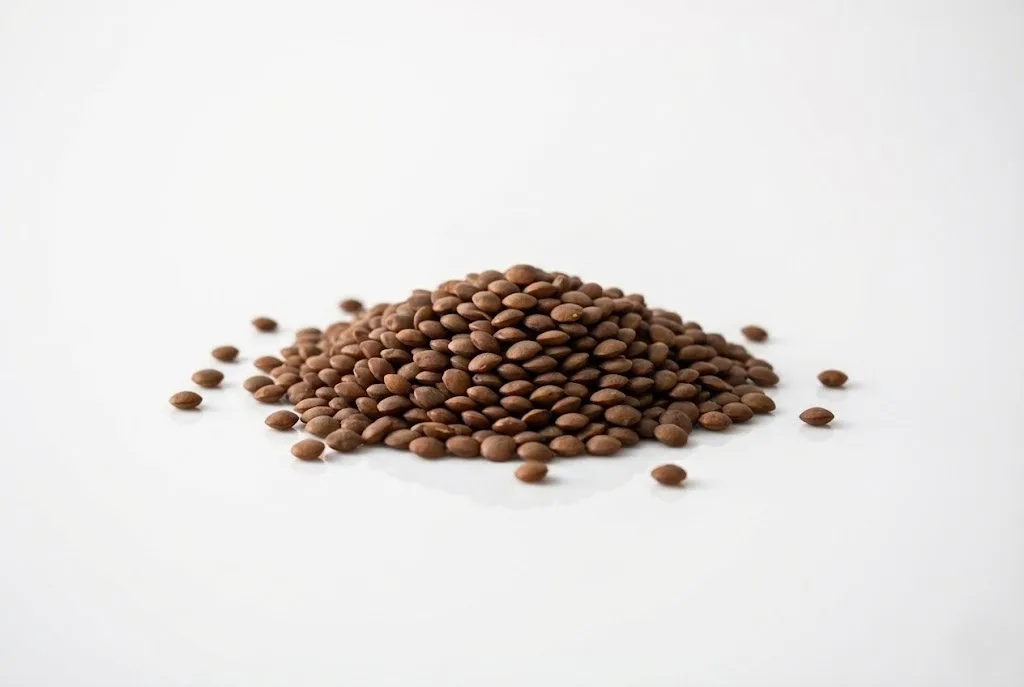
When can babies have brown lentils?
Brown lentils may be introduced as soon as baby is ready to start solids, which is generally around 6 months of age.
Brown lentils are one of the most widely available lentil varieties and are used in cuisines across South Asia, where they are known as sabut masoor dal, around the Mediterranean, Europe, and North America. There are a number of varieties of brown lentil, including the popular pardina lentil, but generally speaking, these lentils tend to hold their shape more than red or yellow lentils when cooked, with a slightly firmer texture. Because of this, brown lentils are commonly used in soups, stews, salads, and lentil-based patties.
How do you serve brown lentils to babies?
Cada bebé se desarrolla a su propio ritmo, y las sugerencias que ofrecemos sobre cómo cortar o preparar determinados alimentos son generalizaciones para una amplia audiencia.
6 months old +:
Serve soft, cooked brown lentils in dishes like soup or stew, or mixed into soft, scoopable foods like mashed potato, porridge, or yogurt. Encourage self-feeding by letting baby scoop with their hands or by pre-loading a spoon for baby to grab. This is also a great age to explore using lentils to make large, soft burgers or patties, easy shapes for babies to pick up and hold.
9 months old +:
At this age, you can serve bite-sized pieces of foods made with soft, cooked brown lentils, or even clumps of cooked lentils held together with a binding ingredient, but keep in mind that individual lentils may be too small for babies to pick up easily with their developing pincer grasp. You can also continue to serve soft, cooked brown lentils in dishes like soup or stew, or mixed into soft, scoopable foods like mashed potato, porridge, or yogurt. Encourage self-feeding by letting baby scoop with their hands or by pre-loading a spoon for baby to grab.
12 months old +:
Offer soft, cooked brown lentils in meals as desired, from mashed or scoopable dishes to lentil salads and soups. Let the child eat with their hands or offer an age-appropriate utensil for practice. Just remember that small, loose cooked lentils can be tricky to keep on a spoon without some sort of binding ingredient, and using utensils can be exhausting for new eaters, so don’t be surprised if the child toggles back and forth between feeding themselves with their fingers and utensils. Try not to apply too much pressure; consistent and accurate utensil use will come in due time — often sometime after the second birthday.
Videos
Are brown lentils a choking hazard for babies?
No. Well-cooked lentils present a low risk when safely prepared for a child’s age and developmental ability, though, in theory, an individual could choke on any food. To reduce the risk, prepare and serve lentils in an age-appropriate way. As always, create a safe eating environment and stay within reach of baby during meals.
Learn the signs of choking and more about choking first aid in our free guides, Infant Rescue and Toddler Rescue.
¿Son las lentejas un alérgeno común?
No. Las lentejas no se reconocen como un alérgeno común en los Estados Unidos. Sin embargo, la alergia a las lentejas es posible.[1] [2]En España, por ejemplo, la alergia a las lentejas afecta a una parte significativa de la población pediátrica.[3] [4]
Ser alérgico(a) a otras legumbres, en particular a la arveja (chícharo, guisante) y al garbanzo (y, en menor medida, al maní (cacahuate, cacahuete)), puede aumentar el riesgo de alergia a las lentejas.[5] [6] Sin embargo, la reactividad cruzada entre legumbres se observa con más frecuencia en las pruebas de sangre y de piel que en la práctica. Los (las) niños(as) con alergia a las lentejas no necesariamente deben evitar todas las demás legumbres. Las personas con alergia al polen de abedul o con síndrome de alergia oral (Oral Allergy Syndrome) —también llamado síndrome de alergia alimentaria por polen— pueden ser sensibles a las lentejas. [7] El síndrome de alergia oral suele provocar picazón, hormigueo o ardor de corta duración en la boca, y es poco probable que cause una reacción peligrosa. Cocinar las lentejas por completo puede ayudar a minimizar la reacción.
Are brown lentils healthy for babies?
Yes. Lentils are rich in complex carbohydrates, fiber, and plant-based protein. They also provide iron, zinc, folate, potassium, magnesium, and B vitamins—nutrients that support baby’s growth, neurodevelopment, and immune function.
¿Es necesario remojar las lentejas antes de cocinarlas?
No, aunque remojar las lentejas secas antes de cocinarlas puede ayudar a reducir significativamente el tiempo de cocción, además de reducir el contenido de lectinas y hacer que el alimento sea más fácil de digerir.[8] [9]
Algunos métodos comunes para remojarlos son:
Remojar durante toda la noche: Usa una proporción de 1lb (454 g) de lentejas secas y 10 tazas (2 ½ litros) de agua y remójalas por 4 horas o más durante la noche. Escúrrelas y enjuágalas antes de cocinarlas.
Remojar en agua caliente: Usa una proporción de 1 lb (454 g) de lentejas secas y 10 tazas (2 ½ litros) de agua, hierve la mezcla durante 2 o 3 minutos. Apaga el fuego y deja remojar un par de horas. Escúrrelas y enjuágalas antes de cocinarlas.
Can babies have canned brown lentils?
Yes. Both cooked dried lentils and canned lentils can be shared with babies in age-appropriate ways as soon as they are ready for solids. Canned brown lentils can be high in sodium, but occasional high-sodium meals won’t hurt; if you’d like to reduce baby’s sodium intake, choose low-sodium or no-salt-added canned lentils, when available, or rinse the canned lentils well before serving.
Material de referencia
Start solids with confidence
- Guided Introduction to 100+ Foods
- Smart Tools to Simplify Mealtime
- Food Allergen 101
- 300+ Meal Ideas
- First Foods® Database
Start solids with confidence
- Guided Introduction to 100+ Foods
- Smart Tools to Simplify Mealtime
- Food Allergen 101
- 300+ Meal Ideas
- First Foods® Database
Consejos de expertos directo en tu correo
Suscríbete para recibir consejos semanales, recetas y más.