
Bay Leaf
Hierba/Especia
- Edad sugerida
- 6 meses
- Rico en hierro
- No
- Alérgeno común
- No
When can babies have bay leaves?
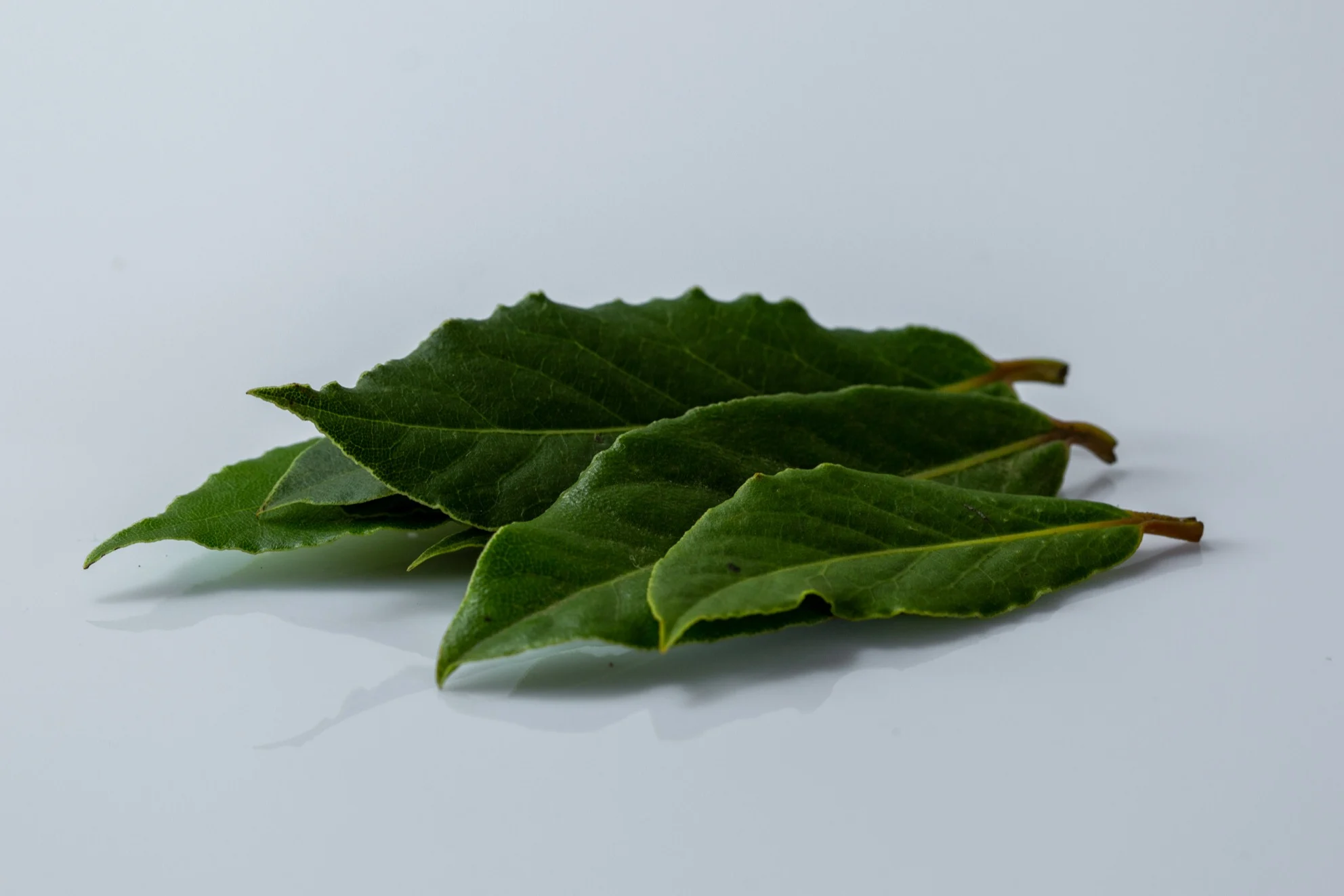
Bay leaf may be introduced as soon as baby is ready to start solids, which is generally around 6 months of age. Whole leaves can be used to flavor a meal, but make sure to remove them before serving to reduce choking risk.
Bay leaves grow on various species of laurel plants, the most commonly consumed of which first grew in the lands around the Mediterranean Sea. The whole leaf (fresh or dried) lends a mild, herbal flavor to broths, soups, and stews, but even after a long time stewing in liquid, bay leaves stay firm and leathery and need to be removed from a dish before serving. Alternatively, bay leaves can be ground into a powder and used to flavor seafood, stews, and even desserts.
How do you serve bay leaf to babies?
Cada bebé se desarrolla a su propio ritmo, y las sugerencias que ofrecemos sobre cómo cortar o preparar determinados alimentos son generalizaciones para una amplia audiencia.
6 months old +:
Share age-appropriate pieces of a soup, stew, or other dish that has been cooked with bay leaves, or use bay leaves to flavor broth or grains like rice to share with baby. Make sure to remove whole bay leaves before serving, as they can be a choking hazard. Alternatively, use ground bay leaf in stews, sauces, or any dish the family enjoys. There’s no need to strain out ground leaves before serving.
Is bay leaf a choking hazard for babies?
Yes. Whole bay leaves are firm, sharp, and challenging to chew if accidentally left in a dish, which are qualities that pose an increased risk of choking or damage to the esophagus or pharynx.[1] To reduce the risk, prepare and serve bay leaves in an age-appropriate way as described in the How to Serve section. As always, make sure to create a safe eating environment and stay within reach of baby during meals.
Learn the signs of choking and more about choking first aid in our free guides, Infant Rescue and Toddler Rescue.
Is bay leaf a common allergen?
No. Allergies to bay leaf are not common, but cases of contact rashes after skin exposure and respiratory symptoms from inhalation of the dried herb have been reported.[2] [3] Note that certain dried herb blends that feature bay leaf may also contain common food allergens, so make sure to read labels thoroughly if your child has food allergies.
Is bay leaf healthy for babies?
When can babies drink bay leaf tea?
After the first birthday, you can offer bay leaf tea in a cup–just make sure it is no longer hot before serving. Do not give tea or beverages besides breast milk, formula, or small amounts of water to babies under 12 months of age.
What happens if you accidentally eat a bay leaf?
Bay leaves that are used for cooking are not toxic, so try not to worry if baby or you accidentally consume a bite of a whole leaf that was left in a dish. That said, whole fresh or dried bay leaves do not break down and soften, even after stewing in liquid for a long time, so they do pose an increased choking risk. If you’re sharing a dish that was cooked with bay leaves, make sure to carefully check baby’s portion and remove any remaining leaves before serving.
Material de referencia
Start solids with confidence
- Guided Introduction to 100+ Foods
- Smart Tools to Simplify Mealtime
- Food Allergen 101
- 300+ Meal Ideas
- First Foods® Database

Start solids with confidence
- Guided Introduction to 100+ Foods
- Smart Tools to Simplify Mealtime
- Food Allergen 101
- 300+ Meal Ideas
- First Foods® Database
Consejos de expertos directo en tu correo
Suscríbete para recibir consejos semanales, recetas y más.