
Almond Yogurt
Fruto seco
- Edad sugerida
- 6 meses
- Rico en hierro
- No
- Alérgeno común
- Sí
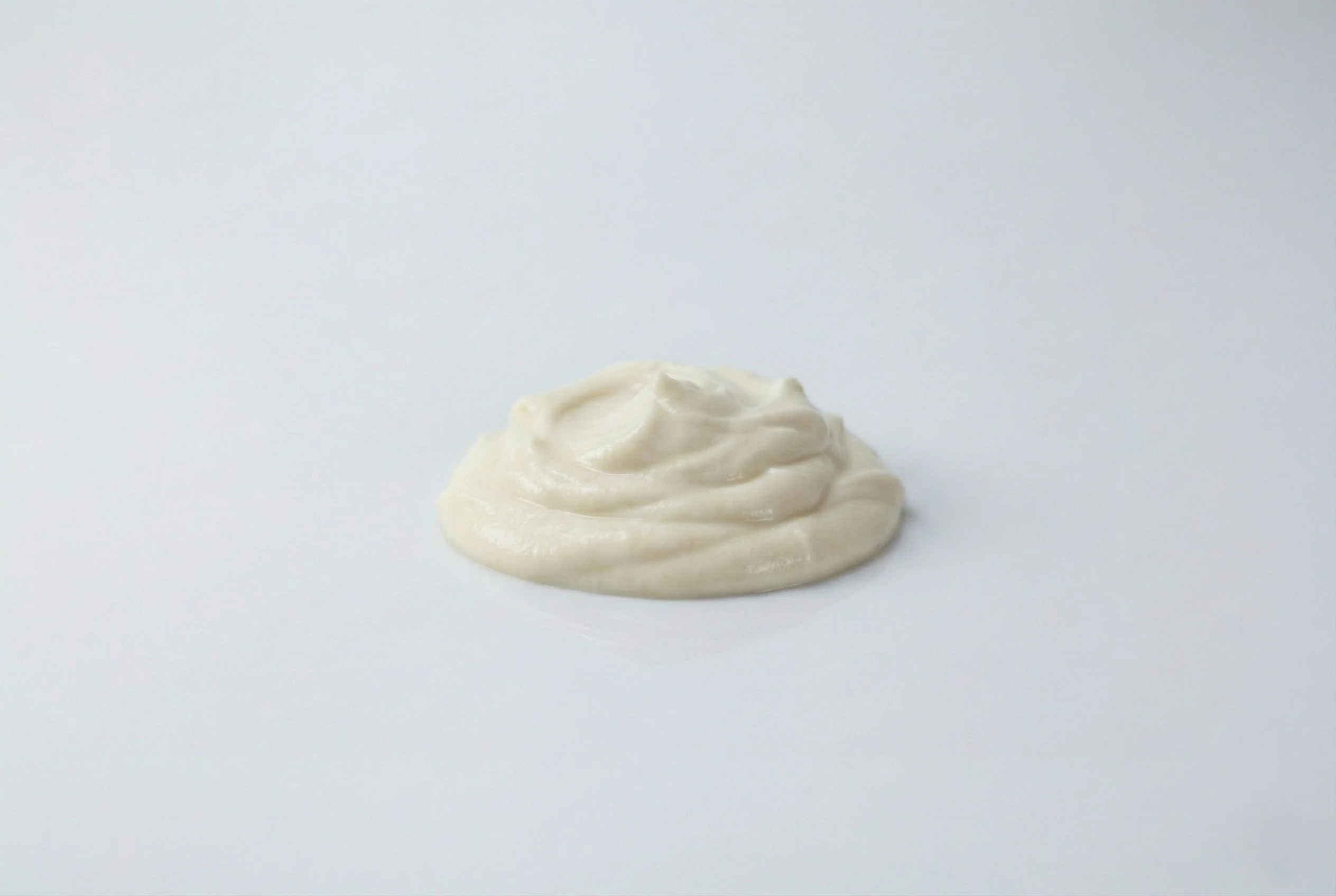
When can babies have almond yogurt?
Almond yogurt may be introduced as soon as baby is ready to start solids, which is generally around 6 months of age. Note that almond yogurt is made with almond, a common allergen.
Almond milk was widely consumed in medieval Europe, particularly in monasteries and during times of fasting when dairy was prohibited, and served as a base for both savory dishes and desserts. The transformation of almond milk into yogurt through fermentation is a recent innovation that merges this historical dairy alternative with modern probiotic yogurt-making techniques. Almond yogurt has gained popularity worldwide as a lactose-free option, valued for its mild flavor and creamy texture.
How do you serve almond yogurt to babies?
Cada bebé se desarrolla a su propio ritmo, y las sugerencias que ofrecemos sobre cómo cortar o preparar determinados alimentos son generalizaciones para una amplia audiencia.
6 months old +:
Offer almond yogurt in a bowl and let baby scoop the yogurt with their hands or eat from a pre-loaded spoon (passing the spoon in the air will make it easier for baby to grab). You can also use almond yogurt as a base for sweet and savory sauces.
9 months old +:
At this age, babies may be able to pick up pre-loaded spoons independently. Continue to offer almond yogurt in a bowl and give baby plenty of opportunities to pick up the pre-loaded spoon independently. Note that many babies will tire of this activity quickly so don’t worry if you need to go back and forth between letting baby eat yogurt with their fingers, a pre-loaded spoon handed over the air, or a pre-loaded spoon resting on the edge of a bowl. Multiple spoons at the same time can help.
12 months old +:
In this age range, if you are still pre-loading spoons and handing them over in the air, this is a good time to pre-load the spoon and leave it on the edge of the bowl for the toddler to pick up independently and practice using. Be patient: consistent, independent utensil use may not come until after 2 years of age.
Is almond yogurt a choking hazard for babies?
No. Almond yogurt presents a low risk when safely prepared for a child’s age and developmental ability, though, in theory, an individual could choke on any food. To reduce the risk, prepare and serve almond yogurt in an age-appropriate way as described in the How to Serve section. As always, create a safe eating environment and stay within reach of baby during meals.
Learn the signs of choking and more about choking first aid in our free guides, Infant Rescue and Toddler Rescue.
Is almond yogurt a common allergen?
Yes, almond yogurt is made with almonds, which are classified as a common allergen. However, most almond yogurt contains a very low amount of allergenic protein. This means that almond yogurt is not sufficient for introducing almond or maintaining exposure to almond once an allergy is ruled out. See Almond for more information on how to safely introduce.
Is almond yogurt healthy for babies?
Yes. Almond yogurt provides some plant-based fats, protein, and iron. Some varieties are fortified with calcium and vitamin D, which support bone development and immune function, and some brands are made with live bacterial cultures, which offer probiotic benefits for baby’s digestion.
Start solids with confidence
- Guided Introduction to 100+ Foods
- Smart Tools to Simplify Mealtime
- Food Allergen 101
- 300+ Meal Ideas
- First Foods® Database
Start solids with confidence
- Guided Introduction to 100+ Foods
- Smart Tools to Simplify Mealtime
- Food Allergen 101
- 300+ Meal Ideas
- First Foods® Database
Consejos de expertos directo en tu correo
Suscríbete para recibir consejos semanales, recetas y más.