
Almond Butter
Fruto seco
- Edad sugerida
- 6 meses
- Rico en hierro
- Sí
- Alérgeno común
- Sí
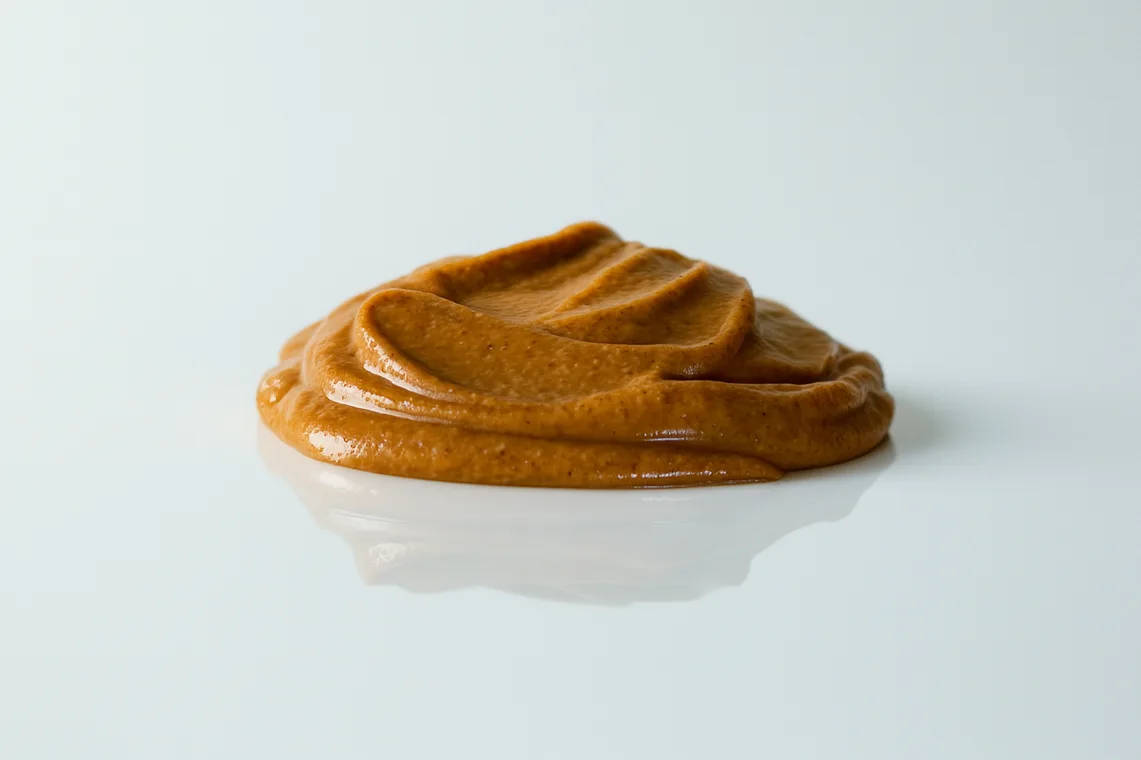
When can babies have almond butter?
Almond butter, when thinned out with breast milk, formula, water, or purée, may be introduced as soon as baby is ready to start solids, which is generally around 6 months of age. Almond butter and almonds are choking hazards for babies and children, so read our How to Serve section closely before serving. Avoid almond butter that contains honey when sharing with babies under 12 months of age due to the risk of infant botulism.
The almond may be one of the world’s most popular nuts, but botanically speaking, it is a seed. Like the pits of cherries, peaches, and plums, almonds are found at the center of a fruit that grows on a tree native to southwest Asia. Almond butter is made by grinding almonds into a paste and is commonly used as a spread or stirred into smoothies, sauces, baked goods, and more.
How do you serve almond butter to babies?
Cada bebé se desarrolla a su propio ritmo, y las sugerencias que ofrecemos sobre cómo cortar o preparar determinados alimentos son generalizaciones para una amplia audiencia.
6 months old +:
Thin out smooth almond butter with breast milk, formula, water, or purée until it is loose and runny, then offer mixed into warm cereals, yogurt, or mashes or spread it very thinly on toast strips. Feel free to serve with a bit of water in an open cup to help wash down any sticky bits of food. You can also incorporate almond butter into batters for pancakes, waffles, or baked goods, or blend it into sauces and marinades. Make sure the almond butter does not contain honey, which is associated with a risk of infant botulism.
12 months old +:
Serve smooth almond butter mixed into scoopable foods like oatmeal, applesauce, or yogurt, or spread a little on toast or pancakes. At this age, there is no need to thin out the almond butter with liquid first, but continue to spread thinly and avoid serving in large globs.
18 months old +:
At this age, you can offer chunky almond butter thinly spread onto or mixed into other foods. Continue to serve smooth almond butter as desired.
Videos
Is almond butter a choking hazard for babies?
Yes. Almond butter can be thick and sticky, qualities that can increase the risk of choking. To reduce the risk, prepare and serve almond butter in an age-appropriate way as described in the How to Serve section. As always, create a safe eating environment and stay within reach of baby during meals.
Learn the signs of choking and more about choking first aid in our free guides, Infant Rescue and Toddler Rescue.
¿Son las almendras un alérgeno común?
YSí, las almendras se clasifican como un alérgeno común. Las almendras se consideran frutos secos de árbol (aunque técnicamente son semillas). Aunque solo entre el 0.5 y el 1.2 % de la población es alérgica a los frutos secos de árbol, la alergia a los frutos secos de árbol suele durar toda la vida: solo el 9 % de los niños con alergia a los frutos secos de árbol la superan por sí solos.[1] [2] Aunque la mayoría de las reacciones a la almendra son relativamente leves, se han reportado reacciones graves.
Las personas con alergia al polen del abedul pueden experimentar el síndrome de alergia oral (también conocido como síndrome de alergia polen-alimento) tras la ingestión de almendra, especialmente de la piel de la almendra.[3] El síndrome de alergia oral produce síntomas localizados de picazón, hormigueo o ardor en la boca después de la ingestión, pero es poco probable que produzca una reacción grave.
Aunque la alergia a un fruto seco de árbol aumenta el riesgo de alergia a otro (por ejemplo, las personas con alergia a la almendra tienen más probabilidad de ser alérgicas a la avellana),[4] ten en cuenta que ser alérgico a un fruto seco no significa necesariamente que se deban eliminar todos los frutos secos de la dieta.[2] ener una dieta lo más variada posible, incluso dentro de los límites de las alergias alimentarias, es importante para la nutrición y la calidad de vida de un niño. Si tu bebé tiene alergia a la almendra, trabaja con un alergólogo para determinar si se pueden incorporar de forma segura otros frutos secos de árbol a la dieta.
Para la mayoría de los bebés, no es necesario realizar pruebas de alergia antes de introducir los frutos secos de árbol en la dieta, incluso si hay antecedentes familiares de alergia alimentaria. Sin embargo, si tu bebé tiene eczema grave o ya ha tenido una reacción alérgica, o sospechas que tu bebé podría ser alérgico a los frutos secos, haz una cita con tu médico de atención primaria o con un alergólogo pediátrico antes de introducir la almendra en casa. Tu médico puede ayudarte a determinar si las almendras pueden introducirse de forma segura en el hogar, o si sería preferible una introducción supervisada en la clínica. Curiosamente, incluso en el contexto de una prueba cutánea o de sangre positiva para alergia, la mayoría de las personas sin un historial claro de reacción a la almendra pasarán una prueba de provocación con almendra.[5] Por lo tanto, no dudes en realizar una introducción supervisada de la almendra si se recomienda para tu bebé. Ten en cuenta que un creciente cuerpo de evidencia respalda los beneficios preventivos de la introducción temprana de alérgenos alimentarios (especialmente para los bebés con eczema), por lo que es importante no retrasar la introducción más de lo necesario.
Cuando sea el momento de introducir el fruto seco en casa, ofrece al principio una pequeña cantidad (como una pizca de fruto seco finamente molido o 1/8 de cucharadita de mantequilla de almendra suave diluida con agua, leche materna o fórmula). Para obtener orientación paso a paso sobre cómo introducir la almendra y otros alérgenos comunes, comienza tu suscripción en la aplicación Solid Starts. En lugar de llenar la barriga con el fruto seco, es importante mantener la exposición a los alérgenos alimentarios comunes (como los frutos secos de árbol) en la dieta de forma regular (dos veces por semana, si es posible) una vez introducidos. No dejes de ofrecer el fruto seco a menos que tu bebé muestre signos de una reacción.
Is almond butter healthy for babies?
Yes. Almond butter offers nourishing fats, protein, some carbohydrates, and fiber. It also provides iron, calcium, magnesium, potassium, vitamin E, and zinc—nutrients that support growth, bone health, immunity, and brain development. Almond butter made from whole almonds (with skins) offers extra antioxidants and fiber as well.
Avoid almond butter that contains honey when sharing with babies under 12 months of age due to the risk of infant botulism. While some almond butters have added salt or sugar, they are usually in small amounts and tastes of these products are generally not a cause for concern. For families looking to reduce added salt and sugar, look for unsalted, unsweetened almond butter (sometimes labeled as “natural” almond butter).
¿Cuáles son algunos ejemplos de alimentos con los que puedo comenzar?
Hay muchos alimentos que pueden ser excelentes opciones. Busca alimentos que permitan que el/la bebé se alimente solo/a fácilmente, que tengan bajo riesgo de ahogamiento y que ofrezcan los nutrientes que los bebés necesitan, como el hierro. Algunos de nuestros primeros alimentos favoritos incluyen brócoli al vapor, avena, y semilla de mango.
¿Debo comenzar ofreciendo purés?
Puedes hacerlo si lo deseas, pero desde un punto de vista del desarrollo, no es necesario comenzar con alimentos sin textura. A los bebés se les pueden servir versiones modificadas de lo que tú comes. Utiliza nuestra base de datos First Foods para descubrir cómo servir cualquier alimento de forma segura.
Material de referencia
Start solids with confidence
- Guided Introduction to 100+ Foods
- Smart Tools to Simplify Mealtime
- Food Allergen 101
- 300+ Meal Ideas
- First Foods® Database
Start solids with confidence
- Guided Introduction to 100+ Foods
- Smart Tools to Simplify Mealtime
- Food Allergen 101
- 300+ Meal Ideas
- First Foods® Database
Consejos de expertos directo en tu correo
Suscríbete para recibir consejos semanales, recetas y más.