
Agave Syrup
Edulcorante
- Edad sugerida
- 6 meses
- Rico en hierro
- No
- Alérgeno común
- No
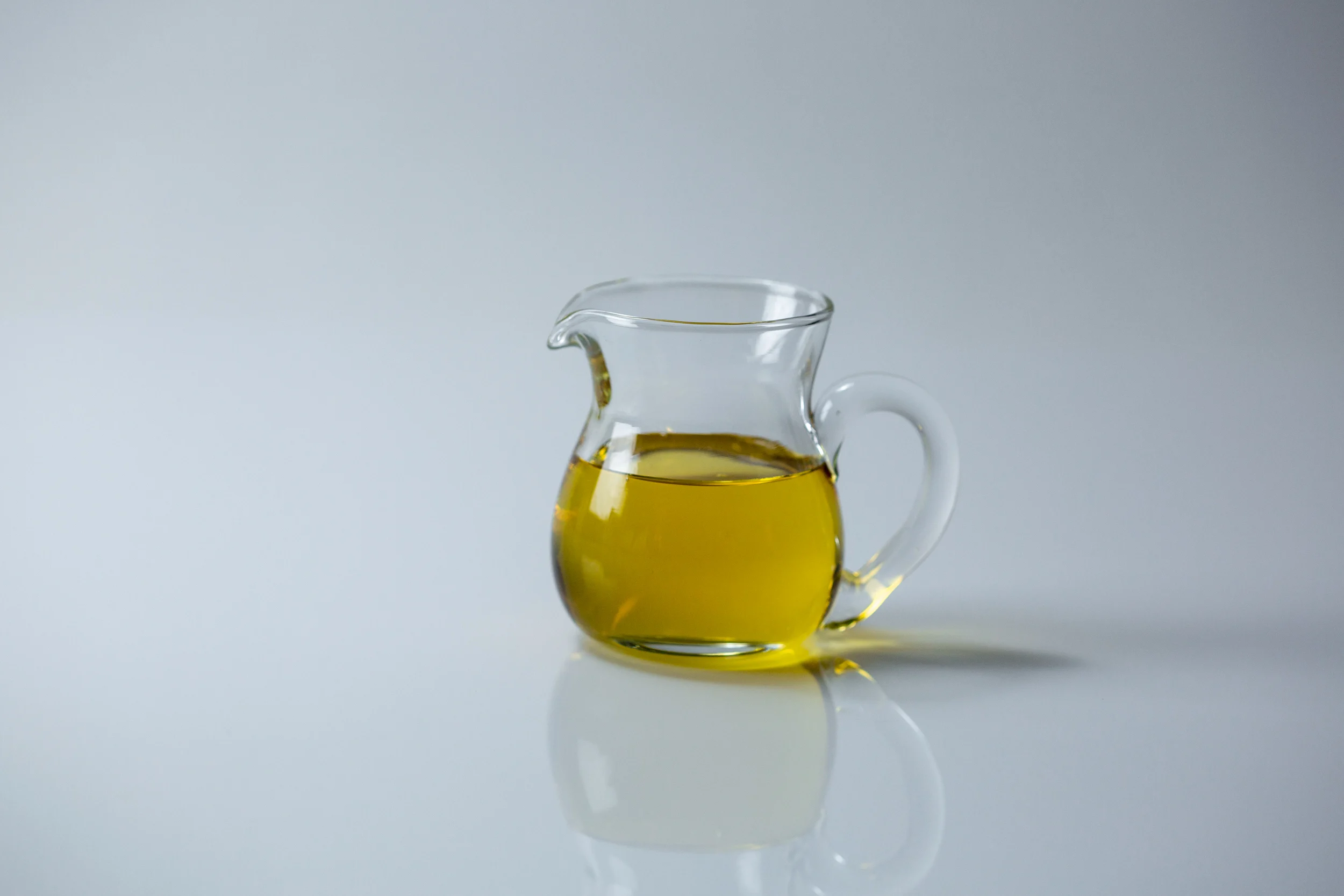
When can babies have agave syrup?
It is safe to add agave syrup to food as soon as baby is ready to start solids, which is generally around 6 months of age. That said, it can be beneficial to wait until the child is older to regularly offer foods that are high in sugar, like agave syrup, to help support baby’s oral health and ensure that baby has space in the belly to explore a variety of nourishing foods.[1] [2] [3]
Agave syrup (often called agave nectar) is a sweetener made from the sap of the agave plant, which has been cultivated in Mexico and parts of Central America for thousands of years. Indigenous communities have long used agave for food, fiber, and fermented beverages. Today, agave syrup is popular worldwide as a liquid sweetener in baking, beverages, and sauces because of its neutral flavor and the way it easily absorbs into batters and other dishes.
How do you serve agave syrup to babies?
Cada bebé se desarrolla a su propio ritmo, y las sugerencias que ofrecemos sobre cómo cortar o preparar determinados alimentos son generalizaciones para una amplia audiencia.
6 months old +:
Offering tastes here and there of an age-appropriate baked good, dessert, sauce, or another shared dish containing agave syrup is not a cause for concern at this age. Aim to hold off on regularly offering food with agave syrup and other forms of added sugar to help minimize the risk of cavities as baby’s teeth erupt.
Instead of measuring and tracking baby’s consumption of sugary foods, aim for gentle balance: reduce sugar when you can, enjoy sugar when you can’t, and allow baby to explore and get comfortable with a variety of food by offering different colors, flavors, and textures, including sweet foods.
12 months old +:
Serve family meals that contain agave syrup as desired, including drizzling a bit onto pancakes, oatmeal, or yogurt, or mixing into foods like sauces or quick bread batters. If you want to offer desserts with agave syrup in them, aim to not make them a big deal. As long as any choking hazards are modified to reduce the risk, it is fine to share some dessert with toddlers, but try to avoid offering sweets as a “reward” for eating other food, or withholding sweets as “punishment” for undesirable behaviors.
Videos
Is agave syrup a choking hazard for babies?
No. Agave presents a low risk when safely prepared for a child’s age and developmental ability, though, in theory, an individual could choke on any food. To reduce the risk, prepare and serve agave in an age-appropriate way as described in How to Serve. As always, make sure to create a safe eating environment and stay within reach of baby during meals.
Learn the signs of choking and more about choking first aid in our free guides, Infant Rescue and Toddler Rescue.
Is agave a common allergen?
Is agave syrup safe for babies?
Yes. Agave syrup is safe for babies as soon as they are developmentally ready for solids. That said, it can be beneficial to wait until the child is older to regularly offer foods that are high in sugar, like agave syrup, to help support baby’s oral health and ensure that baby has space in the belly to explore a variety of nourishing foods.[1] [2] [3] While honey is well-known for its association with a risk of infant botulism, a neurological condition caused by toxins made by Clostridia botulinum spores, this is not a known common risk in agave syrup.[6] [7]
Is agave syrup better than honey?
For babies, yes. Unlike honey, agave syrup does not pose a known risk of infant botulism, which makes it a safer option for sharing with babies under 12 months of age. For toddlers 12 months and up, both agave syrup and honey are forms of added sugar and should be used sparingly in the diet, but also contain their own unique nutritional benefits.
Can babies have agave syrup in medicine?
Yes, agave syrup is considered a safe ingredient in age-appropriate and prescription medications for babies. Unlike honey, agave syrup does not carry a known risk of infant botulism. As with any medication, only offer on the recommendation from baby's pediatric healthcare provider and follow dosing instructions carefully.
Material de referencia
Start solids with confidence
- Guided Introduction to 100+ Foods
- Smart Tools to Simplify Mealtime
- Food Allergen 101
- 300+ Meal Ideas
- First Foods® Database
Start solids with confidence
- Guided Introduction to 100+ Foods
- Smart Tools to Simplify Mealtime
- Food Allergen 101
- 300+ Meal Ideas
- First Foods® Database
Consejos de expertos directo en tu correo
Suscríbete para recibir consejos semanales, recetas y más.