
Adobo Seasoning
Hierba/Especia
- Edad sugerida
- 6 meses
- Rico en hierro
- No
- Alérgeno común
- No
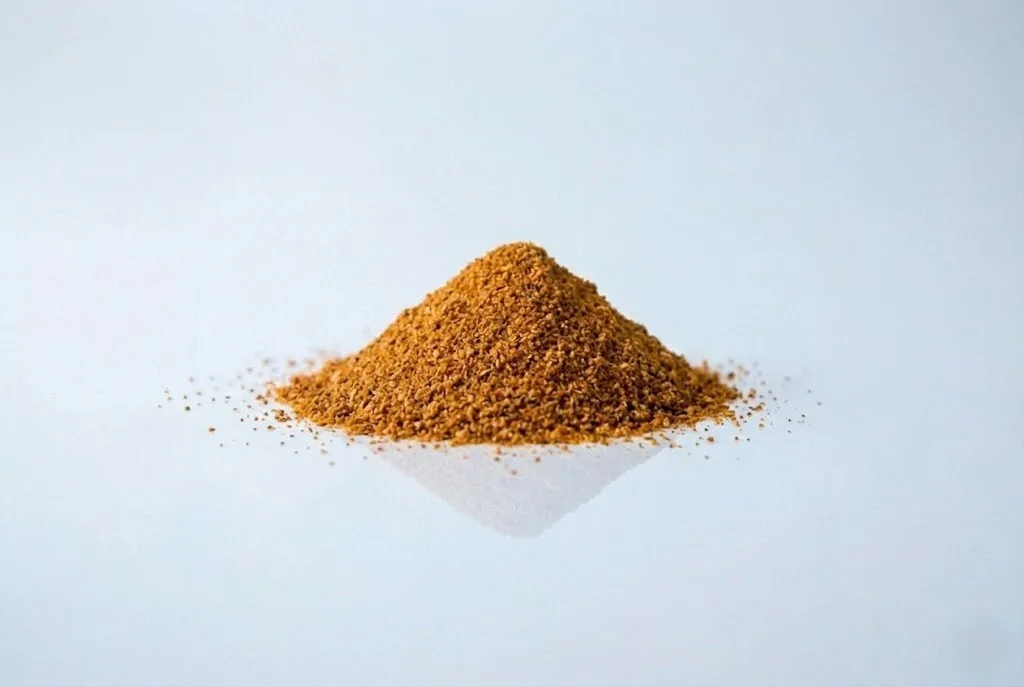
When can babies have adobo seasoning?
Adobo seasoning may be introduced as soon as baby is ready to start solids, which is generally around 6 months of age. While adobo seasoning can be high in sodium, a taste here and there of a dish containing adobo seasoning is fine as part of a varied diet.
Adobo seasoning is a dry spice blend foundational to everyday cooking in Puerto Rico, the Dominican Republic, Cuba, and Latine communities throughout the United States. A typical blend includes garlic powder, onion powder, oregano, black pepper, cumin, and salt. It is a popular spice blend in countless dishes, used in rice, beans, meat, soups, and many more.
How do you serve adobo seasoning to babies?
Cada bebé se desarrolla a su propio ritmo, y las sugerencias que ofrecemos sobre cómo cortar o preparar determinados alimentos son generalizaciones para una amplia audiencia.
6 months old +:
If you happen to have a dish that contains adobo seasoning already prepared for yourself and you’d like to share a taste here and there with baby, feel free to do so. While adobo seasoning is often high in sodium, sharing a small amount of an age-appropriate dish flavored with adobo seasoning like guacamole, a chicken drumstick, or mashed beans is completely fine.
12 months old +:
Use adobo seasoning as you normally would in family meals, as a dry rub for meats, as a seasoning in sauces and stews, and as desired. Adobo seasoning can be high in sodium, so if you cook with it frequently, consider using a smaller amount than the recipe calls for or making your own version at home with low or no added salt.
Is adobo seasoning a choking hazard for babies?
No. Adobo seasoning is a fine powder that dissolves into food during cooking and presents a low risk when safely prepared for a child’s age and developmental ability, though, in theory, an individual could choke on any food. To reduce the risk, prepare and serve adobo seasoning in an age-appropriate way as described in How to Serve. As always, create a safe eating environment and stay within reach of baby during meals.
Learn the signs of choking and more about choking first aid in our free guides, Infant Rescue and Toddler Rescue.
Does adobo seasoning contain common allergens?
It depends. Most adobo seasonings are made from garlic powder, onion powder, oregano, cumin, black pepper, and salt, none of which are common allergens. However, allergies to herbs and spices are possible, and some commercial blends contain other ingredients that may be common allergens. For example, soy and wheat can appear in some seasoning blends as anti-caking agents or flavor enhancers. Check the ingredient list on any product before using it in a shared meal and make sure any common allergens in the food have been safely introduced before serving.
Note that foods containing adobo seasoning may cause a harmless rash around the mouth while baby eats or may cause or worsen diaper rash. Try applying a thin layer of barrier cream or ointment—such as pure petroleum jelly or a plant-based oil/wax balm—to baby’s face and diaper area to help prevent contact rashes.
Is adobo seasoning safe for babies?
Yes. Adobo seasoning is a spice blend typically made from garlic, oregano, cumin, black pepper, and salt, among other ingredients, and is safe to share with babies in meals starting at 6 months of age. These herbs and spices offer a variety of phytonutrients, antioxidants, and micronutrients to support baby’s health and metabolism.
While adobo seasoning can be very high in sodium, the amount of sodium that babies eat tends to be low as they learn the skills to feed themselves. Some sodium is important for supporting baby’s electrolyte balance, hydration, and movement. While many health organizations recommend holding or reducing salt in food shared with baby, recent reviews of literature suggest that this may not be necessary.[1] Furthermore, sharing family meals, even if they contain salt, has its benefits: baby has opportunities to explore a wider variety of food, share their family food culture, and practice eating a variety of textures.[2] [3] [4] [1]
If you would like to reduce sodium levels in a family meal, consider:
Using a low-sodium adobo seasoning
Using less seasoning than the recipe suggests
Adding adobo seasoning only to the adults’ portions of the meal, not to the whole meal as it cooks
Many popular adobo seasoning brands also contain monosodium glutamate (MSG), which contrary to popular belief, is safe for babies. MSG is a form of salt that is lower in sodium than table salt and occurs naturally in many foods babies already eat, including breast milk, cheese, tomatoes, and meat. It has been extensively studied and classified as safe by the U.S. Food and Drug Administration. Of course, you can choose an MSG-free brand if you’d like or make your own seasoning at home.
Is adobo seasoning the same as chipotle in adobo?
No. Chipotle in adobo (chipotles en adobo) is a canned product consisting of dried smoked jalapeños in a tomato-based sauce, not a spice blend. Chipotle in adobo is also safe for babies from 6 months when used in small amounts as a flavoring, though it is spicier than adobo seasoning.
Is the MSG in adobo seasoning safe for babies?
Yes. MSG (monosodium glutamate) is a flavor enhancer that occurs naturally in many foods babies already eat, such as breast milk, cheese, tomatoes, mushrooms, and meat. It has been extensively studied and is classified as safe by the U.S. FDA. It’s generally not necessary to avoid adobo seasoning that contains MSG, and there’s no evidence that MSG is harmful to babies in ordinary culinary amounts.
Material de referencia
Start solids with confidence
- Guided Introduction to 100+ Foods
- Smart Tools to Simplify Mealtime
- Food Allergen 101
- 300+ Meal Ideas
- First Foods® Database

Start solids with confidence
- Guided Introduction to 100+ Foods
- Smart Tools to Simplify Mealtime
- Food Allergen 101
- 300+ Meal Ideas
- First Foods® Database
Consejos de expertos directo en tu correo
Suscríbete para recibir consejos semanales, recetas y más.